


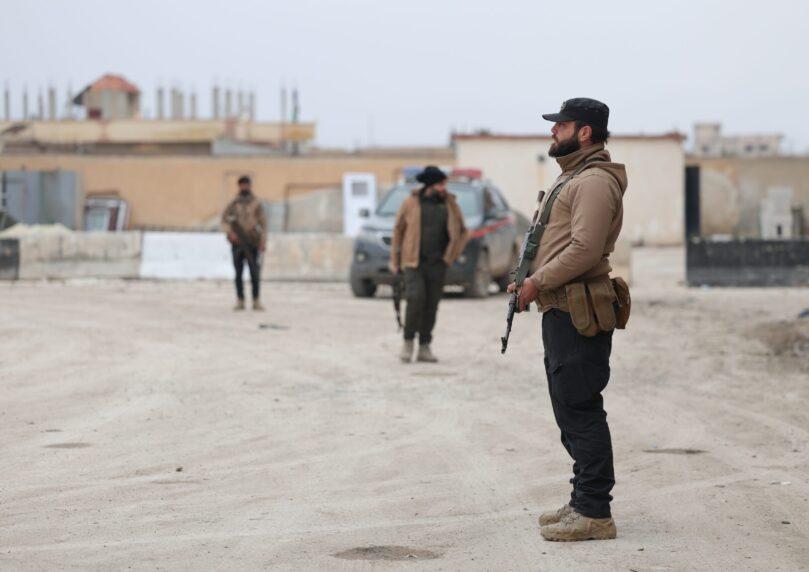

Syria’s Foreign Ministry announced that ten Syrian civilians were killed in a Jordanian military strike in the country’s south this week. In response, Syria closed the Nassib border crossing—the main passage on the highway connecting Amman to Damascus—an unusual move signaling a serious deterioration in relations.
Syria has closed the Nassib border crossing with Jordan, suspending passenger and commercial traffic in both directions due to developments on the ground in Daraa province, the Syrian General Authority for Border Crossings and Customs says in a statement. https://t.co/8aBCwPGpwV
— Al Arabiya English (@AlArabiya_Eng) October 27, 2026
According to the Jordanian military, its fighter jets struck several terrorist organization sites in southern Syria, saying the operation was retaliation for the nine victims of an attack on a church in eastern Jordan. The military added that those behind the church attack are linked to the terrorist groups targeted in the strikes. Despite Syria’s objections and the border closure, Jordan’s military emphasized that it “will stand guard against anyone attempting to harm the security of our citizens.”
Strengthening Ties with Iraq
As relations with Jordan deteriorate, Syria has begun strengthening ties with another neighbor—Iraq. Syrian President Ahmed al-Sharaa and Iraqi Prime Minister Ali al-Zaidi met last night in Damascus, in the first visit by an Iraqi prime minister to the country since Bashar al-Assad fell, and discussed security and economic relations between the two nations.
السيد الرئيس أحمد الشرع يستقبل رئيس مجلس الوزراء في جمهورية العراق السيد علي الزيدي في مطار دمشق الدولي.
#رئاسة_الجمهورية_العربية_السورية https://t.co/Ml6zt84pYa
— رئاسة الجمهورية العربية السورية (@SyPresidency) October 28, 2026
The two countries announced plans to restart the oil pipeline from northern Iraq to Syria’s Mediterranean coast, which could serve as a strategic alternative to transporting oil through the Strait of Hormuz and on to Europe.