


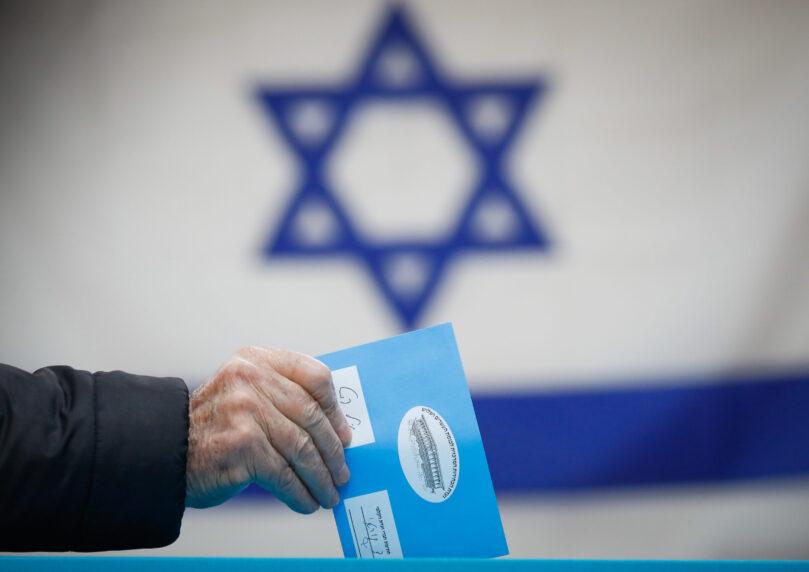

Israel’s upcoming election is drawing attention not just at home, but across the Middle East—from terror groups to regional governments. Hamas and Hezbollah, Turkey and Jordan: various actors are following developments in Israel and weighing their potential impact on the entire region.


 3+
Khalil al-Hayya, head of Hamas’s political bureau, addressed Israel’s election in a recent interview with Qatar’s Al-Araby TV, claiming that from the ‘Palestinian’ perspective, there’s no difference between Israel’s various parties.
“Whether one comes or another comes. Whether this party comes or another comes. The ‘Palestinian’ people have suffered from all Israeli parties, throughout history and for decades,” al-Hayya said.
 3+
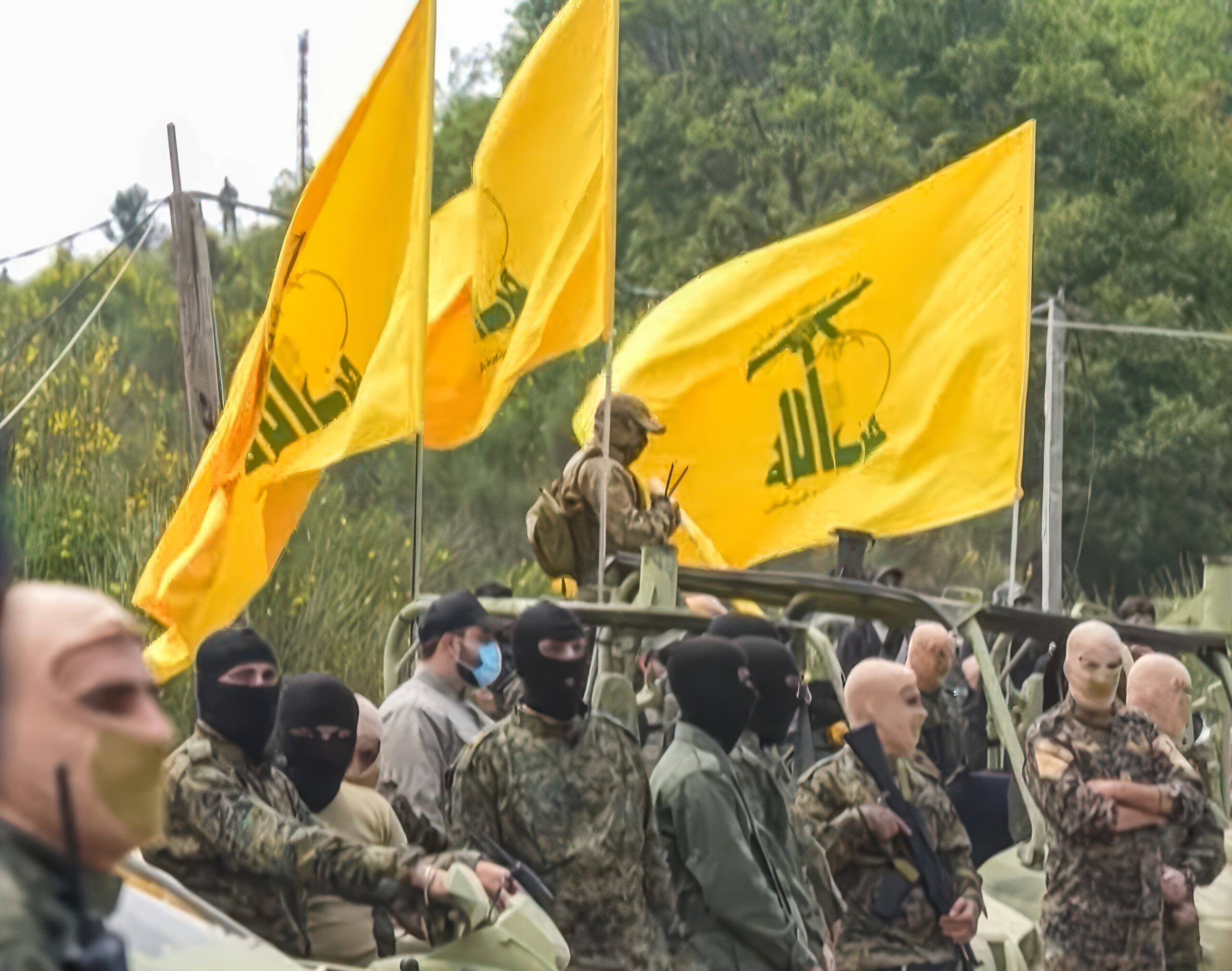
Hezbollah is also focused on Israel’s election. Raad Barou, a member of parliament representing the organization, claimed Hezbollah has refrained from attacking Israel to avoid triggering a cancellation of the election and keeping Prime Minister Benjamin Netanyahu in power.
But it’s not just terror groups weighing in. Regional governments are also framing Israel’s offensive operations as Netanyahu’s attempt to boost his public standing ahead of the vote.
 3+
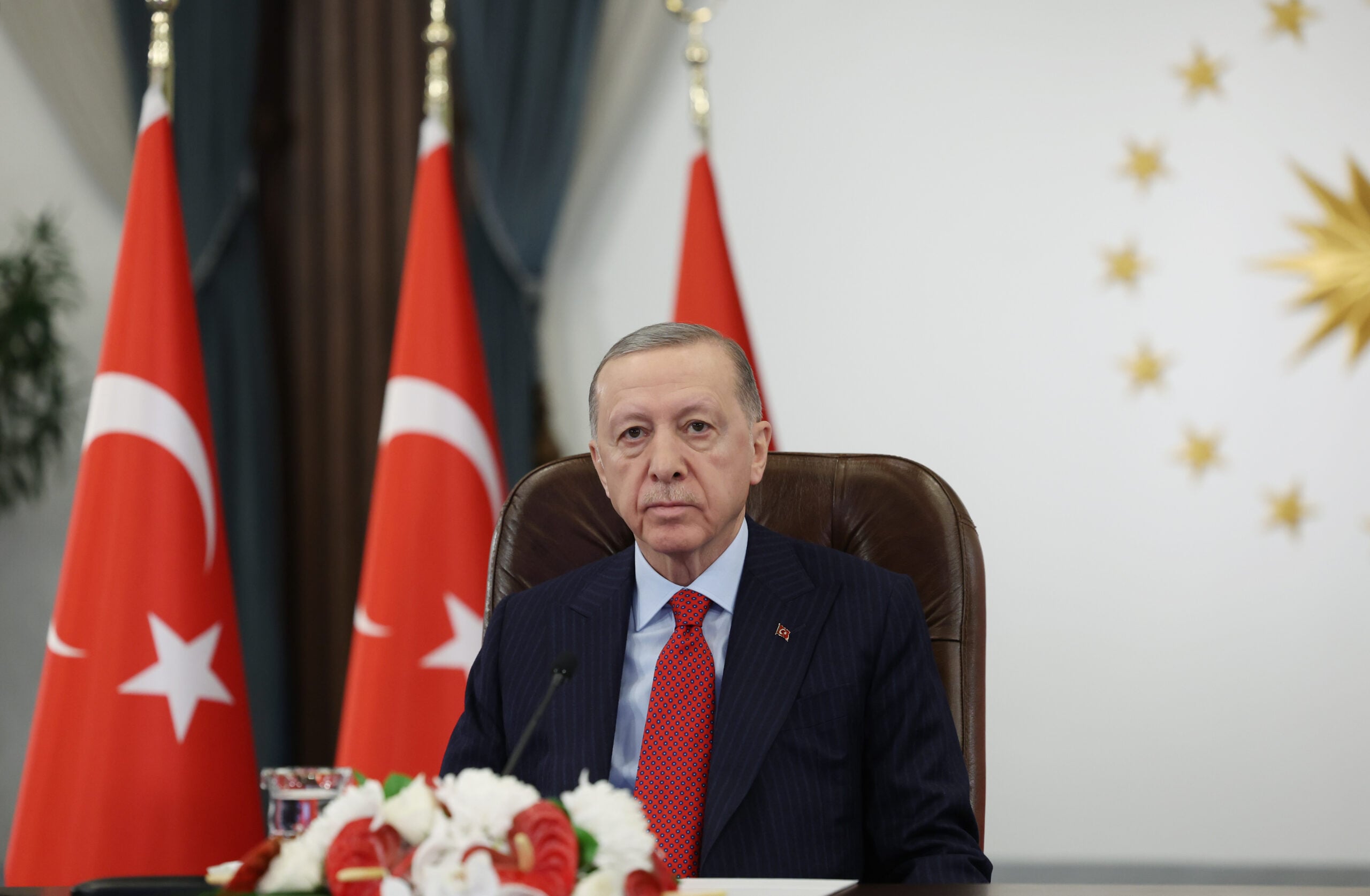
After Netanyahu criticized Turkish President Recep Tayyip Erdoğan in August, Erdoğan’s spokesman issued a statement attacking Netanyahu: “The cheap politics of Netanyahu and his associates are also designed to give him an advantage in the elections.”
Turkish Foreign Minister Hakan Fidan also addressed the issue in an interview, accusing Netanyahu of trying to present himself as a hero ahead of the vote.
“Netanyahu, on his way to the elections, is looking for an enemy to present himself as a hero. Who is the most respected, strongest, and most trusted in the region and the world? Our president,” Fidan said.
 3+
Jordan’s King Abdullah II joined the chorus, issuing an official statement warning of “the danger of escalation and the expansion of conflict in the ‘West Bank’ and Gaza, against the backdrop of the approaching election date in Israel.”
While Israeli voters will ultimately decide who forms the next government, the entire Middle East is already tracking the political developments and trying to assess what Israel—and the region as a whole—will look like the day after the election.