


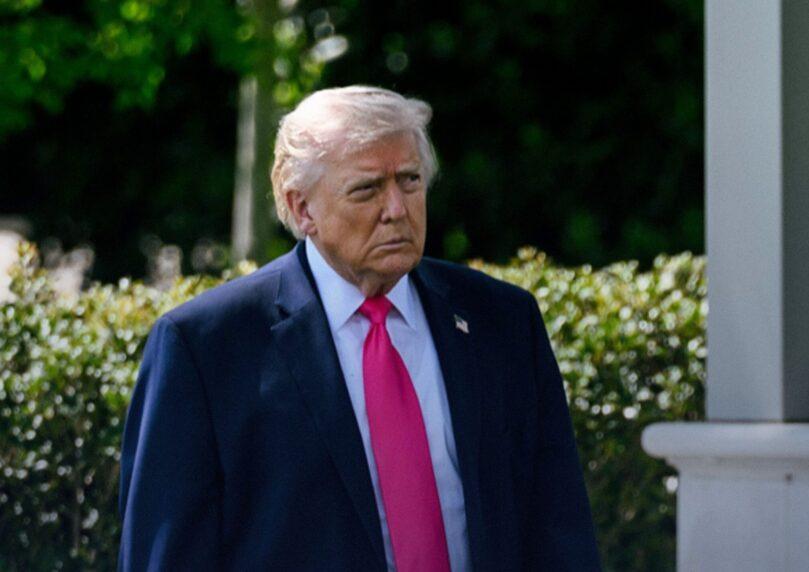

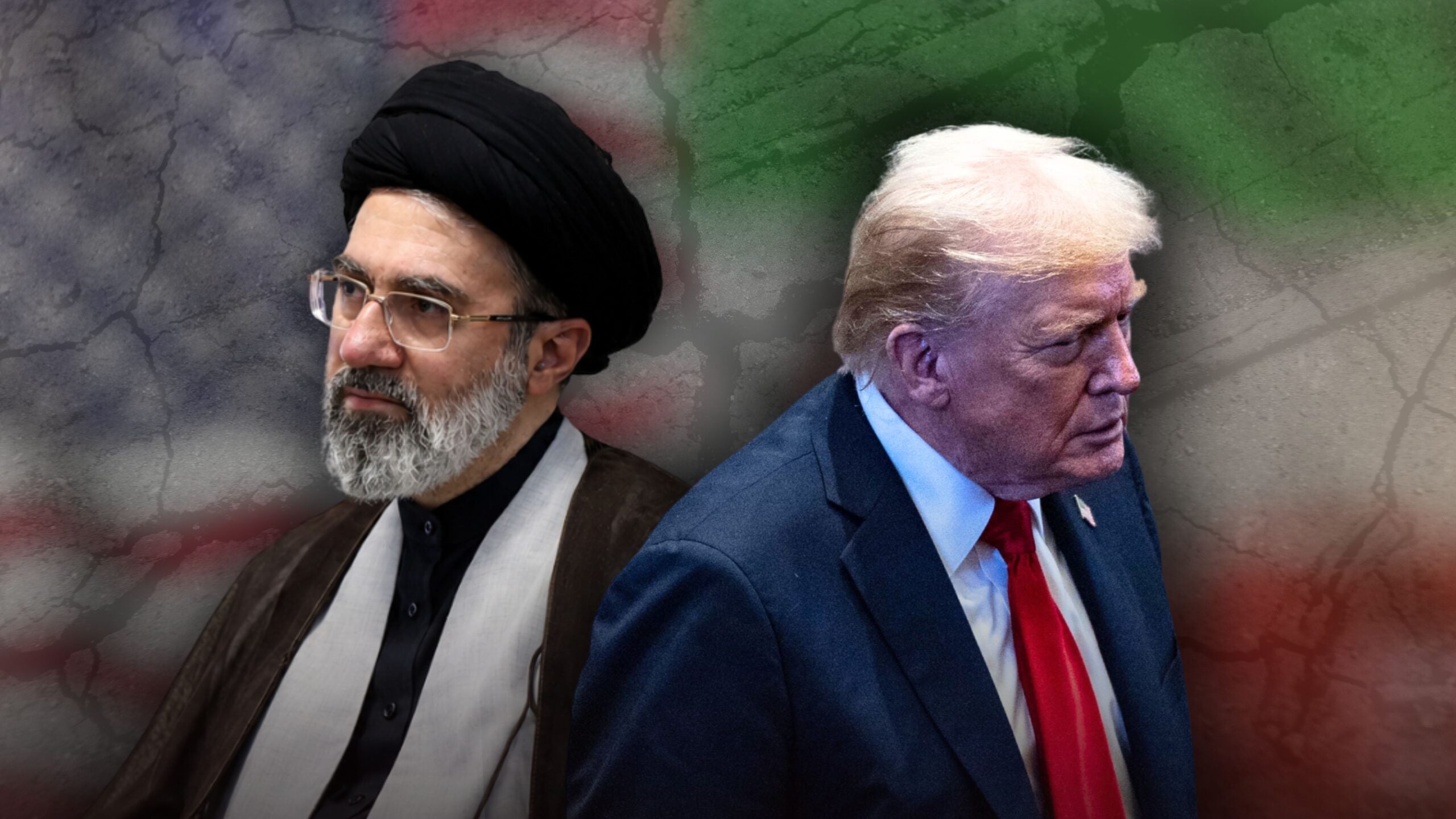
President Donald Trump is keeping up heavy economic pressure on Iran, refusing for now to allow the release of billions of dollars in frozen Iranian assets. Sources familiar with the matter told Channel 14 that over the past two weeks, Pakistan and Qatar approached the American president twice as part of contacts with Tehran, asking him to allow the release of about $12 billion to advance significant de-escalation in the Middle East.

 1+
1+But the answer Trump gave was unequivocal: no. As far as he’s concerned, as long as the economic pressure on Iran continues to work and the regime in Tehran is struggling with foreign currency shortages and liquidity problems, there’s no reason to ease up and allow the funds to be released.
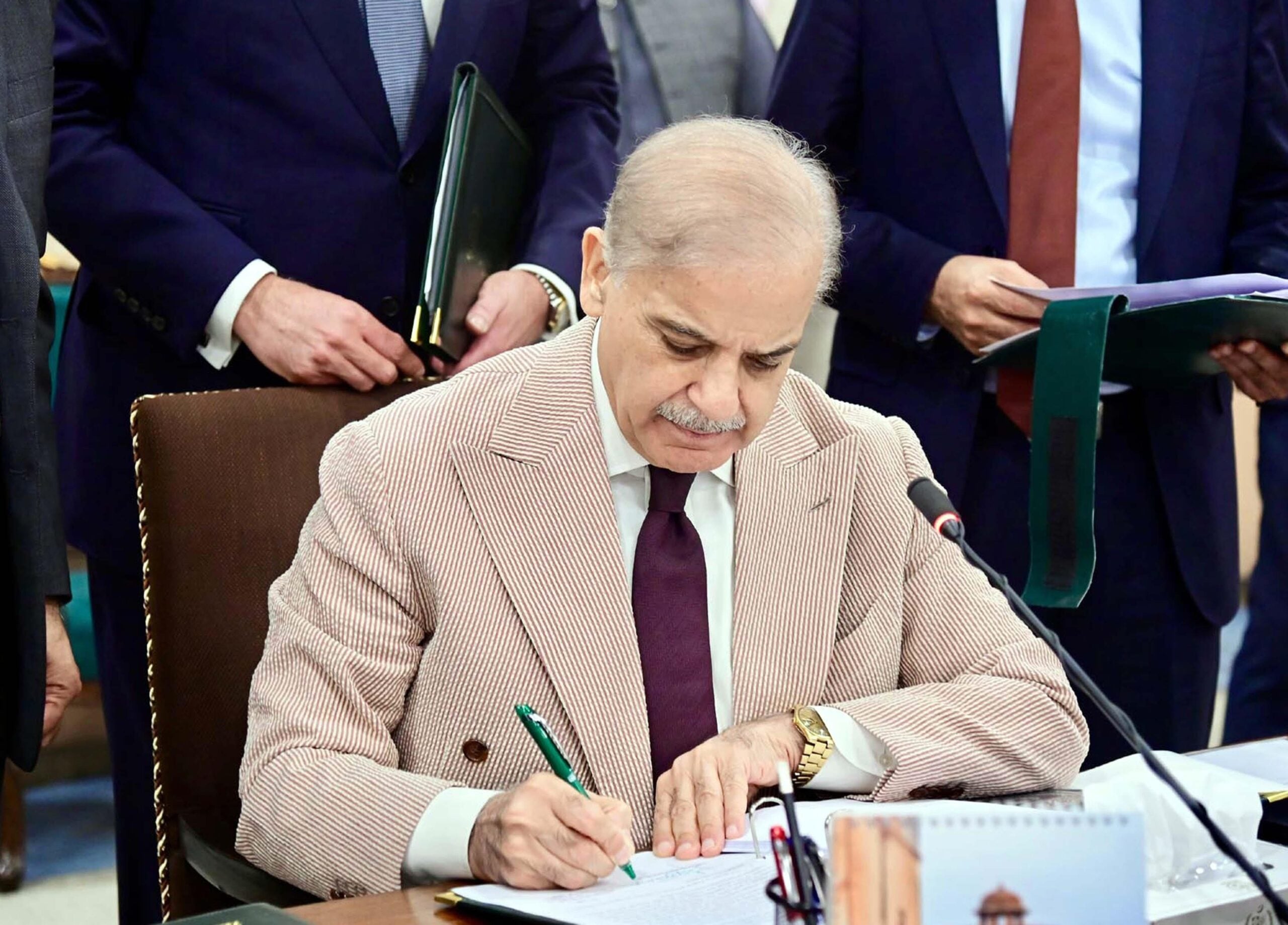
The American refusal comes as Iran tries to project that the pressure isn’t affecting the regime’s decision-making, but Washington assesses that the economic situation is actually one of the main pressure levers that can be applied on Tehran at this stage. At the same time, anger at Pakistan is growing in the United States. Republican Party officials are criticizing Islamabad after Washington expected it, as an ally, to help increase pressure on Iran. In practice, trade between Iran and Pakistan continues to grow, contrary to American expectations.
 1+
1+Channel 14 has also learned that among Republican officials, voices are already being heard calling for examining punitive measures against Pakistan as well, if it continues to deepen its economic ties with Tehran while simultaneously serving as a mediator.
In the background is also a secret agreement between Iran and Pakistan, which we previously reported on, according to which if Islamabad succeeds in helping Tehran gain access to the frozen funds—it will itself receive a percentage of the amount released. This creates a situation where Pakistan presents itself as a mediator between the sides, but simultaneously has a direct economic interest in the success of efforts to bring about the release of Iranian money.