


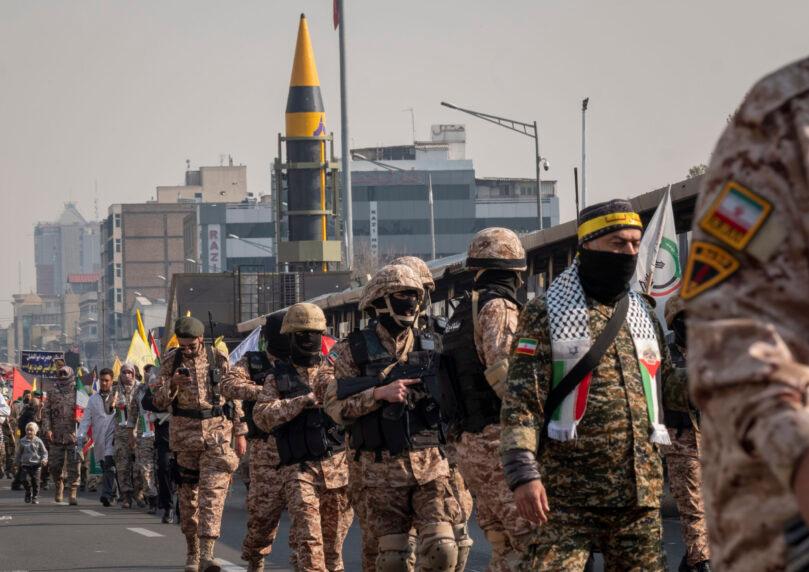

A fierce struggle over Iran’s next move is intensifying at the highest levels of the regime, with hardliners inside the Islamic Revolutionary Guard Corps (IRGC) increasingly arguing that Tehran should strike before U.S. President Donald Trump decides when the next war begins.
One particularly revealing message emerging from discussions within the Revolutionary Guards lays out the argument for launching an attack first: “We will not compromise on our nuclear program or the Strait of Hormuz, so why wait? Better to attack now, before Trump attacks us.”

 2+
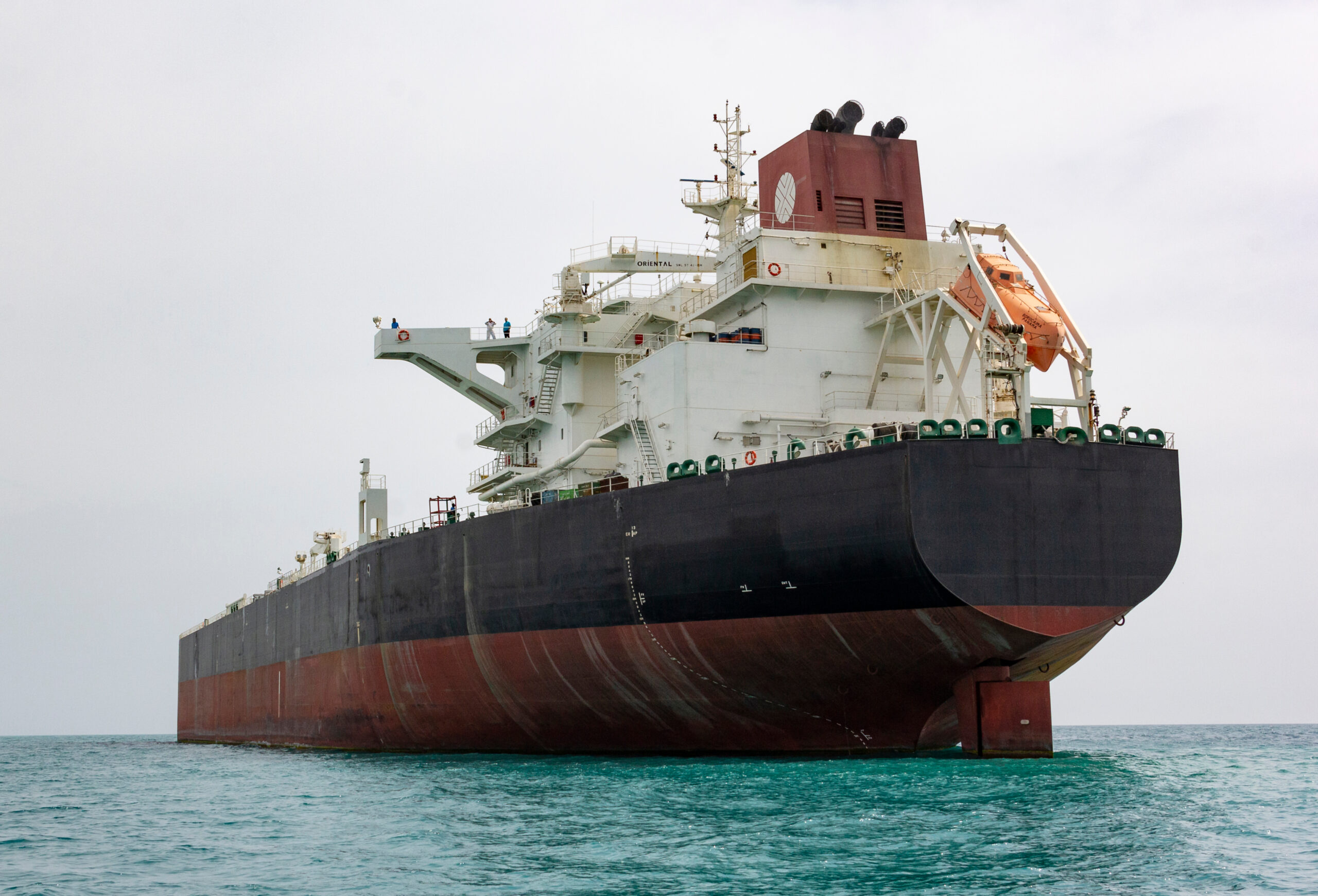
But for the hawkish camp, war is also an economic tool. Security sources add: “We need to push oil prices to $130 to $150 per barrel. Let the whole world see how much damage we can cause.” Their goal is to trigger a spike in energy prices, especially heading into Europe’s winter, and create international pressure on Trump to return to negotiations.
But Iran’s civilian government is painting a completely different picture. The political officials understand the dire situation Iran has reached and want to improve it: “Our people are starving. There’s no money for anything. It doesn’t matter what narrative we sell in the media or what image we present—the reality is we’re completely impoverished.” From their perspective, instead of opening another front, Iran should activate mediators: “We must pressure Turkey, Qatar, or Pakistan to end the embargo and allow us to sell our oil.”
 2+
That’s the divide in Tehran right now: The Guards want to preempt the war and try to dictate the price, while the government warns that Iran is already struggling to maintain the current situation. But as the voices for war and attack grow louder, and given the vast distance between the U.S. and Iran, the question arises: who will be the target of the opening blow the Revolutionary Guards are planning?
As we previously reported, a strike against Israel is being considered, with Israel’s elections also factoring into the calculation. That’s because some in Tehran estimate that a political change in Israel might reduce pressure on Iran and possibly reopen a path to an agreement. However, strikes on energy infrastructure in the UAE, Kuwait, and Iraq are also being weighed, aimed at shaking up the global oil market—as has already happened several times since the ceasefire was officially declared in April.
 2+
At the same time, pressure is also being applied to the Houthis to take action. According to our information, the Revolutionary Guards are saying they’ve invested in the organization for years, and now expect it to act when required—whether in continued strikes against Saudi Arabia or in an attack against Israel. So the question in Tehran is no longer just whether there will be a war. The question is who will start it, against whom, and whether Iran can even afford the price.