


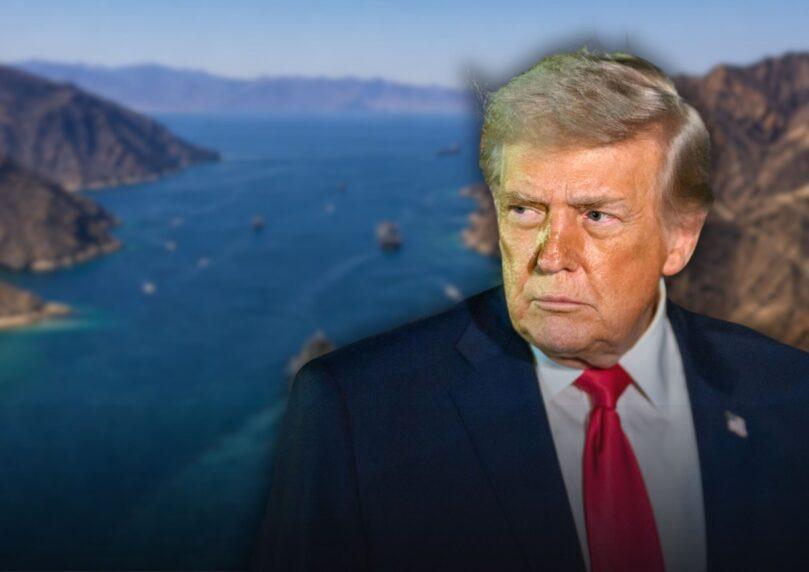

The U.S. military scored a major win this week in its effort to reopen the Strait of Hormuz to oil tanker traffic. On Tuesday, American forces escorted 40 commercial vessels carrying roughly 18 million barrels of oil through the strait—close to the pre-war daily average of 20 million barrels, according to a CNN report.

 2+
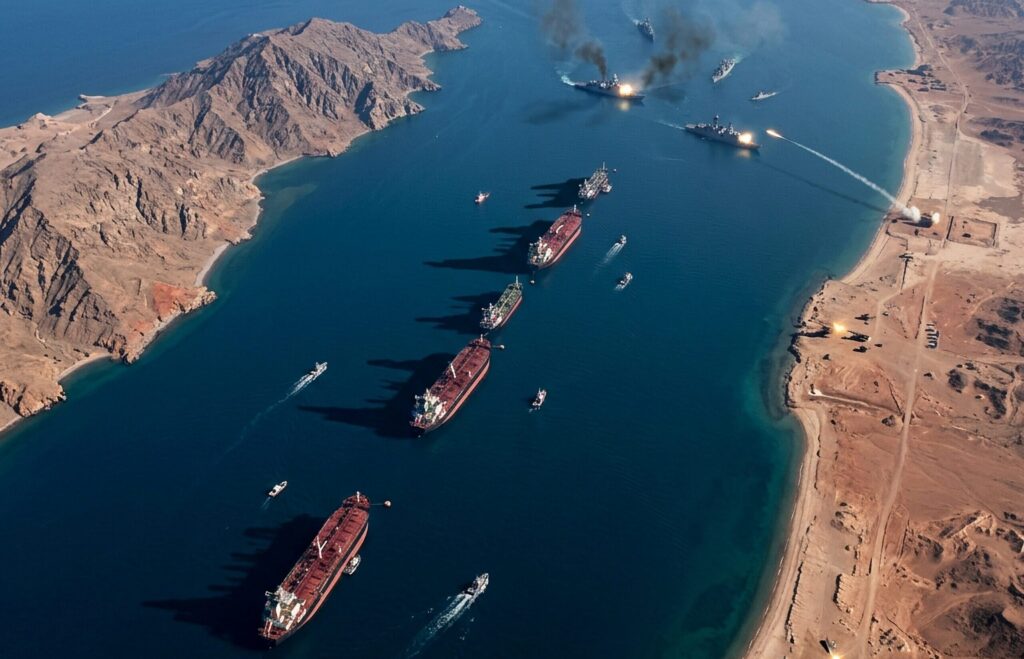
2+The American operation ran parallel to a sweeping round of strikes against Iranian targets around the strait. U.S. forces hit nearly 60 military sites, including radar systems, air defense installations, naval capabilities, mine-laying equipment, and communications facilities, according to the report. At the same time, American troops escorted the commercial ships and repelled drone attacks.
The military also intercepted cruise missiles fired at oil export vessels—the first such interception since the campaign began in the region. U.S. officials said the operation reflects a shift in Washington’s strategy, now focused on protecting the shipping lane, escorting vessels, and systematically degrading Iranian capabilities along the strait.
 2+
2+According to U.S. sources, the goal is to reduce Iran’s ability to use the Strait of Hormuz as a tool of economic and security pressure. The administration believes recent strikes have damaged Iran’s ability to track ships and direct attacks against them, but officials stress there’s no expectation of a quick resolution.
President Donald Trump said the strikes were designed in part to hit Iranian radar systems, and claimed the U.S. has proven it can strike targets along the Iranian coast while simultaneously protecting ships in the strait. Treasury Secretary Scott Bessent said more than 17 million barrels of oil passed through the strait on Monday—a figure he called a record since the war began. “This is not Iranian control of the strait,” he said.
Still, the picture remains complicated. Oil export tracking site Tankertracker pushed back on the American reports, claiming that over the past week an average of just 3.8 million barrels per day exited the strait—compared to 9.8 million barrels per day during the period when the memorandum of understanding was in effect. That means even if there was a tactical success, the energy industry hasn’t returned to full normal operations.
Meanwhile, shipping companies are still reluctant to send tankers through the strait, even under American escort. Insurance costs remain high, and the price to charter a tanker for passage through the strait has reportedly jumped to over $500,000 per day. The main concern is potential damage to liquefied natural gas tankers, which could cause especially severe harm.
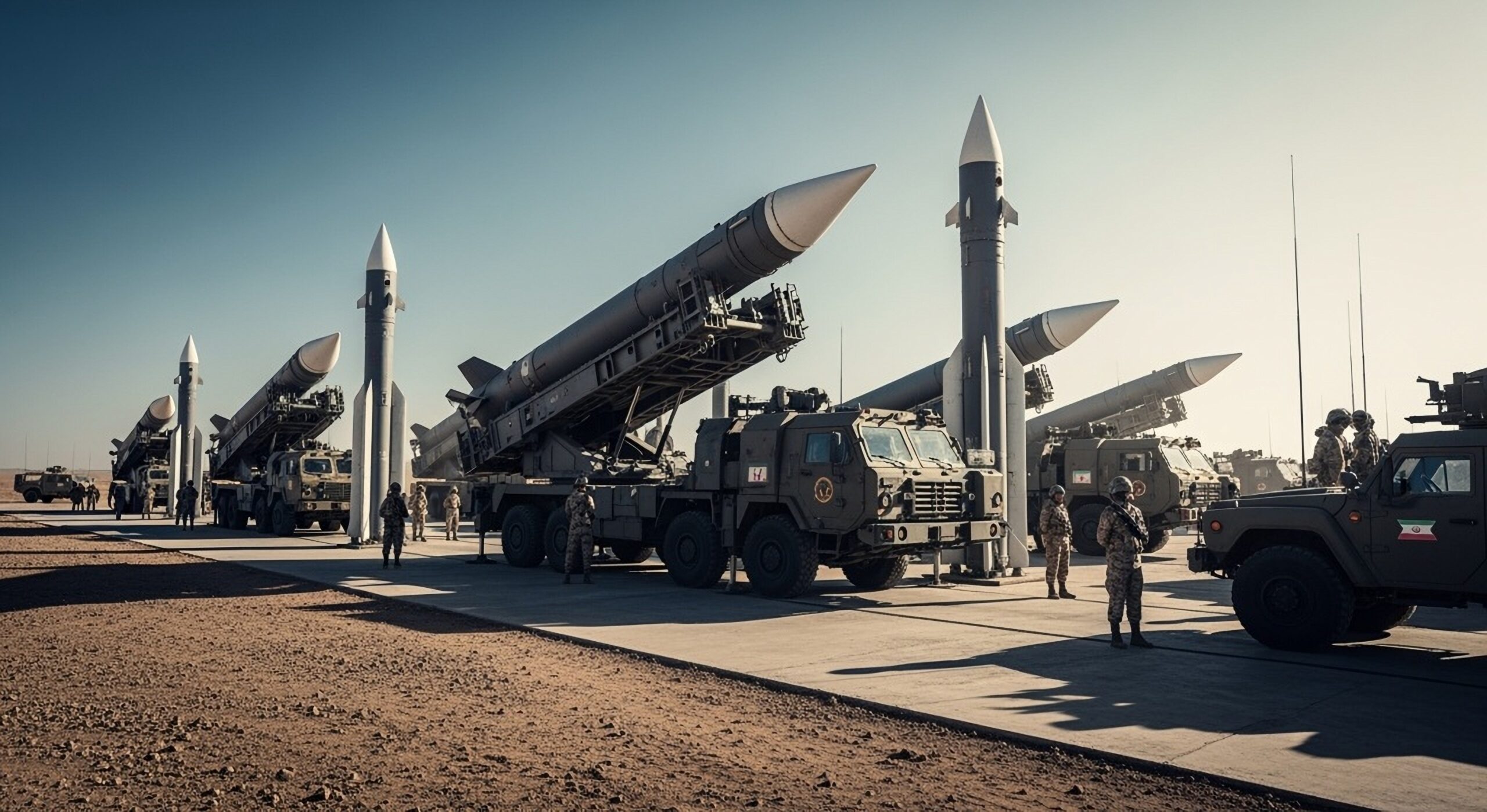
Alongside the American achievement, Iran continues to threaten shipping in the region. Over the past week, several ships were reportedly hit in the strait, and two Filipino crew members were killed in an attack on a Saudi vessel. U.S. officials estimate Tehran still retains the ability to disrupt maritime traffic, even if some of its capabilities were damaged in recent strikes.
 2+
2+That’s why Washington is preparing for prolonged activity in the area. American officials describe the approach as a “mowing the lawn” policy—repeated strikes against Iranian capabilities that keep getting rebuilt. At the same time, the U.S. military is planning to expand the demined corridor to allow ships to move more freely and gradually increase the volume of oil passing through the strait.
In the background, the U.S. is also detecting a shift in regional allies’ positions. An earlier attempt to launch a similar escort operation, called “Project Sentinel,” was halted after it surprised key Gulf states. Now, following escalating Houthi attacks on Saudi Arabia and the continued Iranian threat to shipping, American officials claim regional support for the operation is broader.
In the end, the Hormuz operation marks an important achievement for the U.S., but not a decisive one. Oil is flowing again in larger quantities; the Iranian threat has taken a hit—but shipping companies, energy prices, and continued attacks in the strait show the battle over the world’s most critical oil route is far from over.