


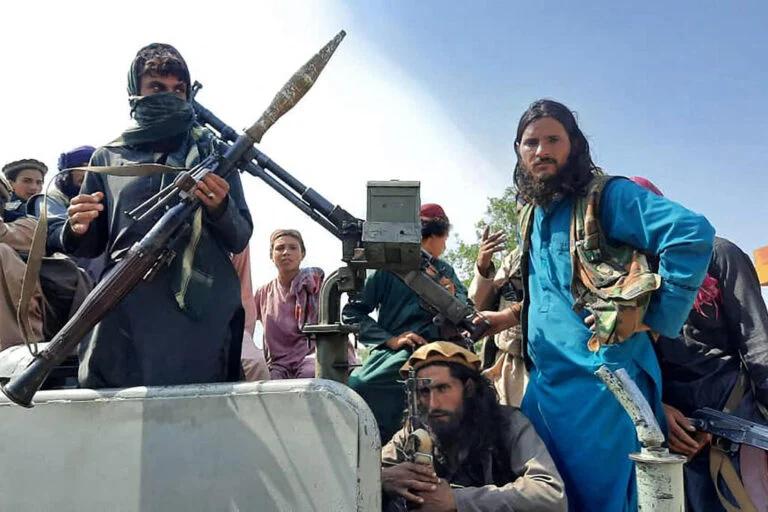

In recent days, political and media figures in Iran have begun warning the Taliban government about the consequences Afghanistan’s instability could have for regional security. One Iranian newspaper published an article titled “The Price of Five Years of Trust in the Taliban,” arguing that Iran and Russia made a mistake in recent years by treating the Taliban government as a stabilizing force that could be trusted.

 2+
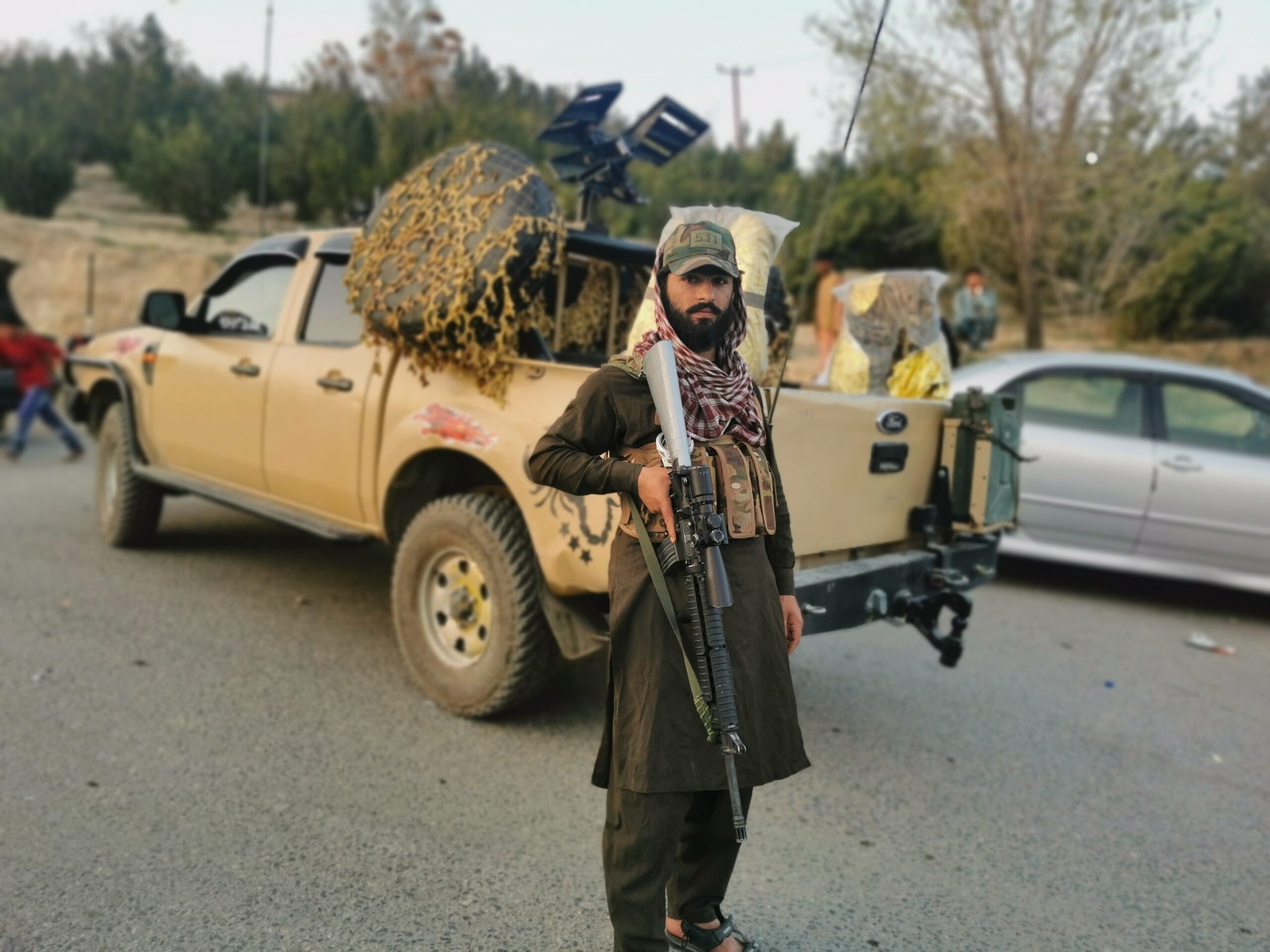
2+The article did not shy away from self-criticism, arguing that support from Iran and Russia, which maintained diplomatic relations with the Taliban over the past five years, weakened Afghan forces by reducing fears of confrontation and allowing their operational readiness to deteriorate. It further argued that the situation could instead have been exploited to establish a political and security balance against Taliban rule and even recruit Afghan forces to serve Iranian interests—as Iran has previously done through the IRGC’s Fatemiyoun unit.
The newspaper ultimately warned that Taliban policies have left Iran’s eastern neighbor unstable and lacking offensive capabilities—a situation Tehran fears could be exploited by its greatest adversary, the United States. “An unstable Afghanistan serves the interests of the United States,” the article warned. “Washington may try to open a new front of pressure against its rivals [Iran and Russia] through Afghan territory.”
 2+
2+A U.S. ‘Reoccupation’ of Afghanistan
Iranian politician Hossein Kanaani added that the United States could exploit Afghanistan’s strategic location to curb China’s westward expansion and create obstacles in relations between China and Iran. He also raised the possibility that terrorist organizations in Afghanistan could be reorganized and used as instruments of pressure against countries across Central Asia.
Those warnings did not emerge in a vacuum. They followed a series of statements by the Taliban foreign minister in recent weeks expressing significant openness toward the United States. In an August interview with The New York Times, the minister called on Washington to reopen its embassy in Kabul and restore its diplomatic presence, while saying American companies could invest in Afghanistan’s mineral resources, dams and roads.
 2+
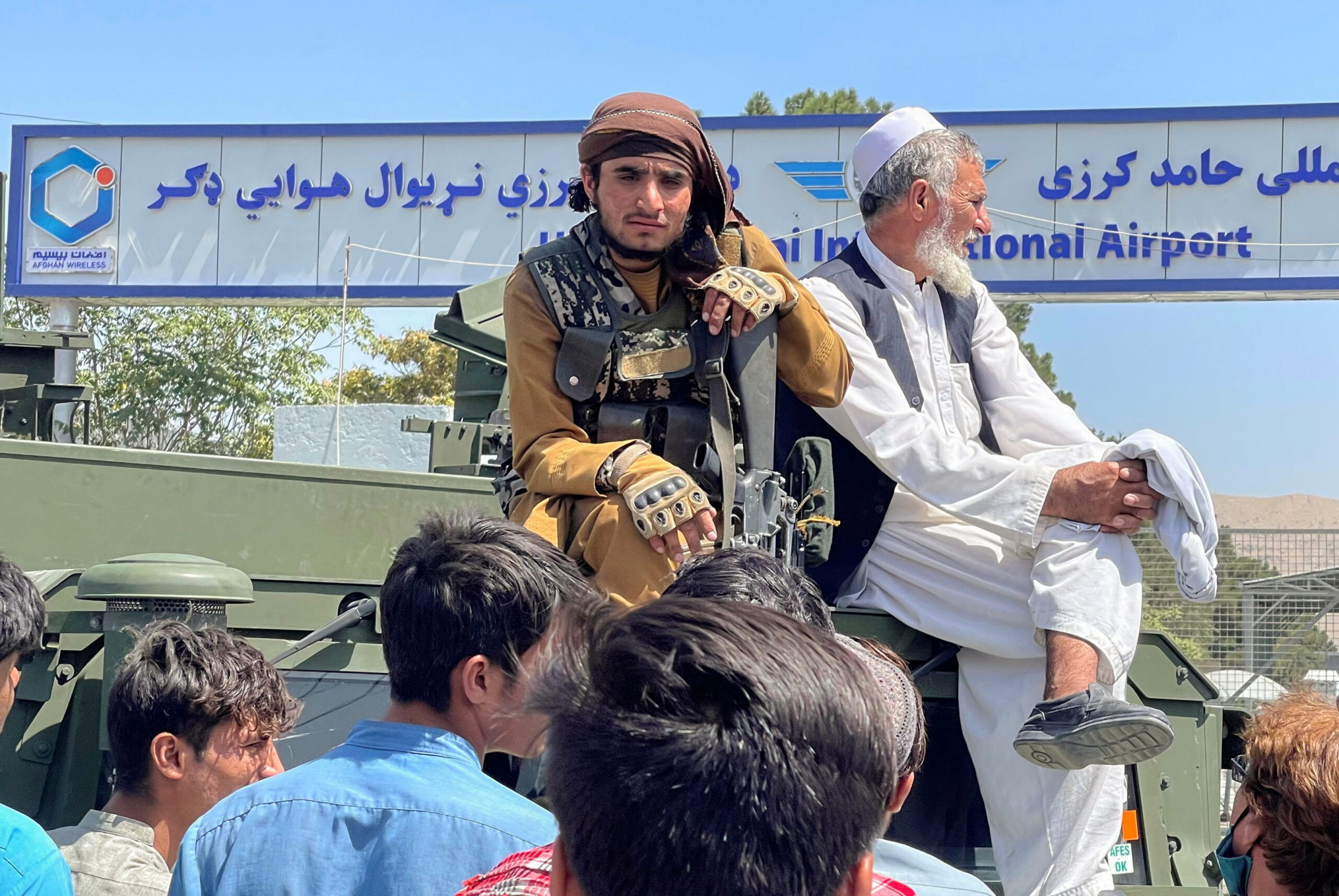
2+Iran and the Taliban were once outright enemies. Before the U.S. invasion of Afghanistan in 2001, the two sides came close to war amid deep religious divisions—the Taliban is an extremist Sunni terrorist organization, while Iran is ruled by a Shiite regime. Iran even supported the U.S.-led overthrow of the Taliban government. When the Taliban returned to power in 2021, however, Tehran seized the opportunity to repair relations with its former enemy—a policy that is now facing criticism inside Iran.
According to commentators in Arab media, Iranian voices criticizing Tehran’s Afghanistan policy do not represent an official government position, but they expose an increasingly heated debate inside Iran over the future of relations with the Taliban. Iran, they argue, now faces a strategic dilemma: If Tehran does not actively push back against Taliban policy, it fears the United States could eventually return to a position directly along Iran’s border. But if Iran confronts the Taliban, it risks destroying the relationship it spent years rebuilding.
Either way, Tehran could find itself with an enemy at the gate.