


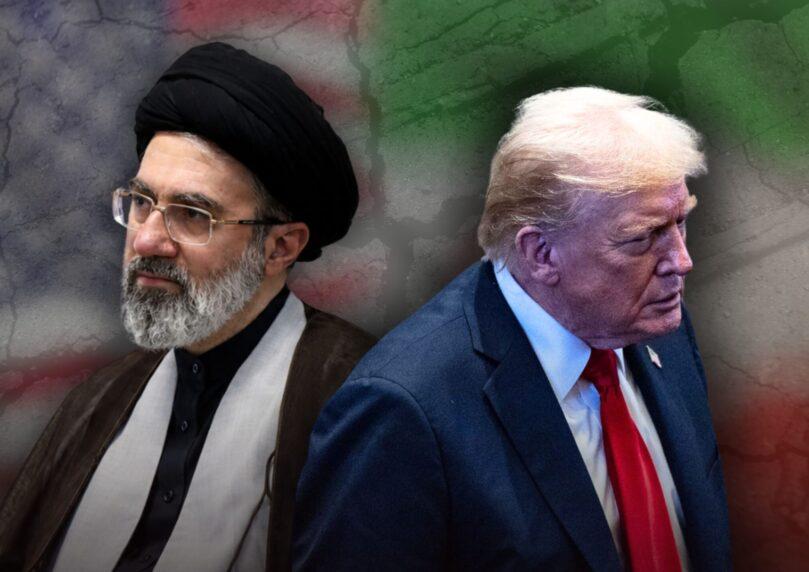

Iran sent two conflicting messages to the United States on Saturday: officials in Tehran said they’re willing to return to talks in an attempt to reach agreements. At the same time, Iran’s security establishment warned it has new capabilities that will be revealed to its enemies “when the time comes.”

 5+
5+Iran’s ambassador to Germany, Majid Nili, said his country isn’t closing the door on resuming contacts with the United States. Even under current conditions, he said, Tehran continues to explore the possibility of dialogue: “Despite the existing political atmosphere and pressures, the path to dialogue and understanding based on mutual respect still continues.”
His statement came after Iranian Foreign Minister Abbas Araghchi said it’s still possible to return relations between the countries to a diplomatic track. But he set a key condition from Iran’s perspective—a change in how the United States conducts itself. “Returning diplomacy to its track is not impossible,” he said. “It depends on the U.S. understanding one simple fact: pressure doesn’t work,” Araghchi added. “The U.S. needs to build trust, speak with respect, recognize our rights and honor its commitments.”
 5+
5+But alongside the attempt to present a possibility of returning to talks, a threatening message was also heard from Tehran. Acting Defense Minister Brigadier General Majid Abun-Reza claimed the country’s defense industries are developing capabilities not yet revealed to the world. “Everyone, and especially the enemies, should know they will be exposed to Iran’s surprises when the time comes,” he declared. He added: “We don’t need to talk about the surprises now, but Iranian knowledge, Iranian youth and what’s being carried out in the defense industries will bring, God willing, good surprises.”
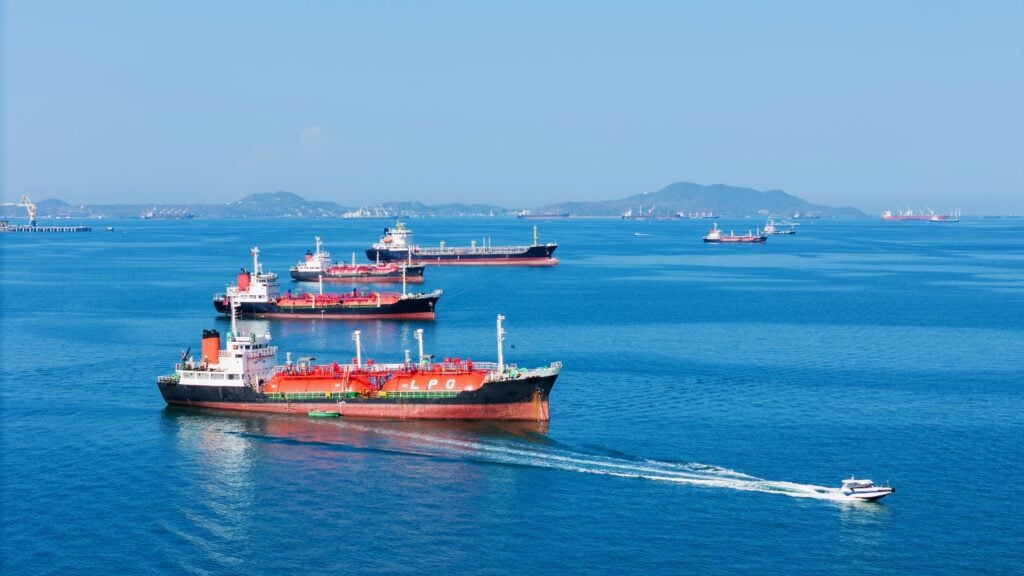
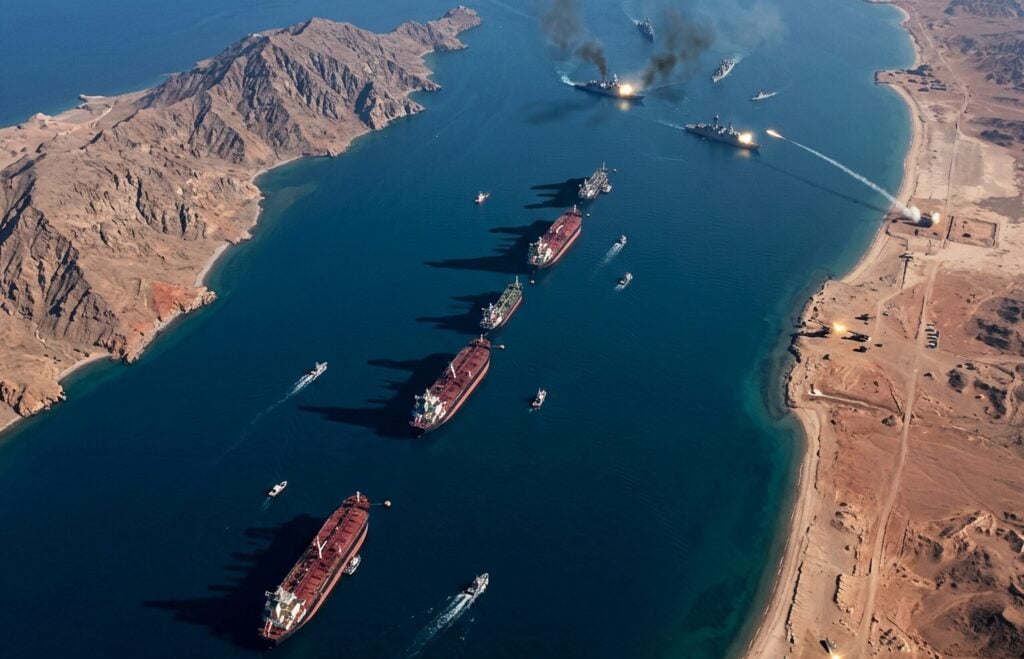
The messages come as the United States continues to pressure Iran in two ways simultaneously: military activity in the region and hitting its revenue sources. U.S. forces have maintained an increased presence in the Middle East since the start of operations against Iran on February 28. At the same time, U.S. Central Command is working to restrict vessel traffic to and from Iranian ports. According to CENTCOM, 82 ships have been diverted from their routes so far as part of the operation.
 5+
5+The Iranian signal about willingness to return to talks may not necessarily indicate a desire to quickly reach an agreement, but rather an attempt to buy time and trap President Donald Trump in a political bind ahead of the midterm elections in November. Tehran is aware that continued confrontation, disruptions in the Strait of Hormuz, and the impact on energy prices could weigh on the president and the Republican Party as election day approaches.
Analysts have already estimated that Iran may try to drag out talks, set conditions, and prevent Trump from achieving a quick diplomatic win, hoping that political pressure inside the United States will force him to compromise. On the other hand, there’s also an opposite possibility: if negotiations continue past the elections and Republicans emerge strengthened, Tehran’s bargaining power could actually weaken.
 5+
5+The confrontation between the United States and Iran has been ongoing for about six months, and recently Washington has expanded the campaign to the economic sphere as well. The U.S. Treasury Department launched an operation designed to make it harder for Tehran to bring money into the country, use the international financial system, and circumvent sanctions imposed on it.
The impact is already being felt inside Iran. ‘Supreme Leader’ Mojtaba Khamenei admitted the country is dealing with economic problems including inflation, unemployment and rising prices. President Masoud Pezeshkian reported that Iranian exports have dropped by nearly 35% due to sanctions and the blockade the United States is imposing on the ports.
 5+
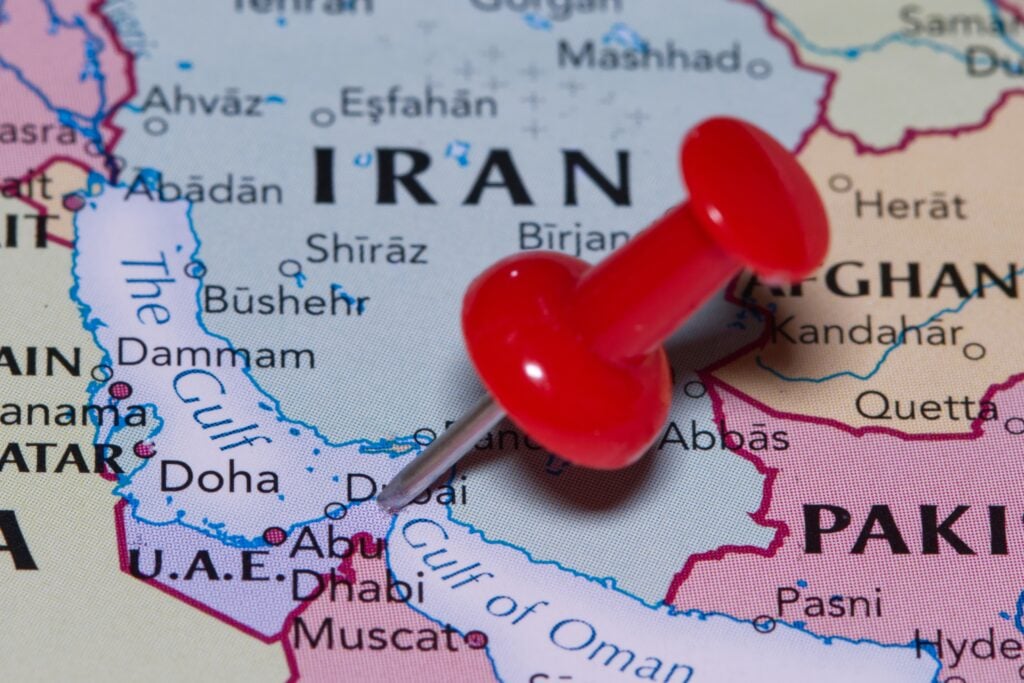
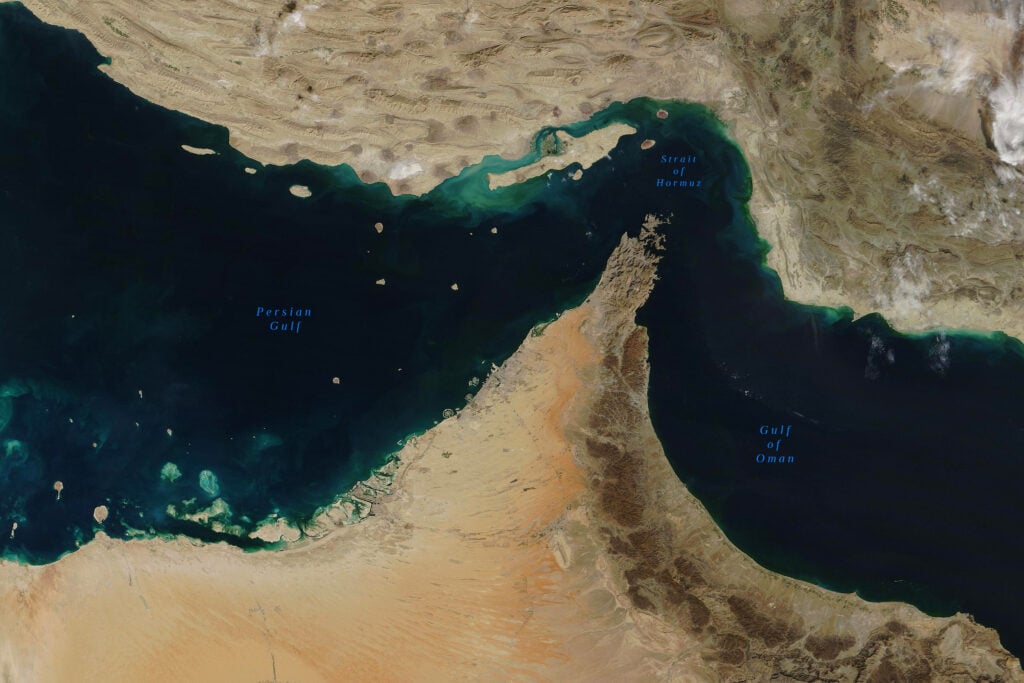
5+The crisis also has consequences outside Iran. According to the UN’s International Maritime Organization, at least 6,000 crew members remain stranded on hundreds of ships in the Persian Gulf. Since the start of the war, 19 sailors have been killed, and at least 70 attacks on international vessels have been recorded. The region’s importance to the global economy is particularly significant, since before the conflict broke out, about 20% of the world’s traded oil and natural gas passed through the Strait of Hormuz.
Last week Trump made clear he’s not willing to simply return to previous understandings with Iran. A memorandum of understanding signed in June was meant to open a 60-day period for broader negotiations, but it fell apart following disputes between the sides, including over passage of ships through the Strait of Hormuz. When Trump was asked if the United States is interested in extending the arrangement, he answered no and said Iran “won’t make the kind of deal I think is necessary.”
 5+
5+It was later reported that the administration even informed mediators it’s not interested in returning to the memorandum’s terms, and prefers to continue applying economic pressure until Tehran agrees to more favorable terms from Washington’s perspective. So the current Iranian signal about willingness for dialogue comes when the gap between the sides is still large: Tehran wants to revive the understanding framework, while Trump is signaling that the old offer is no longer sufficient from his perspective.