


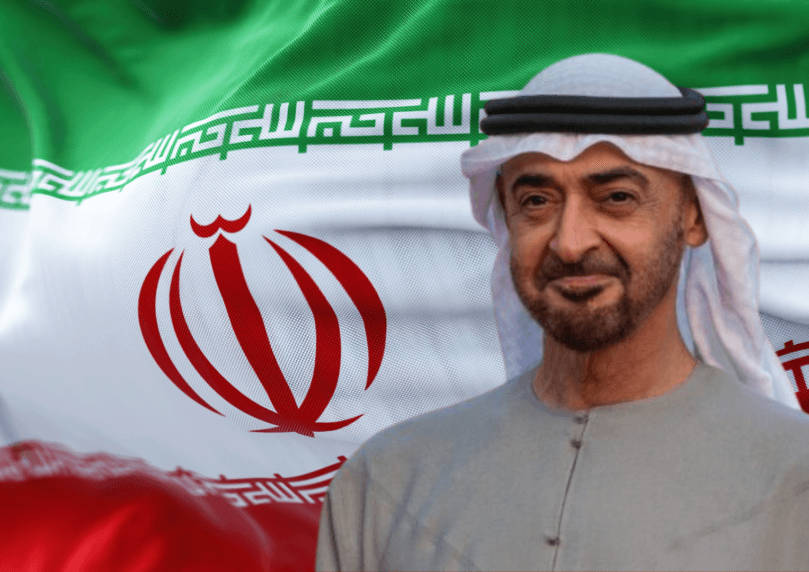

The United Arab Emirates announced Tuesday it is severing all trade, currency exchange, and financial transactions with Iran, in an unusual move that could deepen economic pressure on Tehran. The announcement comes against the backdrop of the American blockade on Iran, threats from the Trump administration to intensify sanctions, and rising tensions in the Gulf following attacks on vessels near the Strait of Hormuz.


 3+
3+Abu Dhabi’s move has sparked widespread debate among experts, as the UAE has been considered for years a key trading partner for Iran—and especially a gateway through which Tehran managed to access goods, services, and commercial infrastructure from other countries. According to published data, trade volume between the countries stood at about $28 billion in 2024, with the UAE serving as Iran’s largest source of imports.
The Emirati announcement came hours after a phone call between U.S. President Donald Trump and UAE President Mohammed bin Zayed. It’s not yet clear whether the move was coordinated with Washington, but it aligns with the economic pressure campaign the American administration is leading against Tehran. U.S. Treasury Secretary Scott Bessent said last week the administration is expected to announce unprecedented economic isolation measures against Iran soon.
 3+
3+The decision also comes amid security escalation in the Gulf. In recent weeks, Abu Dhabi reported several Iranian attacks on its oil tankers attempting to cross the Strait of Hormuz, after Iran threatened to block maritime passage in the area. Yesterday, the UAE reported that two missiles were fired at maritime targets and landed in Gulf waters. Tehran denied involvement and claimed it did not fire missiles at the Emirates.
Analysts estimate that halting trade with the UAE could deal another blow to the Iranian economy, which is already in deep crisis. Professor Mohammad Farzanegan, a Middle East economics expert from the University of Marburg in Germany, told the Associated Press that Abu Dhabi served as an important re-export hub for Iran and helped it bypass some of the difficulties created by American sanctions.
 3+
3+According to him, Iran’s dependence on the UAE stems not only from the volume of goods arriving directly from it, but mainly from its role as a commercial center that enables Tehran to access third countries. This means severing ties could hurt not just direct trade between the countries, but also Iran’s ability to continue importing products through indirect channels.
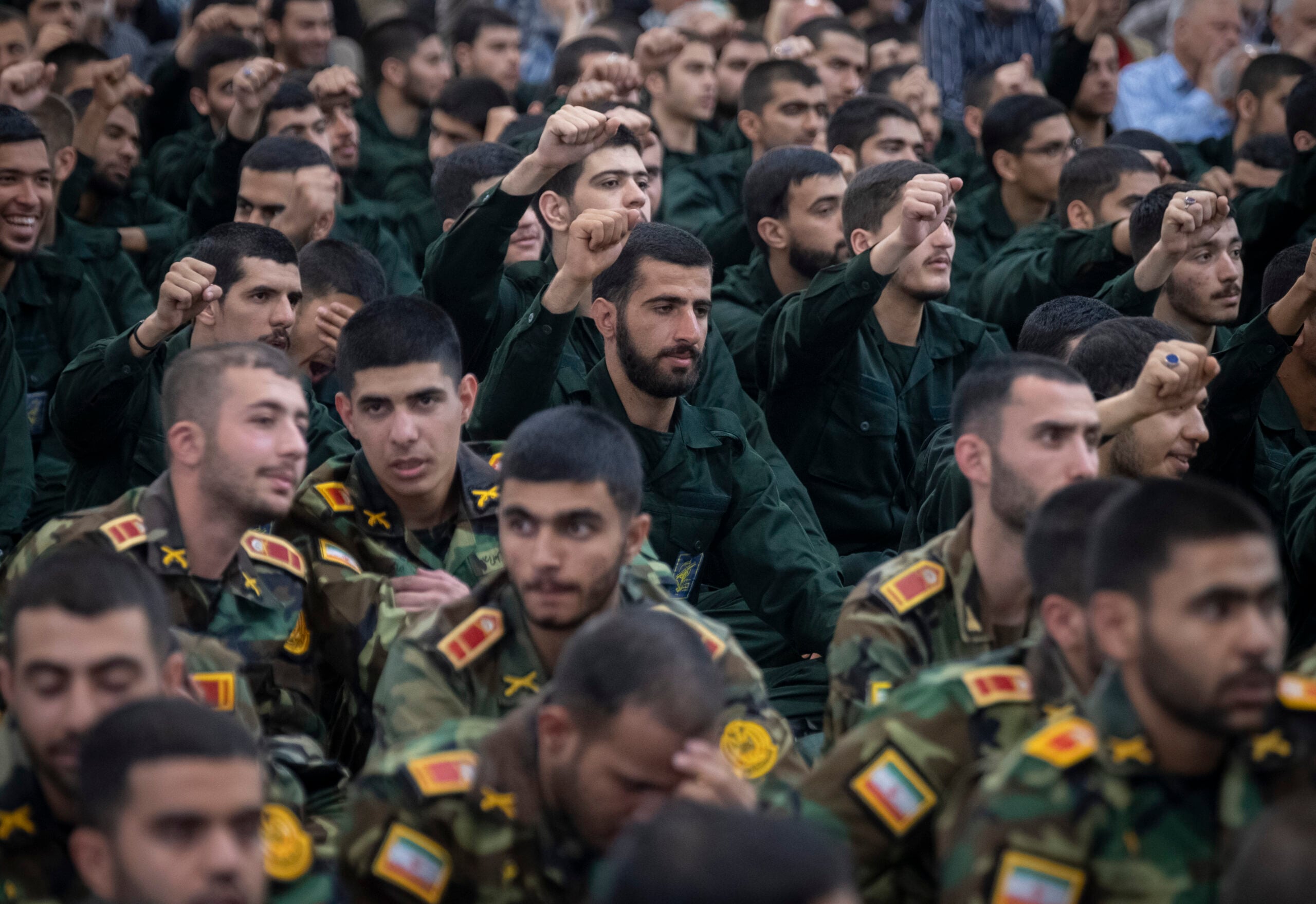
Still, the move carries risks for the UAE itself. Farzanegan noted that Abu Dhabi depends on regional stability to preserve its status as a business, financial, and tourism hub, so significant confrontation with Iran could also damage its economy. That concern gained additional expression this morning, after Iran claimed the Revolutionary Guards seized an oil tanker in the Strait of Hormuz that they say is linked to the UAE.
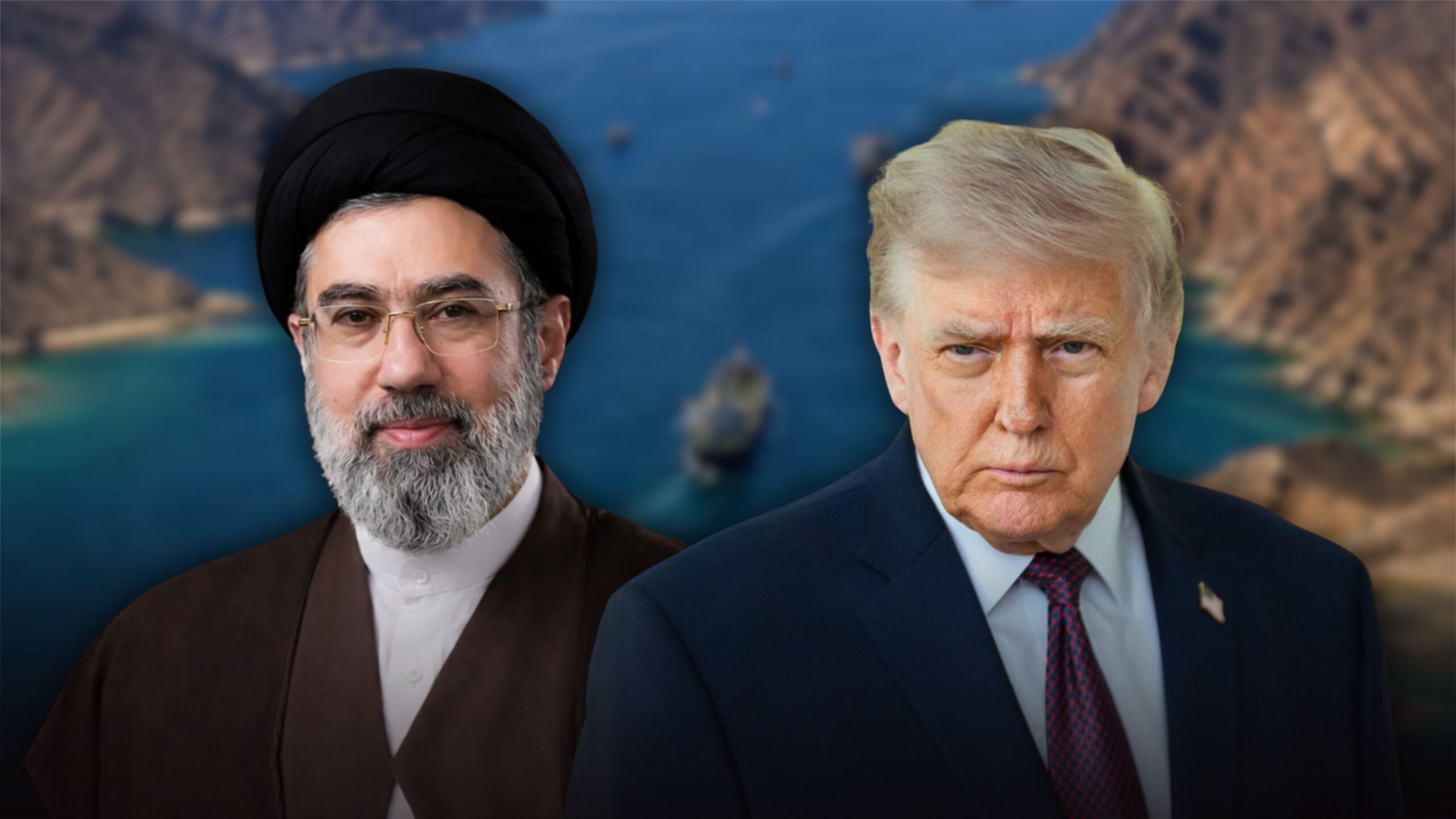
Meanwhile, Trump made clear that there are currently no talks or planned contacts with Iran, and that the naval blockade on Iranian ports will continue. According to him, the Strait of Hormuz is open and operational, and naval mines have been removed or detonated. In Tehran, by contrast, officials continue to threaten escalation if American pressure is not lifted, demanding steps like compensation and withdrawal of forces as conditions for de-escalation.
 3+
3+The current crisis comes as the Iranian economy grapples with high inflation, damage to the local currency, and an expected contraction of the economy. Now, with the UAE cutting ties, Tehran could lose one of the most important economic channels it has left in the Gulf.