


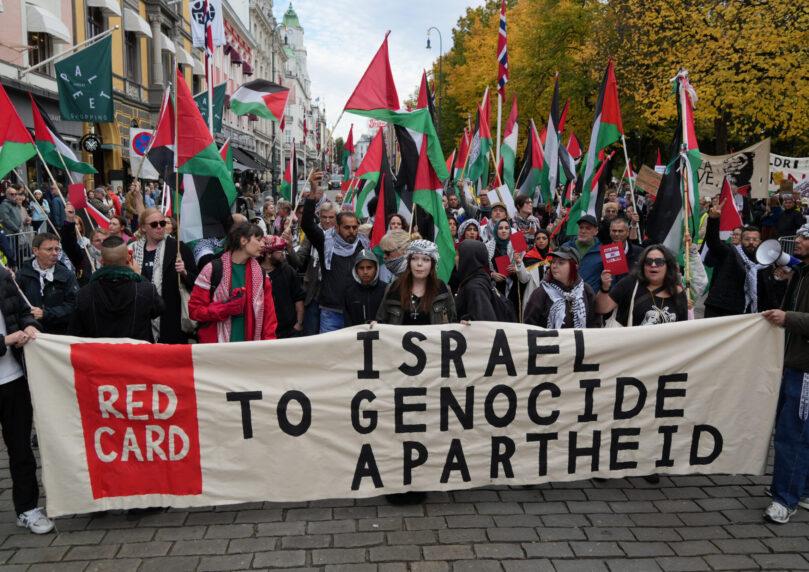

Over the past two years, the same uncomfortable question keeps surfacing: Will we forever live by the sword? It’s a question that demands a short, almost binary answer: yes or no. But Jewish, Israeli, and Middle Eastern reality doesn’t allow for such a simple response. Here, the literal meaning isn’t what matters—the interpretation is. Not just what awaits us tomorrow morning, but what historical consciousness we need to develop in order to exist, defend ourselves, and preserve our freedom over time.
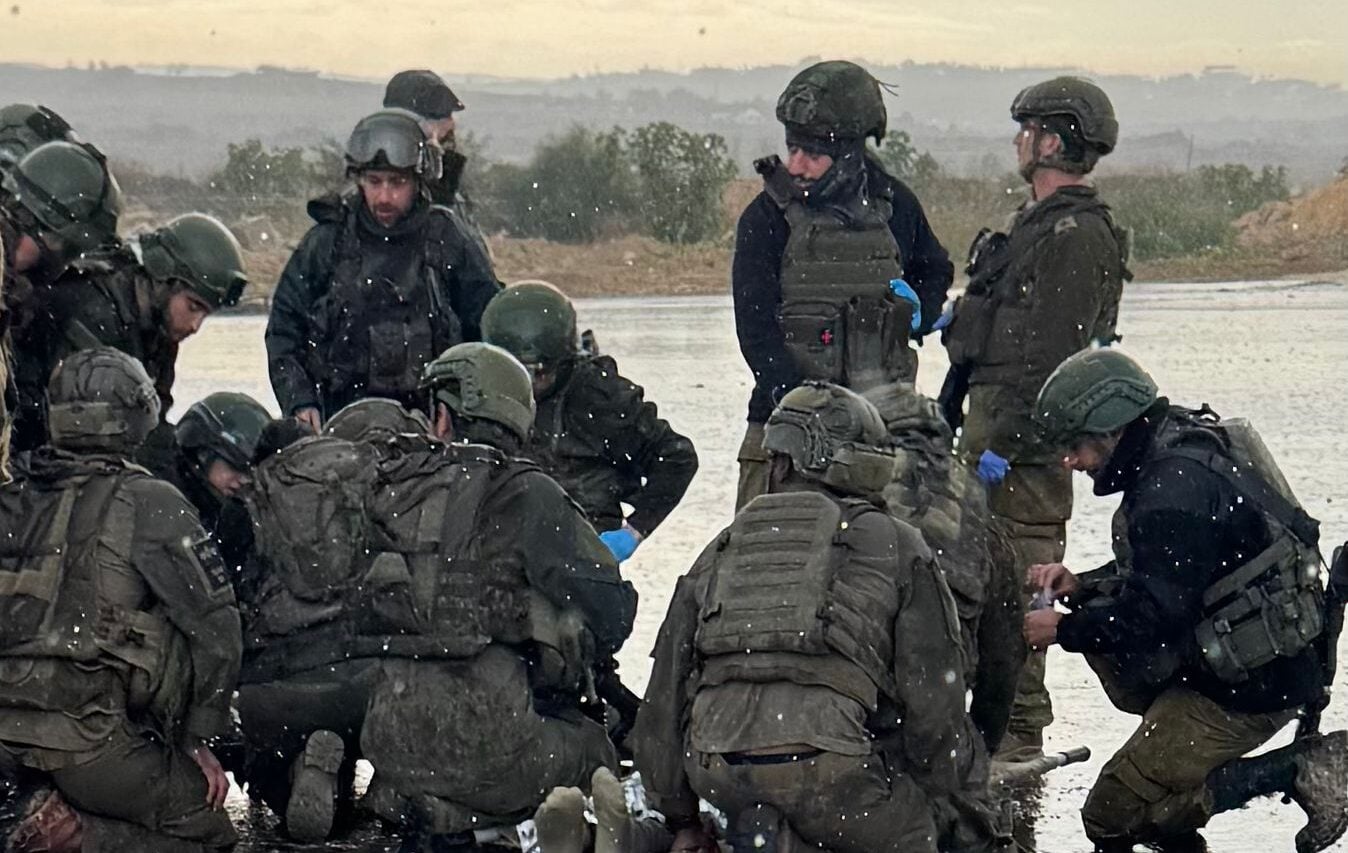

 2+
A deep look at the heritage and history of the Jewish people teaches that this isn’t just a random sequence of disasters, persecutions and wars. The Jewish people has been exceptional throughout history: small in number, but great in influence; scattered among nations, yet preserving its identity; lacking sovereignty for generations, yet refusing to disappear; ancient in its roots, yet constantly renewing, creating, debating, learning and building.
This uniqueness inspires many, but it also provokes opposition, envy and hatred. Sometimes it’s jealousy of an educated, enterprising and creative people. Sometimes it’s ancient blood libels, returning in modern dress. Sometimes it’s religious, national or ideological hatred. And sometimes it’s simpler: there are those who struggle to accept the very existence of a free, sovereign and self-confident Jewish people in the Land of Israel.
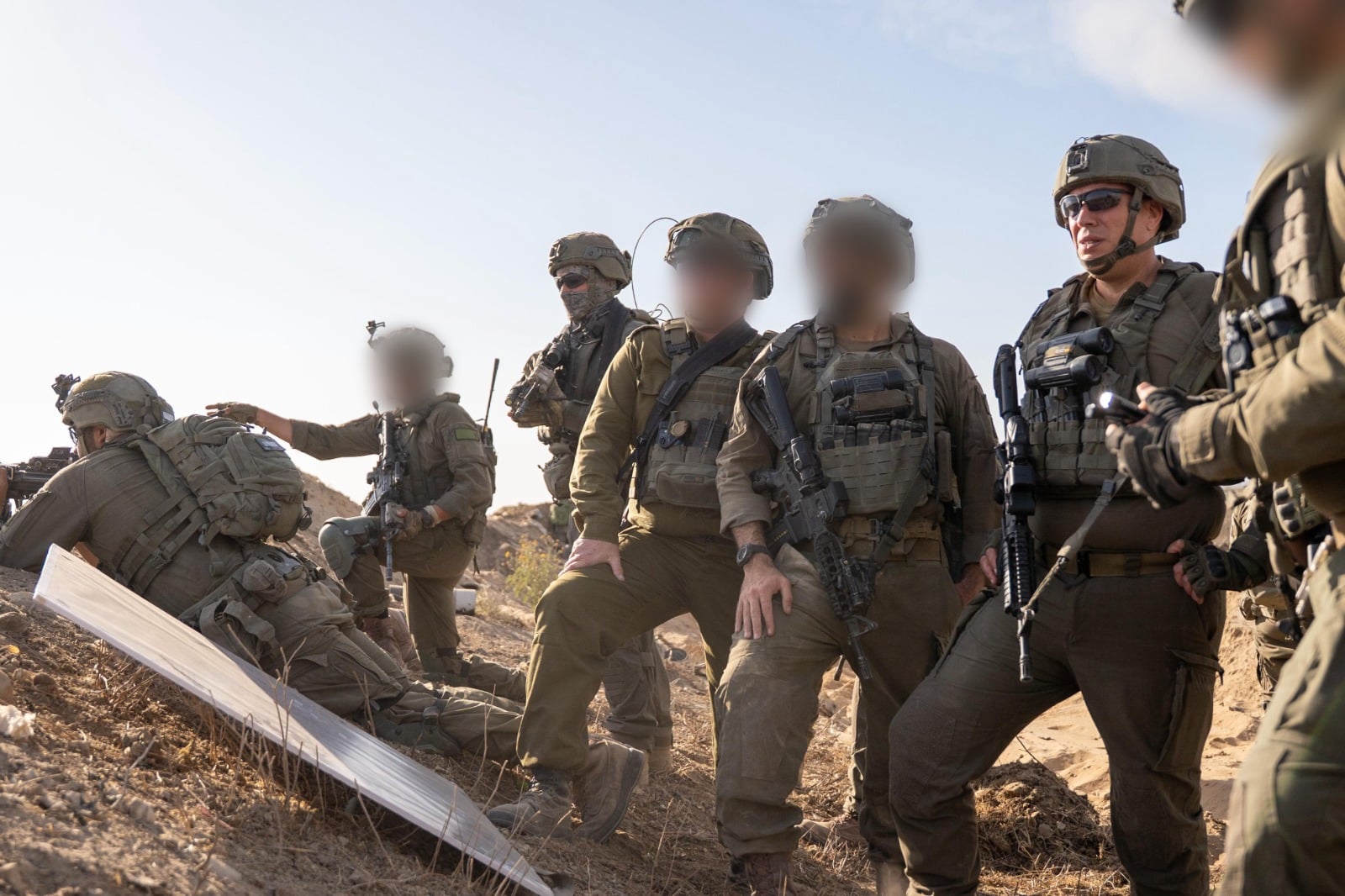 2+
You can see this clearly in current reality too. The world changes, language changes, technology changes, but fundamental phenomena recur. Once Jews were accused of poisoning wells—today lies are spread about them on social media. Once Jewish businesses were boycotted—today there are efforts to isolate the State of Israel in international institutions, academia, culture and economics. Once hatred was presented as religion—today it can appear in the guise of morality, human rights or political struggle. Not all criticism of Israel is antisemitism, of course, but not all antisemitism comes with a swastika. Sometimes it wears more “sanitized” words.
Geography adds another layer. The Land of Israel isn’t just a historical and spiritual homeland—it’s also an intercontinental crossroads, a strategic space with military, economic and religious significance. For thousands of years the land was conquered again and again by empires and powers: Assyrians, Babylonians, Persians, Greeks, Romans, Crusaders, Mamluks, Ottomans and British. Anyone seeking to influence the Middle East, trade routes, the eastern Mediterranean basin and regional holy sites looked here.
Therefore, anyone trying to understand the hostility toward us only through a single event misses the picture. The conflict isn’t just a dispute over a border, an arrangement, or this or that leader. It has deeper layers: religion, identity, history, power, zealotry, interests and geography. We can and should strive for arrangements, for reducing confrontations and for better life in the region. But we must not build a national outlook on the assumption that all our enemies are motivated only by misunderstanding, and that if we just explain ourselves well enough—the hatred will disappear.
 2+
This doesn’t mean we should despair. On the contrary. Sober consciousness isn’t pessimism—it’s a condition for responsible hope. A people that doesn’t understand its environment, that doesn’t identify threats, that doesn’t invest in security, education, economics and social resilience—invites danger upon itself. But a people that recognizes reality, prepares for it and believes in its strength, can cope even with heavy challenges.
I’m not saying we will forever live by the sword. I don’t accept that fatalism. The people of Israel are not condemned to live only by its sword, and the State of Israel cannot be built only around war. We want life: families, creativity, Torah, science, economics, culture, a thriving society and a future for our children. The sword is not a vision; it’s a necessary means of defense in a reality where there are those who seek to harm us.
But precisely because we seek life, we must not be naive. When you stand out, succeed, are unique and faithful to your identity—you may also provoke the less good sides of humanity. Therefore we need a consciousness of responsibility: to be aware, to be prepared, to be shrewd in the positive sense of the word, and to know how to distinguish between wishful thinking and reality.
My conclusion is that we will not forever live by the sword. But we will forever need to guard ourselves, our identity and our ability to defend our home. From sobriety, from unity, and from deep faith in the justice of our path.