



Tensions in the Middle East hit a new peak after U.S. Central Command confirmed today (Monday) the deaths of three American soldiers over the past two days. Lieutenant Tyler James Pihan and Private Isabella Gonzales were killed in an attack on the “Mopek Salty” Air Force base in Jordan, and another soldier was killed in a controlled detonation of an Iranian drone in Iraq. President Donald Trump emphasized that the U.S. is responding forcefully “in honor of American patriots,” and stressed that the operations are designed to prevent Iran from obtaining nuclear weapons.


 1+
1+Secretary of State Marco Rubio, who departed for the ASEAN foreign ministers’ meeting in the Philippines, made clear that attacks on commercial vessels and aggression against U.S. forces have rendered the memorandum of understanding worthless. “You can’t have an agreement when one side blatantly violates it,” Rubio said, though he added that the U.S. remains open to a diplomatic solution, provided Iran fundamentally changes its behavior patterns.
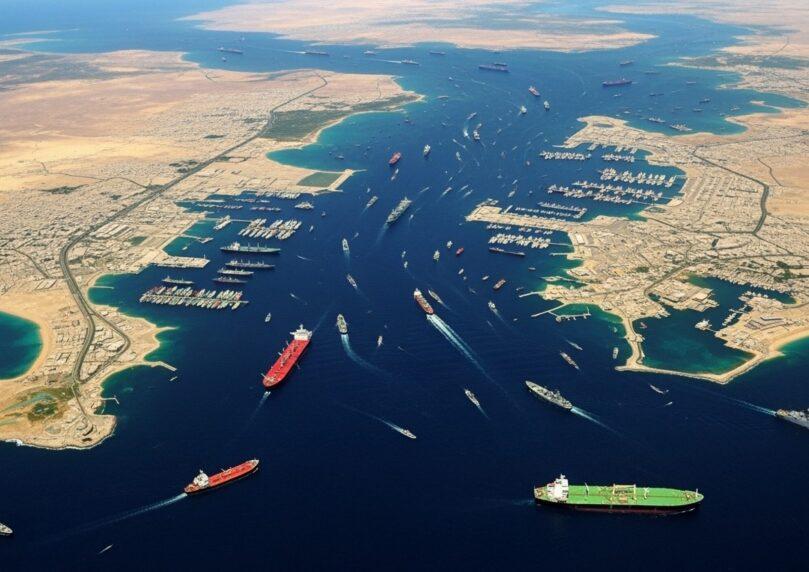
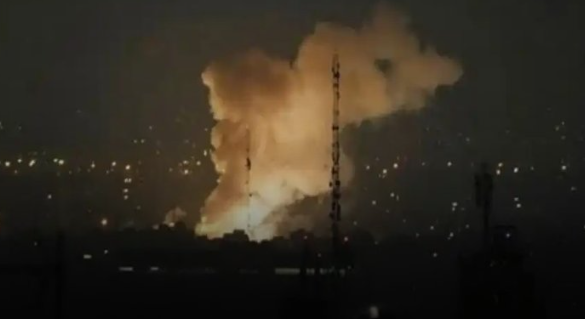
On the ground, the escalation is widening: Kuwait’s military reported intercepting missiles and drones in what it called “reckless Iranian aggression,” and additional reports indicate damage to a civilian desalination facility in Kuwait—the second consecutive strike on critical infrastructure. The American strikes themselves have focused on military command centers, air defense systems, missile and drone launch sites, and Iranian communications infrastructure, aimed at degrading Tehran’s ability to target commercial shipping in the Strait of Hormuz.
 1+
1+Military experts, such as retired Lieutenant Colonel Rob Spalding, assess that the U.S. is now preparing for a long-term war. According to him, the American strategy appears to be an attempt to create a “secure corridor” for control of the strait, similar to operations like “Southern Watch,” based on the understanding that Iranian threats funded by oil revenues will continue to pose a danger to regional stability for a long time.