


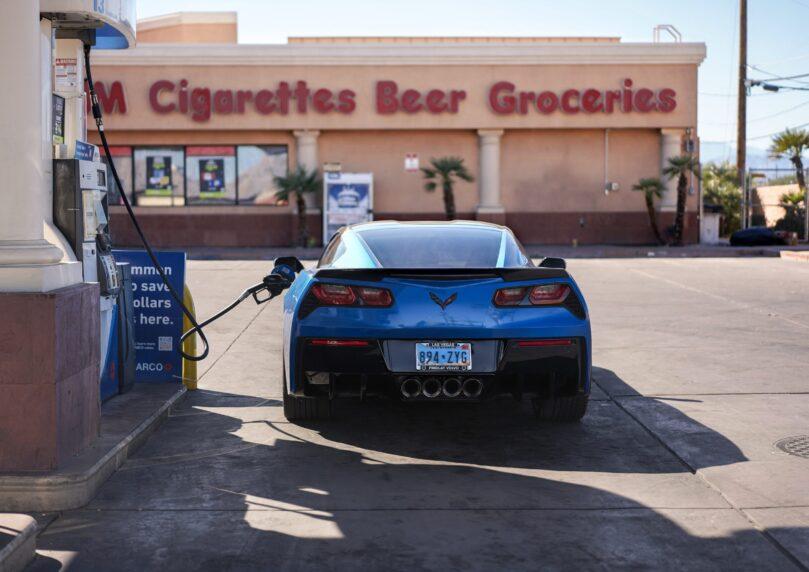

The average gas price for U.S. drivers hit $4 per gallon on Monday, only the second time since the war with Iran disrupted global oil supplies. The national average now stands at $4 per gallon, according to AAA data. Gas first crossed the $4 threshold on March 31, a month after the conflict cut off most oil flow through the Strait of Hormuz.
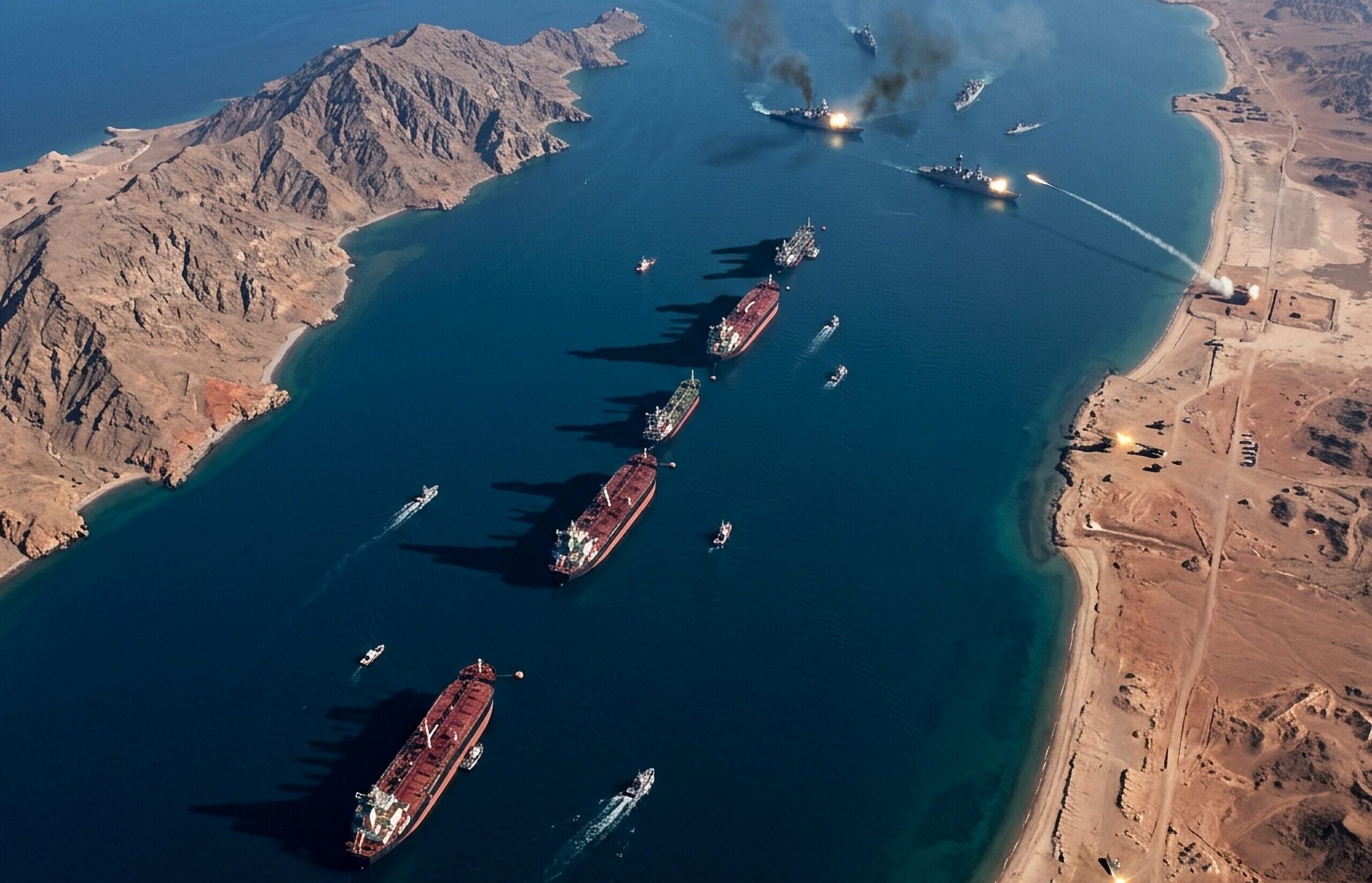
Prices surged to a four-year high of $4.56 per gallon in early May before retreating on hopes that negotiations between Iran and the United States would reopen the strategic waterway and free oil tankers stranded in the Persian Gulf. Those expectations gained momentum after the two countries signed a memorandum of understanding on June 14th to halt hostilities, pushing average gas prices back below $4 just days later.
Those gains proved short-lived. Pump prices began climbing again after Iran resumed attacks on vessels attempting to leave the Strait of Hormuz, prompting the United States to impose a naval blockade on Iranian ports. The national average has risen by roughly 13 cents over the past week, although about half of U.S. states still report average prices below $4 per gallon.

Indiana currently has the nation’s lowest average gas price at $3.35 per gallon, while California remains the most expensive at $5.49. Relief is unlikely to come anytime soon, according to independent oil analyst and Gulf Oil consultant Tom Kloza, who says the recent rise in gasoline futures points to another increase of 10 to 25 cents over the coming week.
The war with Iran and the renewed closure of the Strait of Hormuz are not the only forces driving prices higher. Ukraine’s recent drone strikes on Russian refineries have also tightened global fuel supplies, forcing Russia to import gasoline after years as a net exporter. The shift has heightened concerns over shortages of refined petroleum products—and because energy markets are global, the effects are being felt well beyond the region.
All of this comes as Americans enter the peak summer travel season, when gasoline demand traditionally reaches its highest levels. With demand expected to remain strong through Labor Day, analysts say upward pressure on fuel prices is likely to persist. As long as Iran keeps the Strait of Hormuz on edge, American drivers are likely to keep paying the price.