


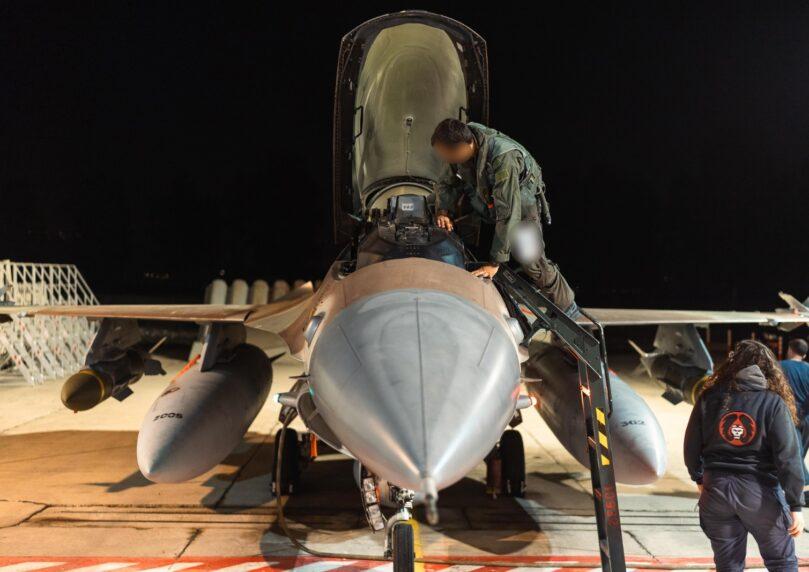

There are moments in history when global sporting events aren’t just a celebration of nations, but a temporary reprieve before a geopolitical storm. With the World Cup wrapping up this evening, the question arises whether the United States will—or can—redirect its full strategic attention to confronting Iran, if it chooses to do so.
There’s currently no public information pointing to an American decision to launch a new campaign immediately after the tournament. Still, in the strategic world, timing matters. Major international events like the World Cup draw billions of viewers, leaders from around the world, massive economic investments, and unprecedented security operations.


 2+
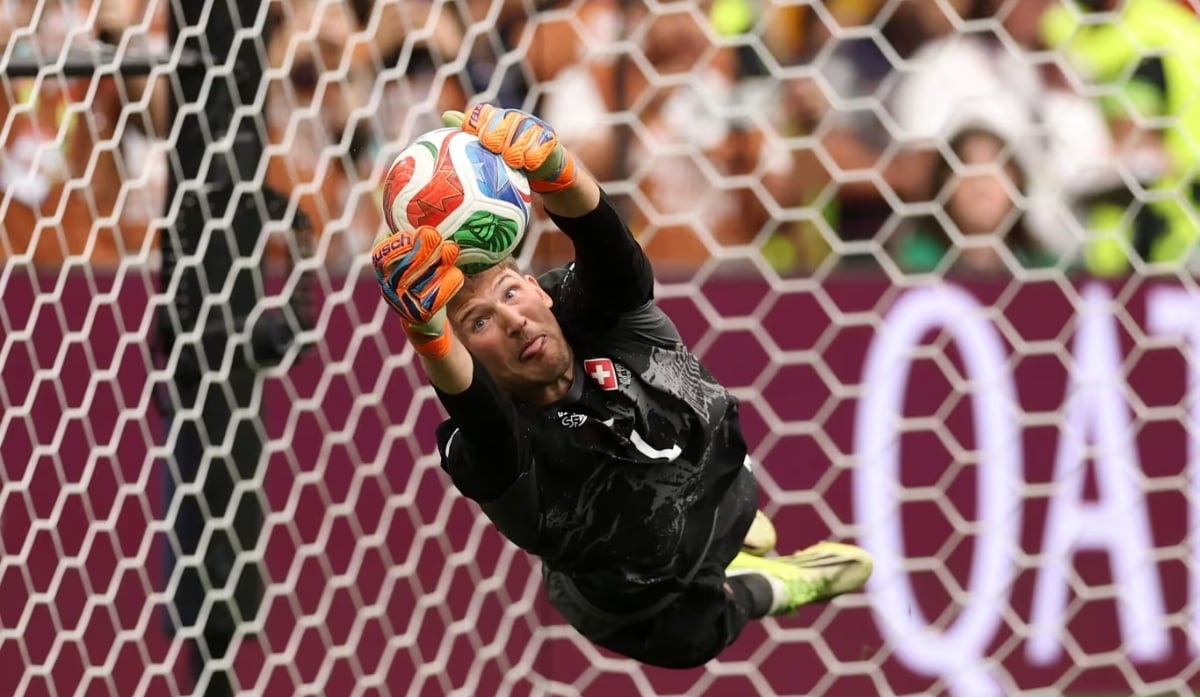
2+Had a large-scale military escalation broken out during the games themselves, the United States would have faced a series of significant consequences. First, damage to its international image. The World Cup was meant to showcase America as a secure, stable, and leading nation. A spreading regional war would have shifted headlines from sports to battlefields and tested the sense of security for millions of visitors.
 2+
2+Second, economic damage. Tourism, hospitality, restaurants, aviation, and commerce rake in billions of dollars during an event of this magnitude. Any significant security escalation could have triggered flight cancellations, a drop in tourism, and a sharp rise in security and insurance costs.
Third, a security challenge. During the world’s biggest sporting event, American security systems are already stretched to unprecedented levels. Starting a broad war at the same time would have required splitting attention and resources between defending the American homeland and managing a military theater in the Middle East. Security and research officials estimated even before the tournament that an event of this scale poses particularly complex security challenges.
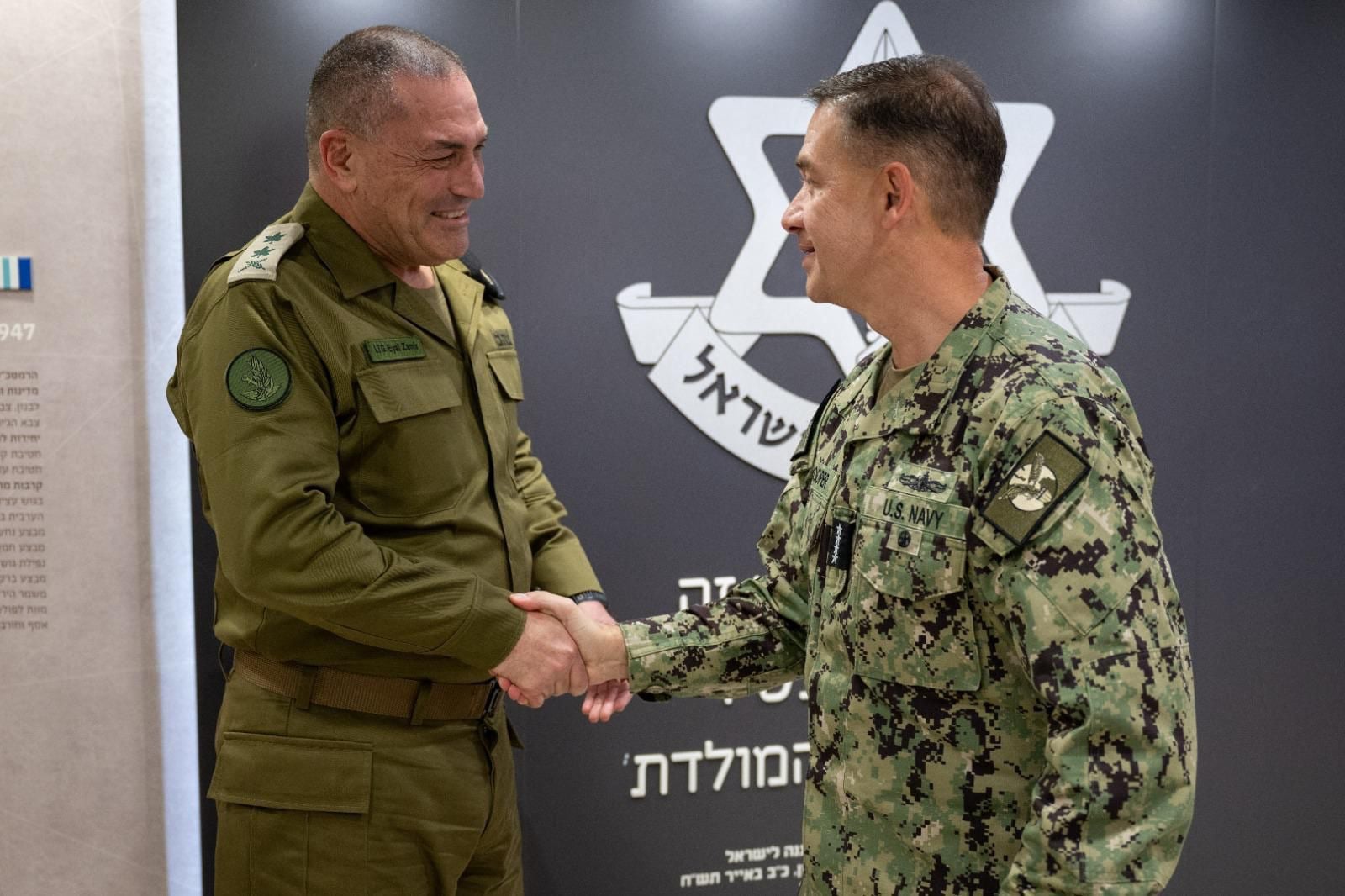
From the perspective of much of Israel’s conservative camp, the question isn’t whether to confront the Iranian threat, but when and under what conditions. Many believe that if the United States decides to lead a broad military move against the Iranian regime’s capabilities, Israel will be a natural partner given the direct threat it faces.
Still, it’s important to distinguish between a military strike aimed at hitting military or nuclear infrastructure and the assumption that such a move will necessarily bring down the regime. History teaches that the outcomes of complex wars are influenced by many factors, and it’s impossible to determine in advance how they’ll unfold.
 2+
2+If military action is indeed decided upon after the global sporting event ends, it may allow the United States to act when it’s no longer simultaneously carrying the responsibility of securing the world’s largest international event, while reducing the risk of damage to its economic and image standing.
In the Middle East, timing is sometimes a weapon in itself. Nations don’t just choose whether to go to war—they also choose when. It’s possible that precisely after the final whistle sounds and millions return home, the next phase of the strategic struggle with Iran will begin, and we may see an uncompromising and particularly painful attack that could change the rules of the game. If that happens, the entire world will understand once again that the political and security arena doesn’t stop even when the ball is still rolling on the grass.