


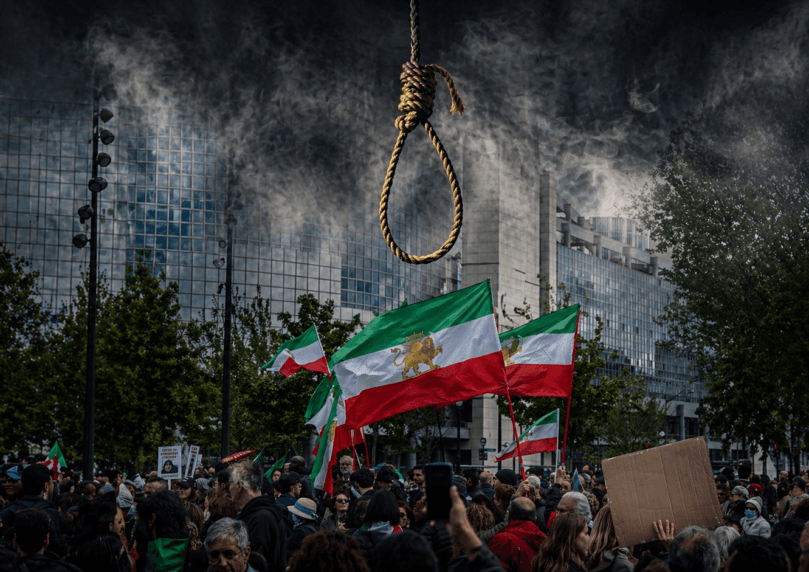

Iran’s regime is exploiting international tensions and ongoing conflict to dramatically accelerate the execution of political prisoners. According to Iran Human Rights, at least 47 political prisoners have been executed since the start of the year, compared with just 16 during the same period last year. The sharp increase reflects what the organization describes as a campaign of intensified repression carried out under the cover of global distraction.

 1+
1+The group’s director, Mahmood Amiry-Moghaddam, said the regime sees the world’s attention focused elsewhere as a critical opportunity to carry out executions without the political backlash they would ordinarily provoke. Most recently, Mohammad Amini Dehagani, who was arrested during anti-regime protests, was executed after being convicted in what rights groups described as an unfair trial.
Forced Confessions and Torture
The regime continues to rely on forced confessions extracted through torture and intimidation to justify death sentences. Previous cases, including those of Nasser Bagherzadeh and Mehrab Abdollahzadeh, who were executed in May, revealed a pattern in which detainees confessed to serious crimes under severe physical and psychological abuse, only to later deny the allegations in phone calls from prison.
 1+
1+Among the prisoners now facing execution are two brothers being held in an Iranian prison. The pair were arrested before the country’s largest wave of anti-regime protests and sentenced to death on charges of “corruption on earth.” Their relatives in Germany have launched an ongoing campaign to raise international awareness of their case in the hope of preventing the executions.
Waning International Support
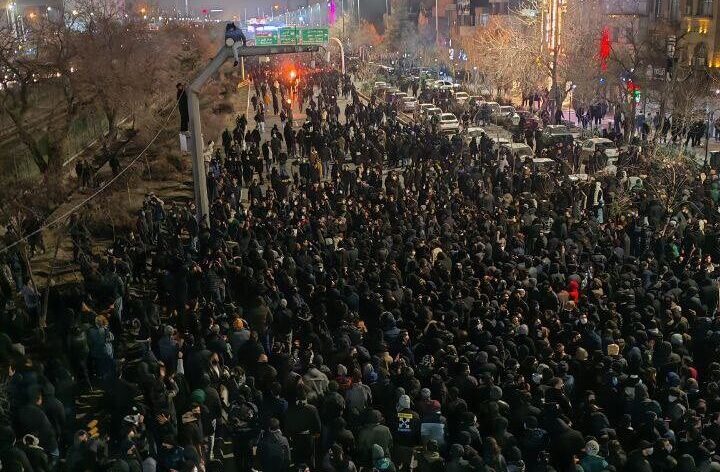
Although nationwide protests in Iran resulted in thousands of deaths and tens of thousands of arrests, the international response has gradually weakened. Despite earlier expressions of strong support, the prolonged conflict and its global economic consequences have softened the White House’s diplomatic tone. The recent memorandum of understanding between the United States and Iran made no mention of persecuted dissidents or the regime’s widespread human rights abuses, leaving political prisoners with little meaningful international protection.
As international attention shifts elsewhere, rights groups warn that Iran’s rulers are exploiting the vacuum to silence dissent with increasing speed, leaving dozens of political prisoners facing an uncertain—and potentially deadly—fate.