


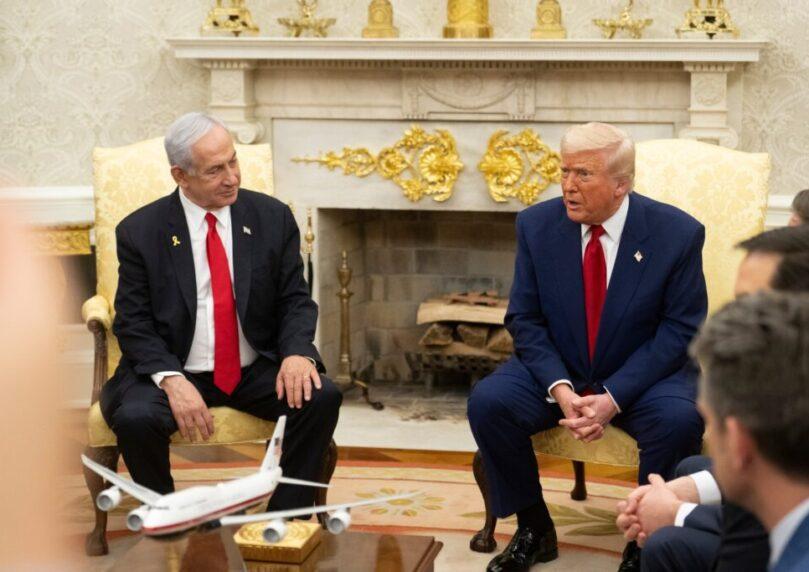

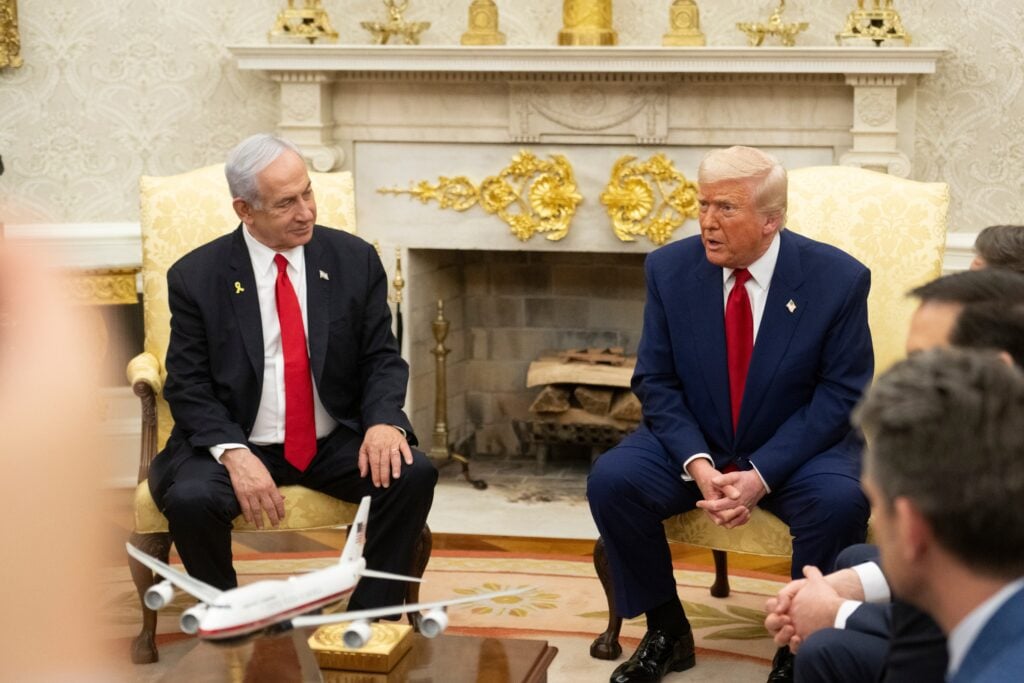
Despite President Donald Trump’s declaration last week that U.S. military aid to Israel would end by year’s end, sources in both Israel and the United States clarified Monday that the process will be gradual. Talks to shape a new security agreement have been underway for months, led on the Israeli side by the National Security Council. Jerusalem has expressed interest in weaning itself off dependence on American aid, but officials understand that shifts in public opinion and Congress could make future agreements harder to secure. There’s a preference to lock in a binding deal now, before the administration in Washington makes decisions unilaterally.

 1+
Under the framework taking shape between the two sides, current aid—totaling $3.8 billion annually—will continue in its present form through 2028. Starting in 2029, direct aid will begin a gradual phase-out, with the American budget fully redirected to joint security projects within five years.
Joint projects under consideration include advanced interceptor systems against hypersonic missiles, laser systems for intercepting ballistic missiles, and the development of offensive munitions. Still, a significant dispute remains in the negotiations over how much Israel will be required to contribute from its own funds for every American dollar.
 1+
Behind the talks lies concern about shifting American public attitudes toward Israel. A U.S. official involved in the details said: “We knew American public opinion toward Israel would change, but we didn’t estimate it would happen this fast.” Still, he stressed that despite the shift, the U.S. is far from imposing sanctions on Israel.