


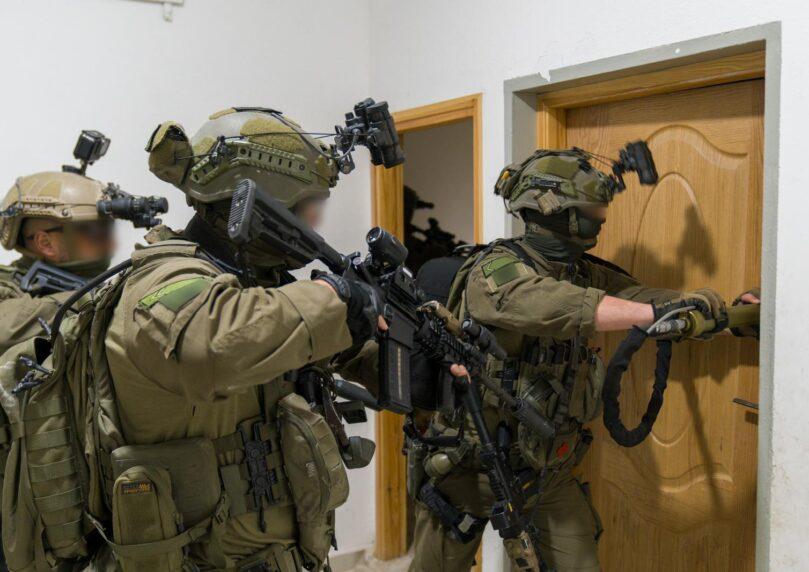

The head of IDF Ground Forces, Major General Yosef Panso, distributed a clarification document Monday on weapon-carrying procedures and use of chamber-blocking devices, following Channel 14’s reports that soldiers encountered weapon malfunctions during the deadly Judea Junction terror attack. The document details situations requiring use of the device, alongside the option to carry weapons without it based on operational needs and commanders’ orders.

 4+
The chamber-blocking device is a plastic insert placed in the weapon’s chamber to show it contains no bullet. The IDF made its use mandatory in 2014 to reduce accidental discharges. But Channel 14’s investigation revealed the device can become a danger when encountering terrorists. When the device is in the weapon, it must be removed before the weapon can be cocked and fired. According to findings we published from the Judea Junction attack investigation, two soldiers encountered weapon malfunctions due to the device remaining in the chamber. One of them, who fell later in the battle, managed to clear the malfunction, remove the chamber-blocking device, and fire three rounds at the terrorists before being hit.
 4+
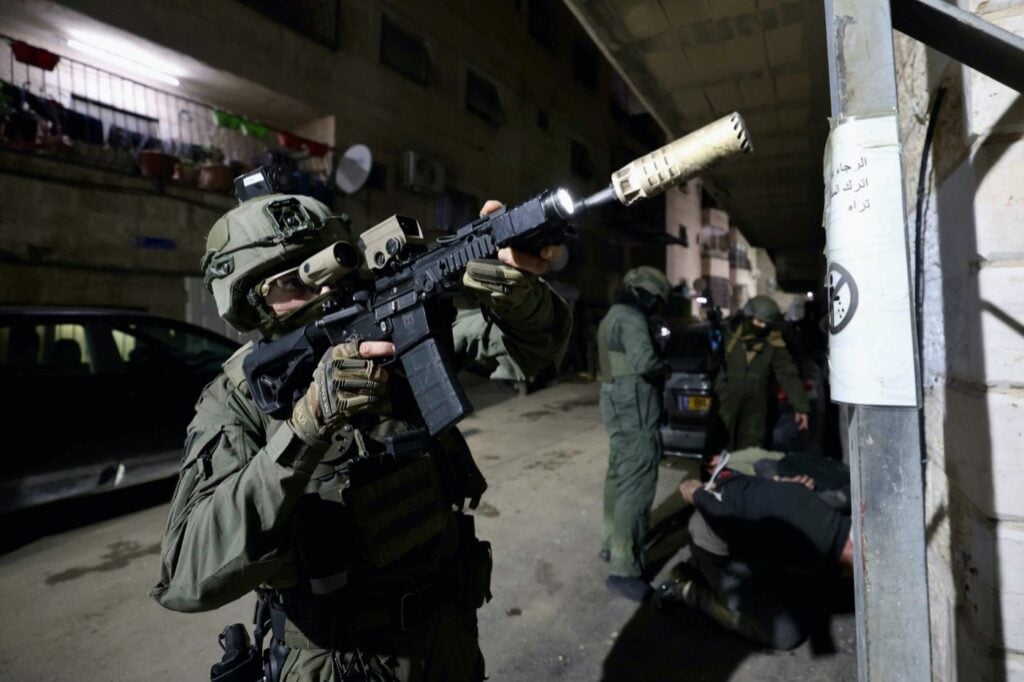
The document distributed by the Ground Forces chief states: “The personal weapon is the most secure and emergency-ready tool available to the fighter and soldier in the IDF. While it is a combat tool for defeating the enemy and self-defense, it poses a danger to our forces’ lives if not operated, maintained, and supervised according to strict safety rules.” The document further clarified that “a commander doesn’t just give orders—he is the control, enforcement, and personal example in the field.” The Ground Forces chief emphasized that weapon-carry status must be determined according to operational needs and risks. “Every weapon status detailed in this letter is possible and based on operational need, but it must be absolute and unambiguously defined by commanders after conducting an orderly risk management process,” he said.
 4+
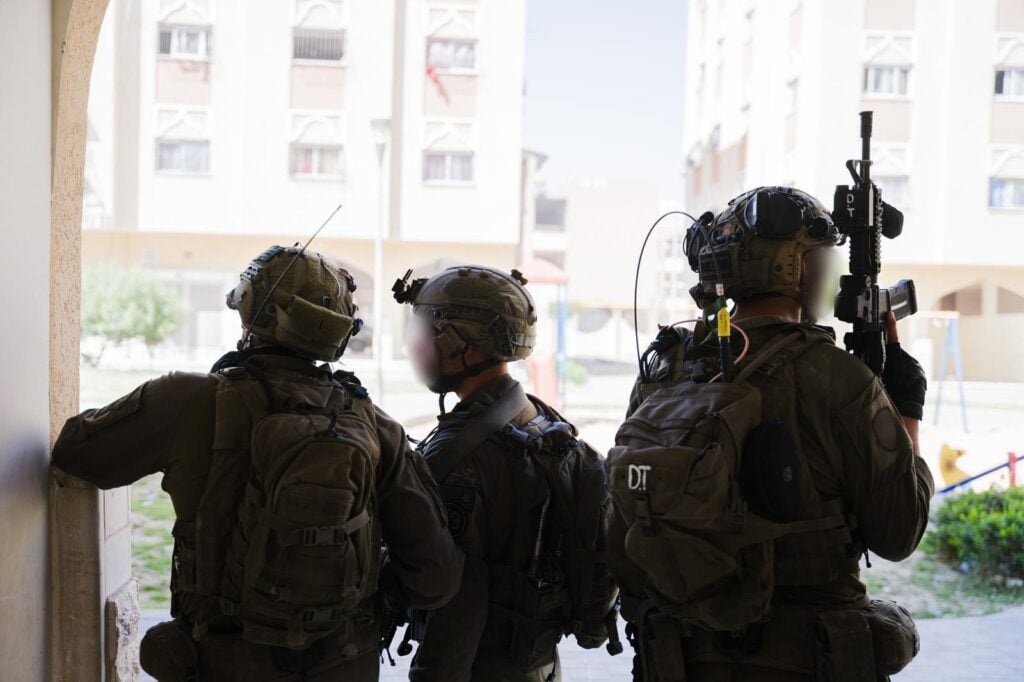
The document details different carry statuses, including unloaded weapon, weapon with magazine inserted, and loaded weapon with round in chamber. When carrying an unloaded and secured weapon, use of a standard chamber-blocking device is required. In contrast, when the weapon is carried with magazine inserted, troops can operate without the device according to orders and operational needs.
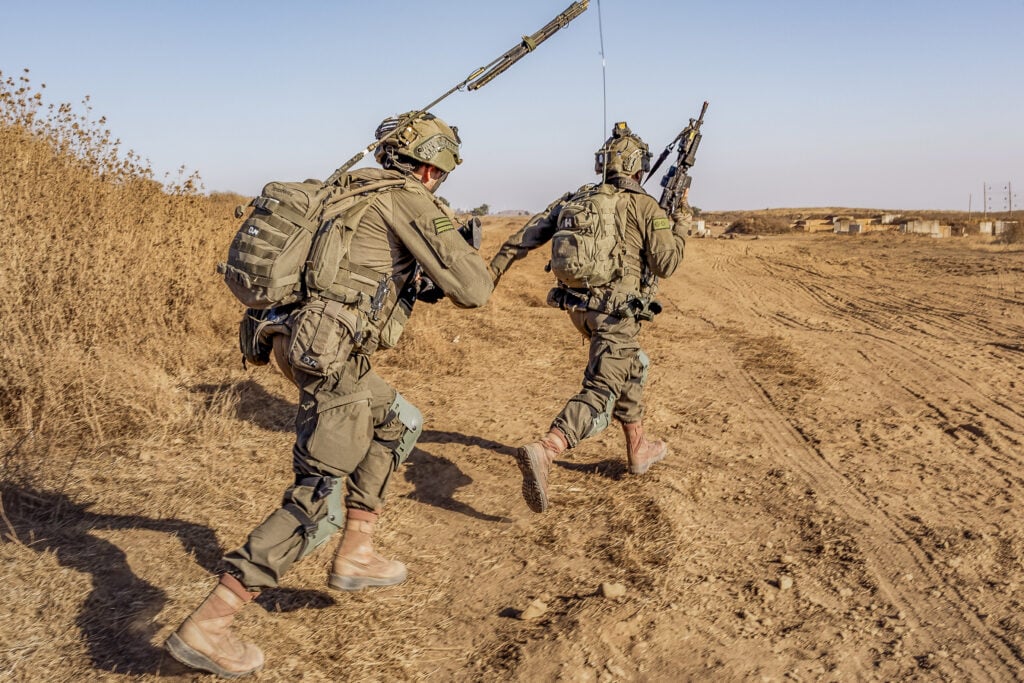
The document also establishes that with magazine-inserted status, “there will be no ‘black status’ during training and instruction, including commanders and exercises.” It further states that loaded weapon status, with round in chamber, will be determined according to commanders’ orders and mission requirements. The distinction between carry statuses clarifies that the chamber-blocking device isn’t intended for use in every situation, and that in operational situations soldiers must be allowed appropriate readiness for the threat.
 4+
In the document’s conclusion, the Ground Forces chief emphasizes commanders’ direct responsibility for soldiers’ safety. “Protecting our soldiers’ lives is every commander’s supreme mission. Uncompromising adherence to basic weapon statuses, intelligent enforcement, and meticulous safety are the chain of command responsibility—the line separating quality operational routine from unnecessary disaster,” he wrote. He further emphasized that “commanders must remember: every weapon status is possible and permitted if approved according to authorities and operational need, but the decision on weapon status must be made out loud, clearly, and after risk management.”
 4+
Earlier this month, we revealed findings from the investigation into the deadly Judea Junction terror attack, which occurred on October 23, 2026. In the attack, two armed terrorists from Hebron arrived at a temporary checkpoint set up by soldiers from the Ari Battalion of the Home Front Command, near Route 35, and opened fire. Staff Sergeant Ron Yonatan Reitman, 23, from Ashkelon, and Sergeant Yuval Shai Suilam, 20, from Hod Hasharon, were killed in the battle. Three additional soldiers were wounded.
According to the findings we revealed, two of the soldiers encountered weapon malfunctions due to the chamber-blocking device, precisely in the moments they needed to respond quickly to the terrorists’ fire. One soldier, who fell later in the battle, managed to release the malfunction, remove the device, and fire three rounds at the terrorists before being hit. We subsequently reported that dozens of soldiers and commanders testified to additional cases where the chamber-blocking device caused weapon malfunctions during operational activity.