


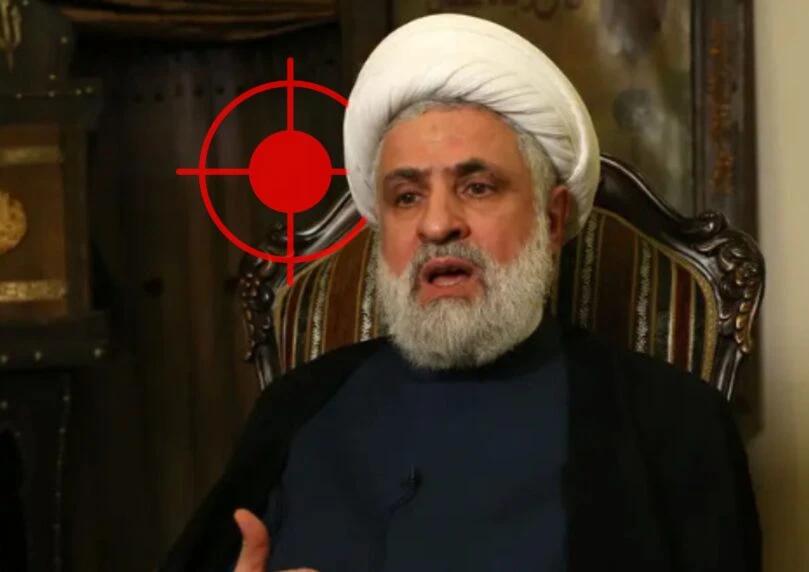

The U.S. has delivered urgent diplomatic warnings to senior Lebanese government officials, outlining Israeli military contingency plans designed to inflict severe structural and territorial damage on Lebanon should the Islamist terror group Hezbollah enter an expanded regional conflict alongside Iran, according to an investigative report published by Emirati news outlet Erem News.
Citing informed Lebanese political sources involved in backchannel discussions, the report states that American diplomats briefed Beirut’s political leadership on operational scenarios prepared by the IDF.

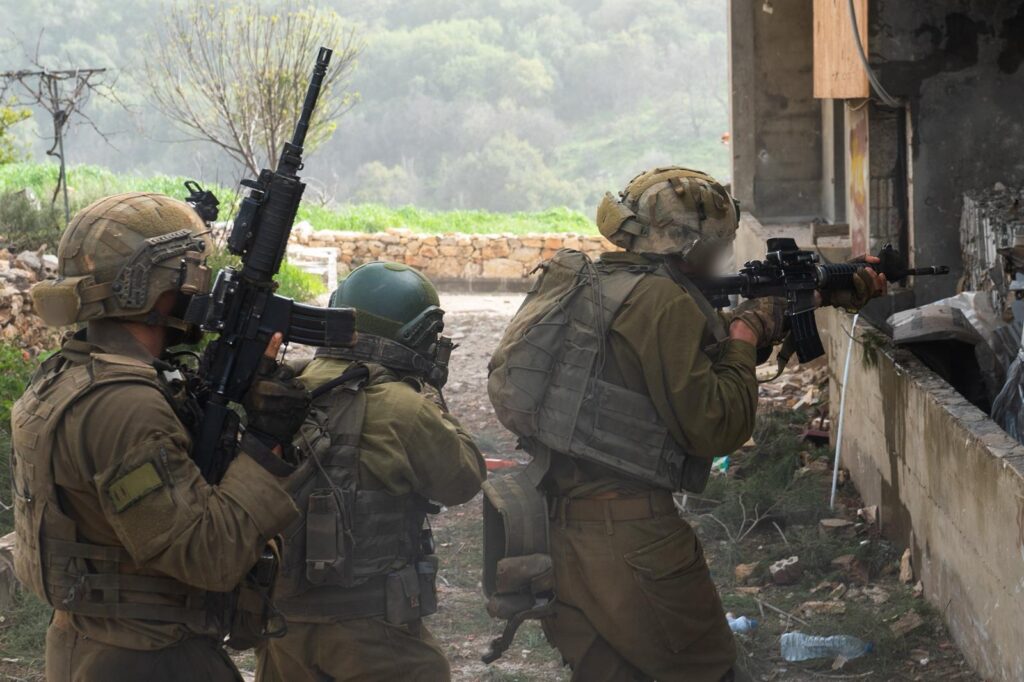
The warnings were formally and informally transmitted to Lebanon’s President Joseph Aoun, Parliament Speaker Nabih Berri, and Prime Minister Nawaf Salam. According to the disclosures, Israeli contingency plans are not limited to border skirmishes or standard tactical air operations. Instead, the operational blueprints account for a sweeping ground offensive to secure territorial control over the major southern urban centers of Tyre, Sidon, and Nabatieh.

 2+
The maneuvers would involve Israeli armored columns and infantry brigades pushing deep into sovereign Lebanese territory, advancing north past the line of the Awali River. In addition to ground maneuvers, the contingency plans detail a strategic naval and aerial quarantine. The scenarios contemplate the Israeli Navy imposing a tight maritime blockade across the ports of Beirut and Tripoli, cutting off critical maritime supply routes.
The operational outline also includes measures to suppress or halt commercial flight operations at Rafic Hariri International Airport in Beirut, alongside extensive aerial bombardment campaigns aimed at demolishing entire blocks across Dahiyeh, Hezbollah’s fortified stronghold in southern Beirut. Diplomatic sources emphasized that these blueprints reflect conditional military options rather than finalized operational directives.
 2+
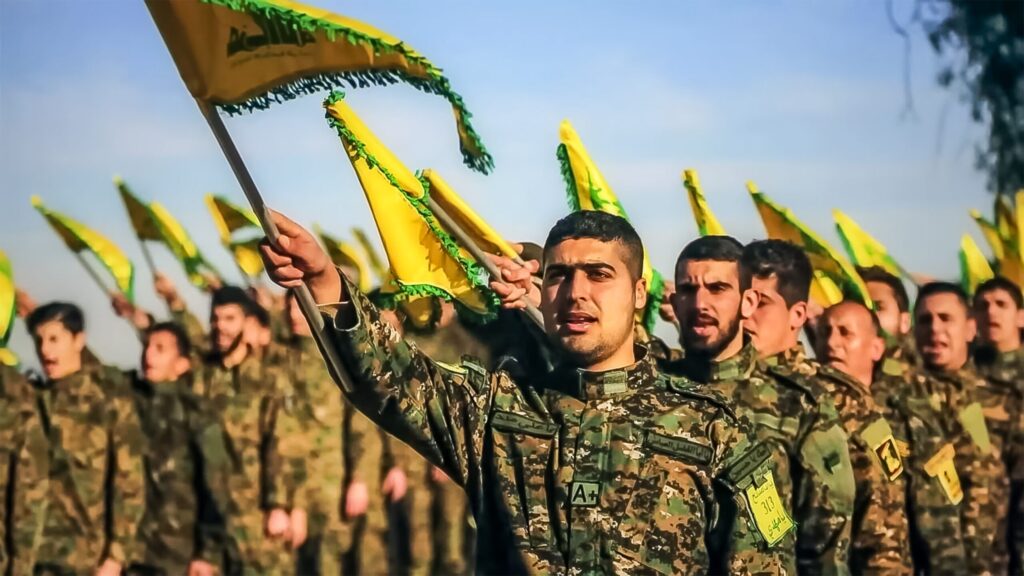
Their practical execution remains contingent upon whether Hezbollah chooses to launch retaliatory missile salvos against Israel in response to potential American or Israeli strikes against Iran. Washington made clear to Lebanese leaders that any intervention by the terror group would invite an immediate Israeli reaction targeting deep strategic infrastructure rather than localized border targets.
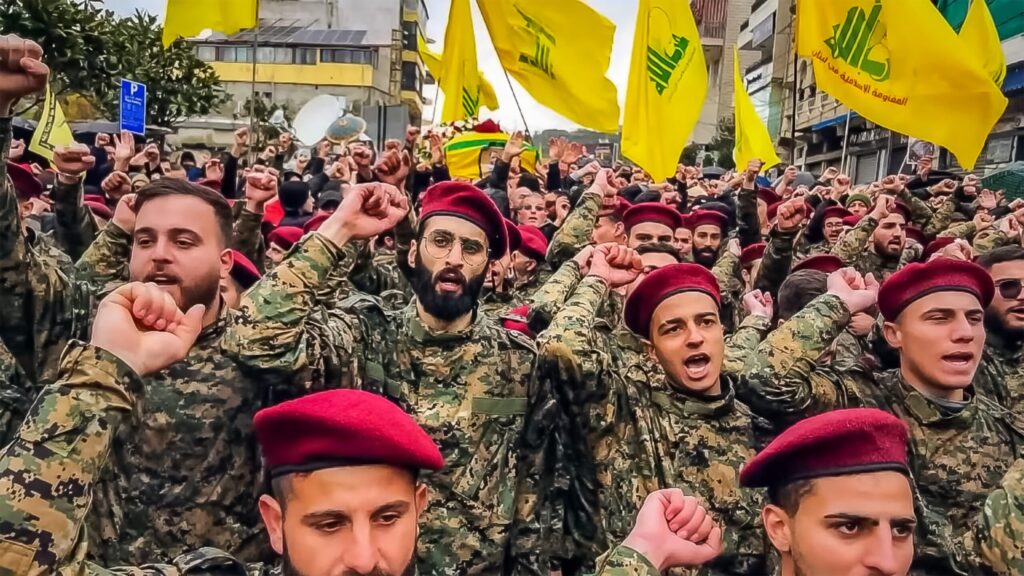
Sources noted there is currently no official confirmation that U.S. President Donald Trump has granted Israel an unconditional authorization to proceed with such deep territorial maneuvers. Lebanese state officials reportedly transmitted the contents of the American initiative directly to Hezbollah’s leadership.
 2+
While the terror organization has raised defensive alerts, missile battery deployments, and counter-mobility preparations in anticipation of maneuvers crossing current deployment lines, internal assessments within Hezbollah view the threats as calculated psychological pressure intended to force concessions from Tehran during international negotiations over its nuclear infrastructure. The operational frameworks also account for how the military is distributed.
Should the Israeli Air Force be heavily concentrated on long-range strategic strikes against nuclear and military targets inside Iran, the Israeli Navy would assume a primary tactical role in the Lebanese theater, conducting deep coastal bombardments while maintaining a tight naval quarantine along Lebanon’s coastline.