



Russian spy satellites operated over oil facilities and military bases in Saudi Arabia in the days before dozens of precise attacks by the Houthis and pro-Iranian militias, according to an investigation published by the Associated Press. The probe, based on data from a private intelligence firm and testimony from regional sources, raises suspicions that Russia supplied intelligence that helped Iran’s proxies strike strategic infrastructure in the kingdom.


 2+
The geospatial intelligence company, based in Geneva, examined 40 missile and drone attacks carried out by the Houthis in Yemen and Iranian-backed militias in Iraq between July 1 and October 19. In every case, activity by Russian government and military satellites was detected over the targeted areas in the days before and after the attacks.
“What we found is a 100% match,” said Nawaf Obaid, the company’s founder. According to him, the activity pattern points to the possibility of using Russian satellite intelligence to plan the strikes, though no direct proof of intelligence transfer was presented.
 2+
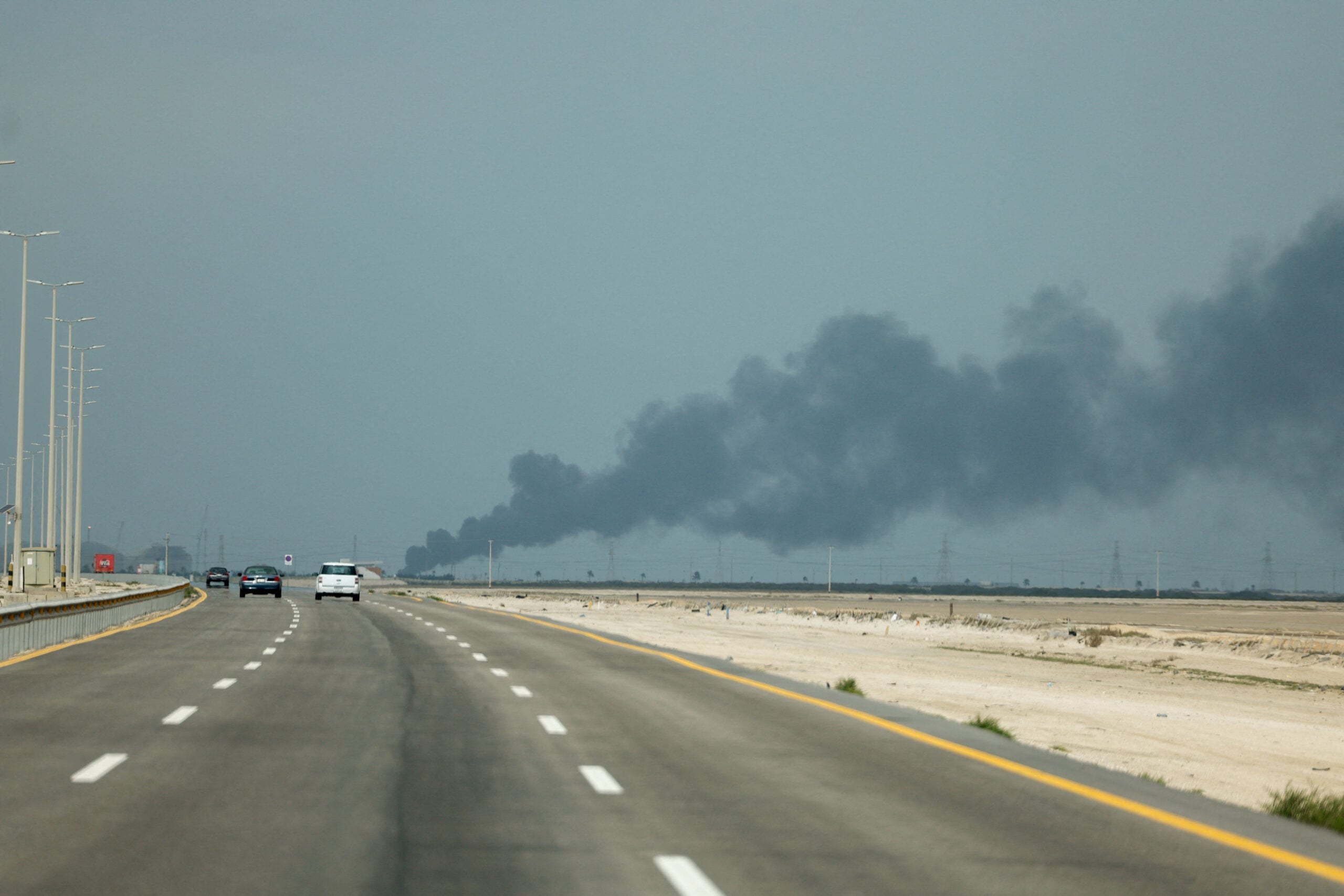
According to the investigation, one of the most significant attacks occurred on September 10, when drones launched from Iraq struck three central pumping stations on the oil pipeline crossing Saudi Arabia from east to west. The strike shut down oil flow in the pipeline, which stretches about 1,200 kilometers and serves as a vital route for oil exports through the Red Sea—especially against the backdrop of Iranian threats to shipping in the Strait of Hormuz.
Additionally, the intelligence firm reportedly identified 11 Russian satellites that focused on areas where the pumping stations are located starting in July. The number of passes over the targets increased in the weeks leading up to the attack, particularly in the hours immediately before it.
 2+
Three sources, including a Saudi official and a senior Houthi figure, told AP that the Houthis and other Iranian-backed organizations benefited from Russian intelligence and Chinese capabilities. According to the report, Iranian advisers deployed in the field analyzed the information and passed it to organizations operating in the region.