


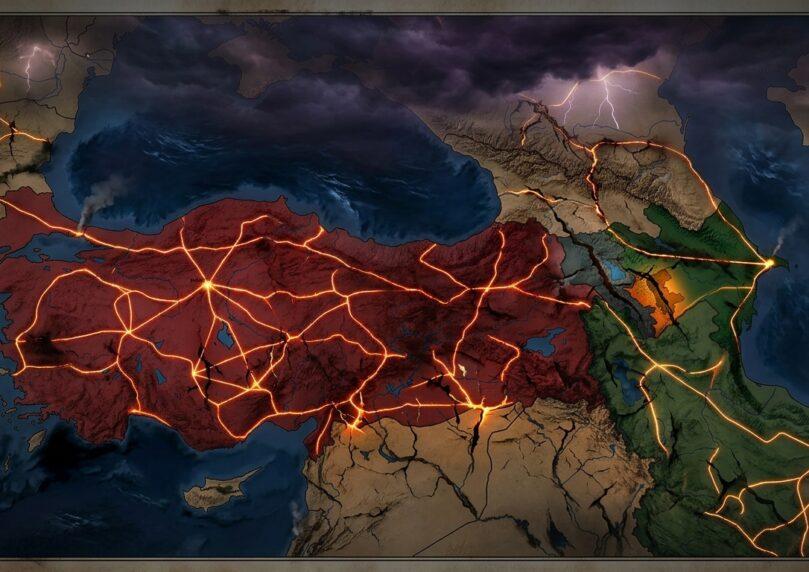

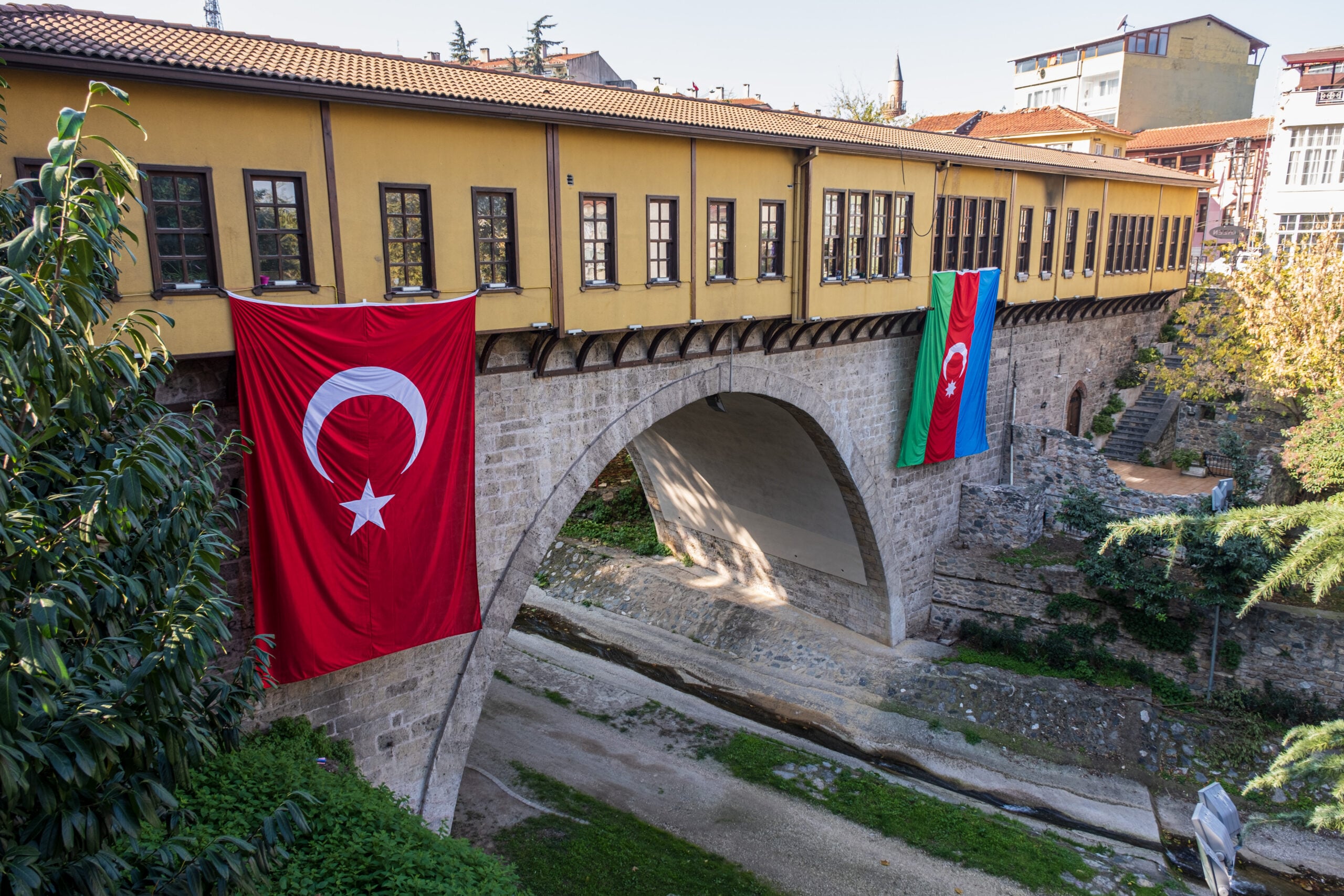
Relations between Turkey and Azerbaijan are facing a real test. The two countries that spent the last two decades championing the slogan “one nation, two states” as a model for bilateral ties are now approaching a low point in what seemed like an unshakeable bond.

 2+
The current storm erupted after Azerbaijan banned wearing the veil (hijab) in its schools—a decision that didn’t go over well on the Turkish side. Following the move, harsh accusations flew between the countries over the weekend, with Azeri sources claiming Turkish Foreign Minister Hakan Fidan is trying to advance Turkish initiatives that interfere in Azerbaijan’s internal affairs and even support a military coup there. Turkish officials firmly denied the allegations.
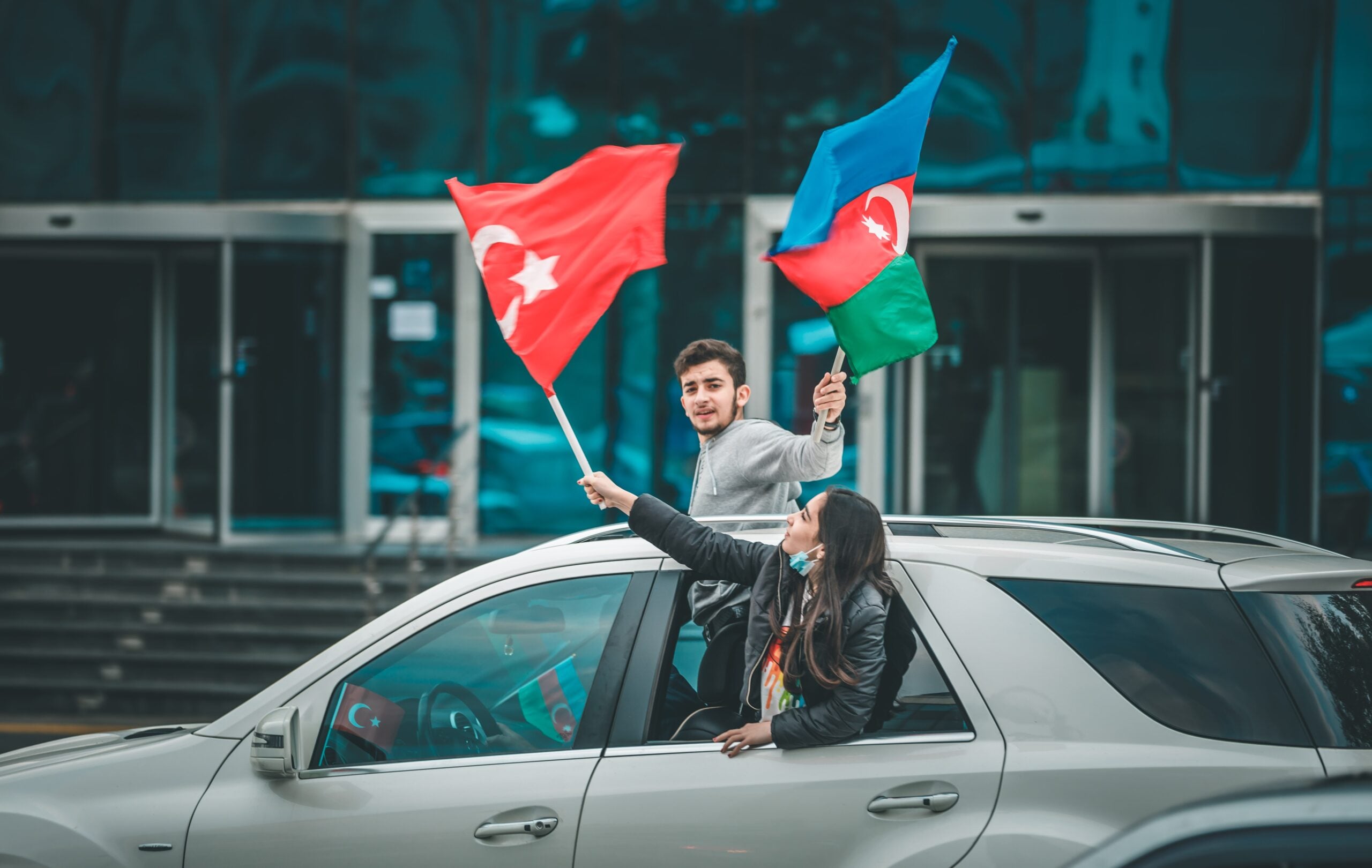
Things got bad enough that Erdoğan himself decided to calm the flames, publishing an elaborate greeting to the Azeri people for their Independence Day on Sunday: “On behalf of my state and my people, I convey my warmest congratulations to Azerbaijan, our friend and sister, on the occasion of regaining its independence, and send my greetings to my brother President Ilham Aliyev and to my Azerbaijani Turk brothers, with whom we always share sorrow and joy.” In Turkey and Azerbaijan, they understand the story doesn’t end here. The dispute over the hijab law still hasn’t completely cooled and has even brought up past disagreements that stayed under the rug.
 2+
In Turkey, they started accusing Azeri President Aliyev of trying to erase Turkish assistance from the national consciousness. This claim refers to Turkey and Azerbaijan’s joint war against Armenia in 2020, when they liberated the Karabakh region from Armenia and returned it to Azerbaijan. In Turkey, they accused Aliyev of saying in his speech earlier this month that Azerbaijan won the 2020 war by its own forces alone, without mentioning Turkey at all.
The internal struggle didn’t stop at relations between the countries—it also revived the dispute over attitudes toward Israel. In the last three years, the stance on Israel has become one of the fundamental differences between Turkey and Azerbaijan. While Erdoğan frequently calls Israel a perpetrator of genocide and even called Netanyahu “the modern Hitler,” Azerbaijan has stood by Israel since the massacre and even strengthened security ties with Jerusalem. Additionally, Turkey angrily noted that the Azeri representative didn’t walk out during Netanyahu’s speech at the UN conference last month.
 2+
But it doesn’t end there. Additional Turkish sources claimed in various media outlets that Azerbaijan isn’t to blame for the recent escalation—rather, two other countries want to cause conflict: Armenia and Israel. A Turkish commentator told Arab media: “I estimate that Israel has a great interest and hand in this, as it wants to turn Azerbaijan into a forward base against Iran and against Turkey—and this is something Ankara must be vigilant about.”
It appears the hijab law was just the tip of the iceberg in the developing conflict between Turkey and Azerbaijan. Commentators in various Middle Eastern media outlets believe the real stamp confirming the crisis officially exists will come at the end of the month, when Turkey marks the anniversary of the founding of the republic, and the next day hosts the Turkic States summit in Ankara. Azeri President Aliyev, whose language is very similar to Turkish, is expected to attend both events—his attendance would signal overcoming the disputes, while his absence would mark the two countries entering a deep crisis.