




On the night of August 18, 2026, Israeli Air Force fighter jets struck the Abu al-Duhur military airfield in Syria’s northwestern Idlib province, marking a dramatic shift in Israel’s strategy on the Syrian front. The airfield lies approximately 60–70 kilometers from the Turkish border and roughly 300 kilometers from Israel. According to Syrian military sources, approximately eight strikes hit runways and storage facilities, damaging infrastructure at the site.
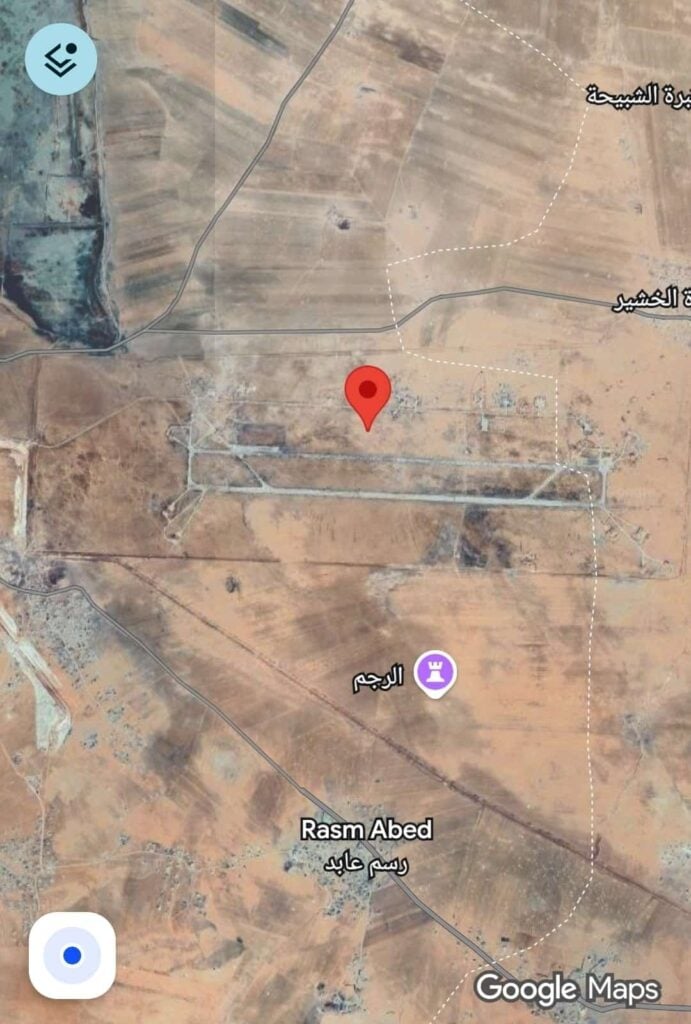

The airfield, which had been out of service since 2013, has served as a training center for Syria’s new military since the fall of the Assad regime in late 2024 and had undergone rehabilitation with Turkish assistance. Israel officially confirmed responsibility for the attack in a statement from the Prime Minister’s Office, saying Israel and Syria had agreed to maintain a security status quo that Damascus was preparing to violate by allowing Turkish forces to deploy at an air base near Aleppo.
Israel said it had repeatedly warned Syria that such a deployment would threaten its security, but Damascus chose to ignore those warnings. “Israel will not tolerate threats to its security and would welcome a return to the status quo,” the statement said. Israeli officials also said sensitive intelligence concerning the operation had been shared with the United States in advance.
🚨 عاجل | ادلب :
📌طيران الاحتلال الإسرائيلي استهدف فجر اليوم مدرج مطار أبو الظهور العسكري بريف إدلب الشرقي بـ 8 غارات
📌الاعتداء أسفر عن أضرار مادية في بنية المطار دون وقوع إصابات
مراسل الإخبارية عن مصدر عسكري pic.twitter.com/3E5NqsFhEq
— Omar Alhariri (@omar_alharir) August 18, 2026
The attack marked the first strike of its kind against military assets belonging to Syria’s new government since March 2026. It comes amid mounting Israel-Turkey tensions over Ankara’s expanding influence in post-Assad Syria and Israeli concerns that a Turkish military presence could threaten its freedom of aerial operations. Turkey was among the first countries to issue a sharp official condemnation of the strike, calling on the international community to take a firm position.
“We strongly condemn the airstrikes carried out by Israel against the Abu al-Duhur military air base,” the Turkish Foreign Ministry said. “Israel continues its reckless attacks targeting Syrian infrastructure and capabilities, violating its territorial integrity and unity.” Turkish Parliament Foreign Affairs Committee chairman Fuat Oktay called the strike a “blatant violation of Syrian sovereignty” and warned of further regional escalation.
🚨 عاجل | ادلب :
📌طيران الاحتلال الإسرائيلي استهدف فجر اليوم مدرج مطار أبو الظهور العسكري بريف إدلب الشرقي بـ 8 غارات
📌الاعتداء أسفر عن أضرار مادية في بنية المطار دون وقوع إصابات
مراسل الإخبارية عن مصدر عسكري pic.twitter.com/3E5NqsFhEq
— Omar Alhariri (@omar_alharir) August 18, 2026
Ankara rejected claims that it intended to deploy forces at the base and insisted that its activities in Syria were being conducted legally and in coordination with the Syrian government. The condemnation quickly spread across the Arab world. Syria’s Foreign Ministry denounced the strikes as an “unjustified act of aggression” and a blatant violation of its sovereignty.
Saudi Arabia condemned the attack “in the strongest terms,” describing it as a violation of international law and expressing full solidarity with Syria. Egypt warned that continued violations could undermine efforts to stabilize Syria and the broader region, while Qatar, Jordan and Kuwait joined the condemnations, emphasizing what they described as a violation of Syria’s territorial integrity.
Meanwhile, U.S. Special Envoy for Syria Tom Barrack called the Israeli strike an “unnecessary escalation that does not contribute to regional stability” and warned that it risked triggering a direct confrontation with Turkey.
The strike underscores an increasingly difficult collision of interests in post-Assad Syria: Israel is drawing a new security red line against Turkish military entrenchment, while Turkey, Arab governments and even Washington are pushing back against how Jerusalem has chosen to enforce it.