



Senior officials across the Arab world are warning that war between the United States and Iran could reignite, with devastating consequences for the entire Middle East. The concerns surfaced during the Aswan Forum for Peace and Development held last weekend in Egypt, The National reported today.
Two senior Arab officials who attended the conference told the newspaper they believe fighting between the two sides will resume. “I hope I’m wrong, but I believe a full-scale military confrontation between Iran and the U.S. will break out again,” one official said. “The signs point in that direction, and the impact will be devastating for all of us.”
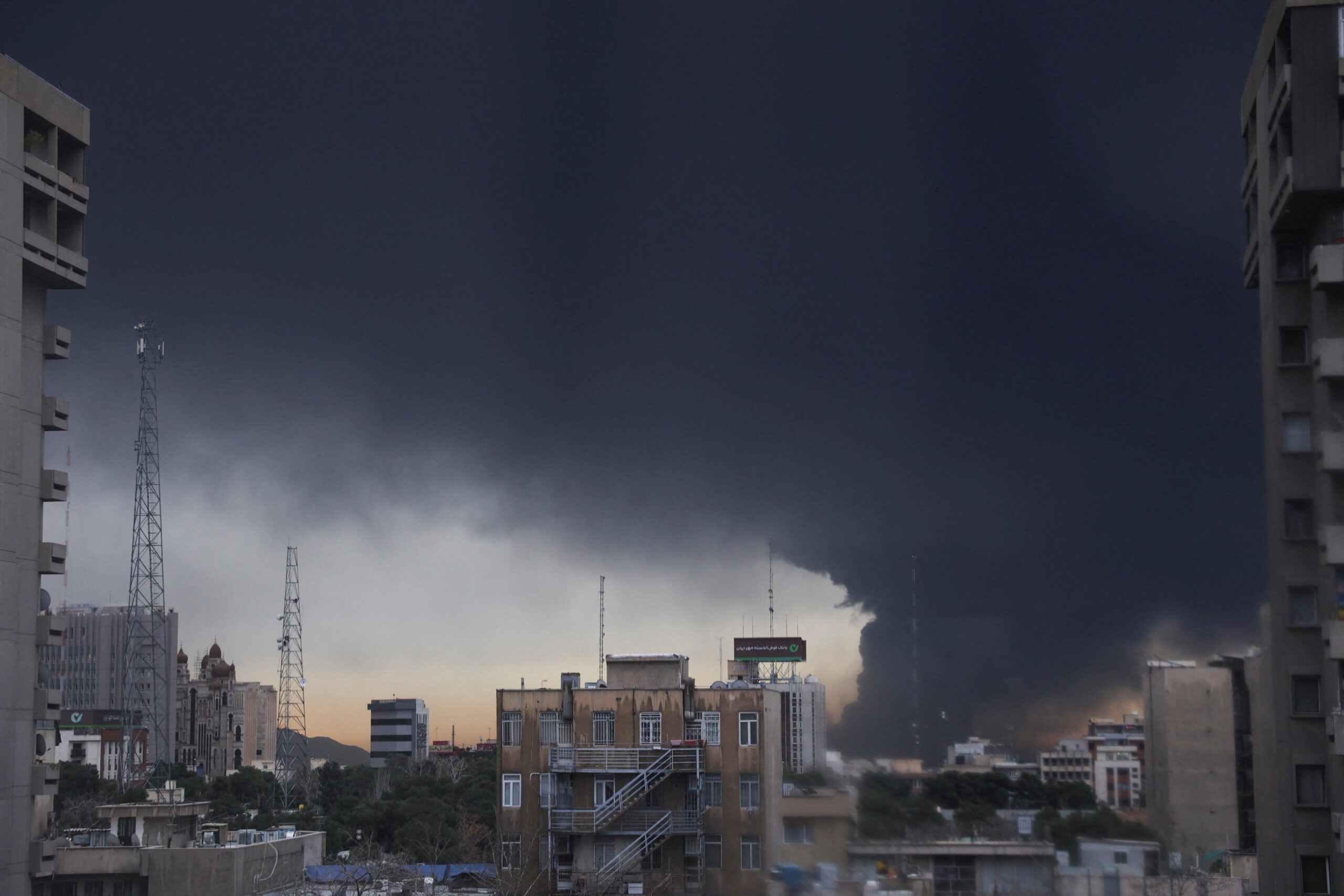
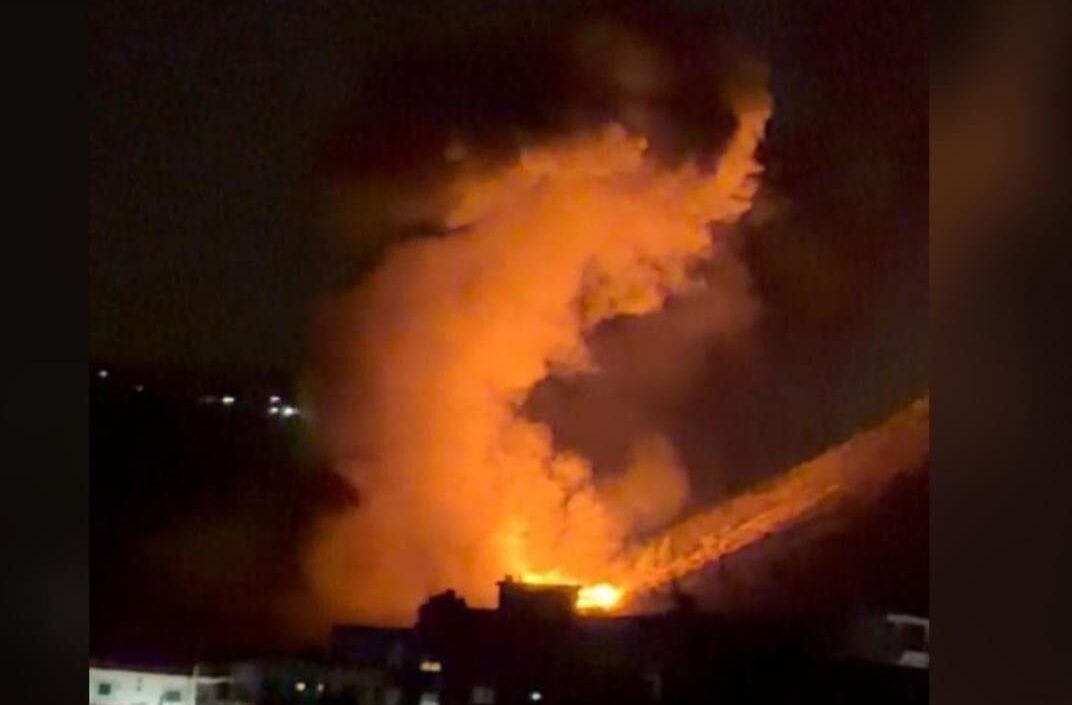
Another Arab diplomat warned that renewed fighting wouldn’t just affect Gulf states—Lebanon and Gaza could become battlegrounds again in the regional conflict.
U.S. Midterm Results May Influence Trump’s Decision
Alongside fears of renewed war, the diplomat suggested that the results of the U.S. midterm elections, in which Democrats won control of both houses of Congress, could slow the march toward another confrontation.


 1+
“The Americans spoke in the vote. They clearly said no to war,” the diplomat argued, adding that the election results are expected to have a significant impact on President Donald Trump’s decisions.
Meanwhile, Trump warned Tuesday that Democrats could cut funding for the war with Iran when they take office in January, turning what he called a military victory into defeat. In an interview with the New York Post, the president noted that funding for the military campaign is secured through the end of January.
Fears of Broader Regional Escalation
During the conference, participants also addressed the situation in Gaza, Lebanon, and Syria, as well as threats to strategic shipping routes in the Middle East.
 1+
Egyptian Foreign Minister Badr Abdelatty called for dialogue with Iran and stressed that the security of Egypt, the Gulf states, and regional countries are interconnected. Discussions also raised concerns that instability in the region and damage to shipping routes would impact supply chains, energy markets, and the global economy.