


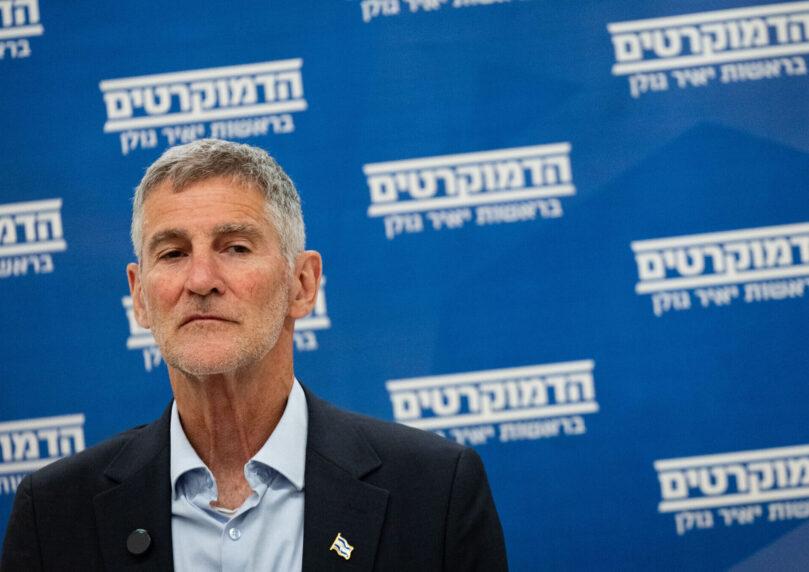

As the time remaining for Gadi Eisenkot’s mandate runs out, the bloc he led is beginning to fall apart. The far-left Democrats party announced this evening (Tuesday) that, in light of ongoing talks to form a unity government with Netanyahu, they are halting discussions with the Yashar party.
Yair Golan stated: “Given the progress in contacts to form a unity government with Netanyahu, the agreements reached with the Likud regarding the establishment of a ‘consensus committee’ on the judicial overhaul, and the simultaneous deadlock in negotiations to form a ‘change’ government—the Democrats party is announcing the termination of talks with the Yashar party.”
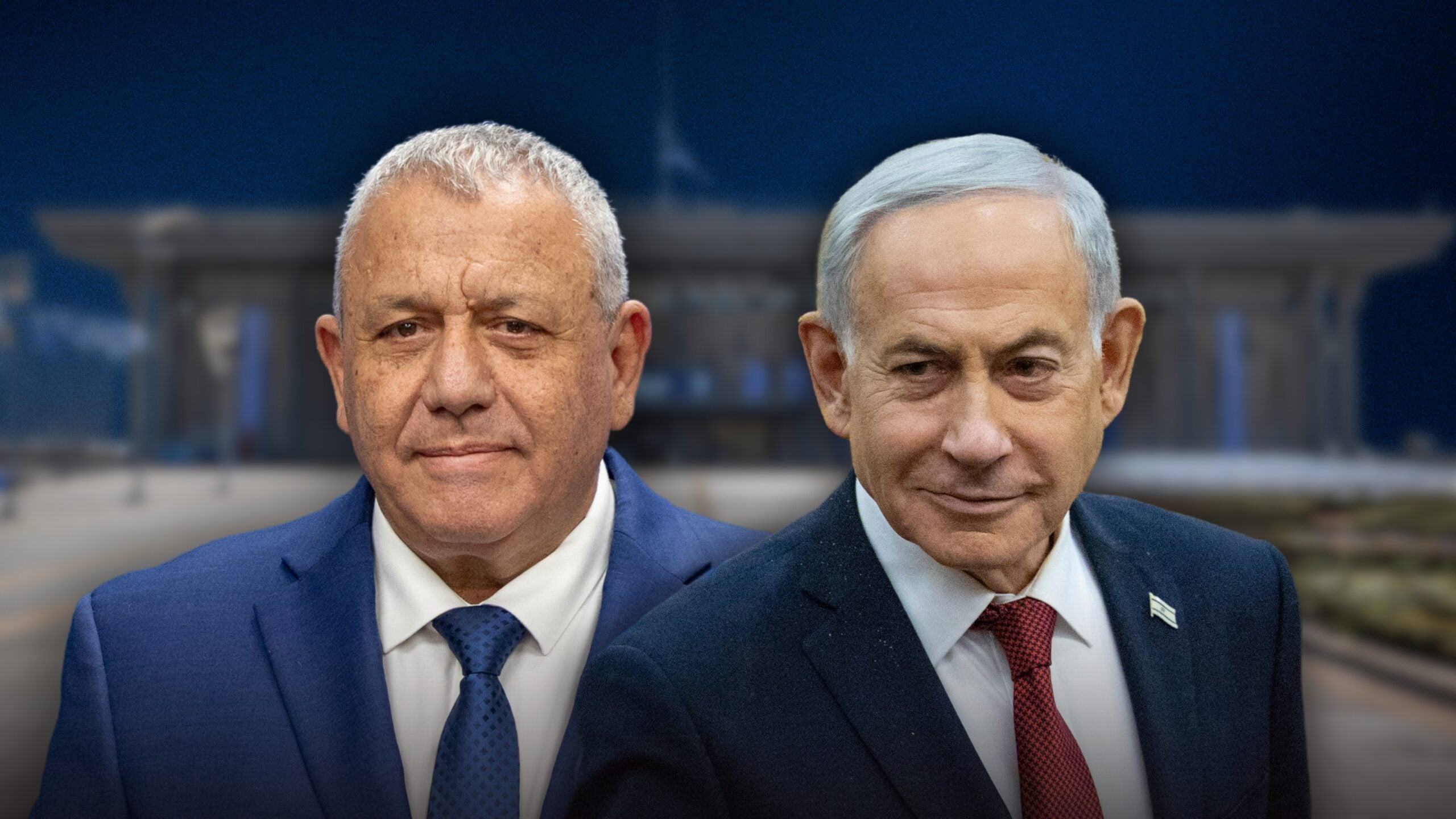
This announcement from the Democrats may indicate that its members are already deep into election campaign mode, laying the groundwork for a repeat election in which they intend to position themselves as the most hardline faction within the left-wing bloc against Netanyahu. However, our correspondent Moti Katsel reports that the Likud suspects this is merely a continuation of the charade—an attempt to “lull” the right-wing bloc into a false sense of security, now that the secret channel between United Torah Judaism and Eisenkot has been brought out into the open.
The Negotiations Marathon Continues
Yair Golan’s party announced the suspension of talks with “Yashar” shortly after the negotiating teams for Likud and Yashar had stated they would meet again tomorrow—an attempt to advance the formation of a unity government, following a previous round of talks that concluded without a breakthrough or any substantive agreements.
Yashar emphasizes that, from their perspective, the clock is ticking. The party’s chairman, Gadi Eisenkot—who holds the mandate to form a government—aims to reach a decision by the beginning of next week. Eisenkot has no interest in stalling or engaging in endless rounds of negotiations; he is pushing both sides to reach clear understandings: are they moving toward a unity government—and on what basis?—or have the talks run their course, necessitating a shift toward other alternatives?
Within Likud, however, the sentiment is entirely different. Party sources claim that it is Yashar that is wasting time, and that despite declarations of a desire for unity, no real progress has been made. Likud points out that during recent meetings—which lasted for many hours—the parties discussed issues such as the military conscription law, the establishment of a state commission of inquiry into the events of October 7, and the future of judicial legislation. Yet, they failed to bridge their gaps, nor did they receive clear answers from Yashar regarding the feasibility of finalizing a deal.