


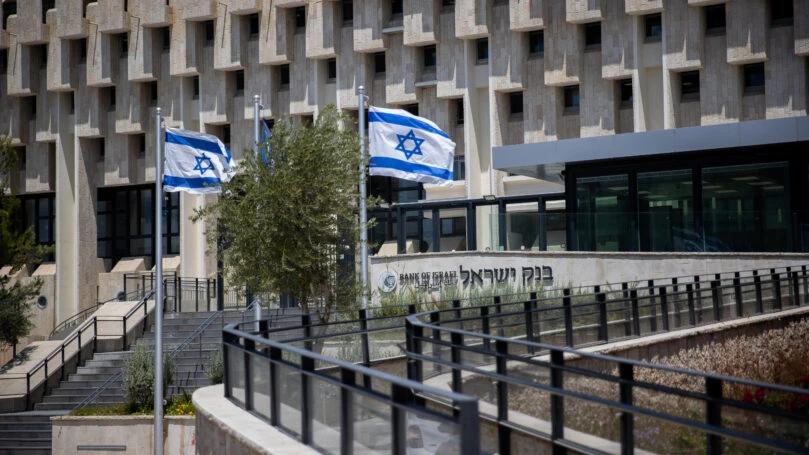
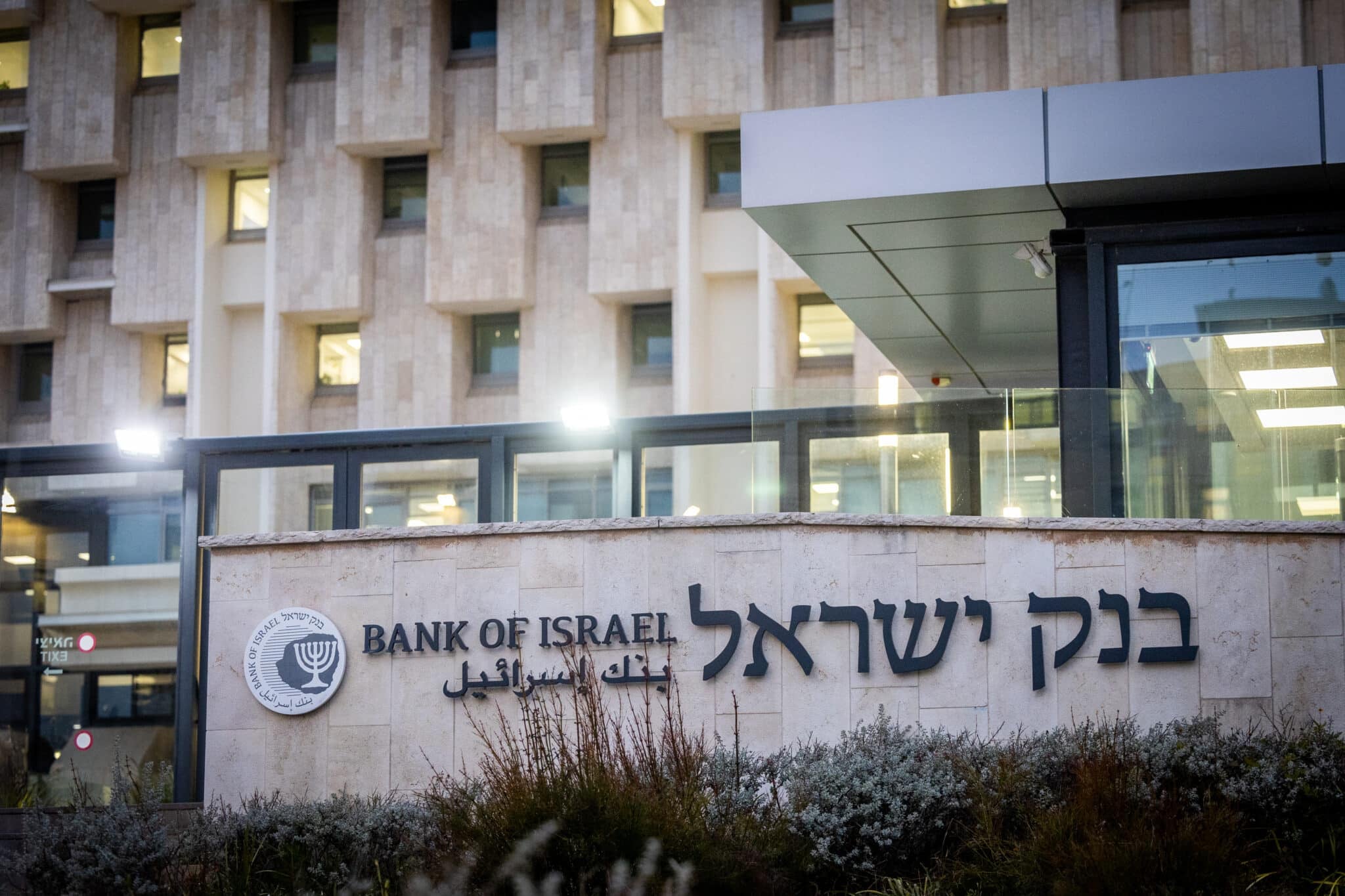
The Bank of Israel’s Monetary Committee decided on Monday to leave the interest rate unchanged at 3.25%. Accordingly, the prime rate will also remain at 4.75%. The decision comes against the backdrop of interest rate hikes worldwide and a strengthening dollar, despite moderating inflation in Israel.
The committee faced a complex dilemma. On the one hand, inflation in Israel fell more sharply than expected in October, reaching an annual rate of just 1.1%. That is its lowest level in about five and a half years and among the lowest in the world, which seemingly provided room to cut rates. On the other hand, the interest rate gap between Israel and the U.S. is expected to widen, given the near-certain probability of another rate hike by the U.S. Federal Reserve in December, to 4.25%. That would be a full percentage point above Israel’s current rate.
A dramatic strengthening of the dollar
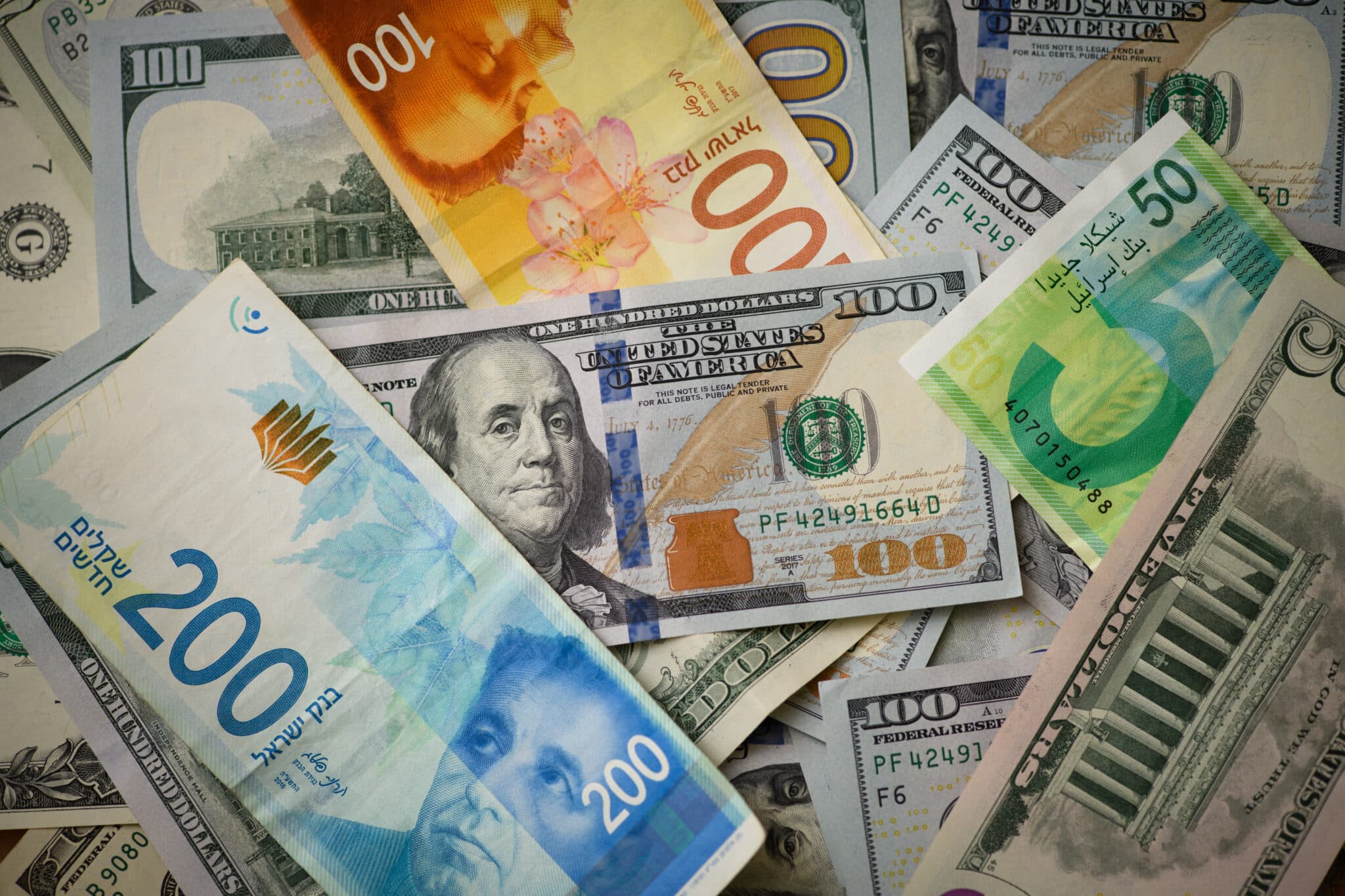
Added to this is the weakening of the shekel against the dollar, which has intensified since the elections, partly because of political concerns and market turmoil. Interest rate gaps between countries affect capital flows and exchange rates: a higher rate can attract foreign investment and support a stronger local currency. Conversely, a wider rate gap with the U.S. could increase pressure on the shekel and make it harder for it to strengthen.
The current decision is the last of 2026, with the next rate decision expected on January 4, 2027. In total, Israel’s interest rate has fallen by one full percentage point since the beginning of the year and by 1.5 percentage points since the May 2023 peak.