


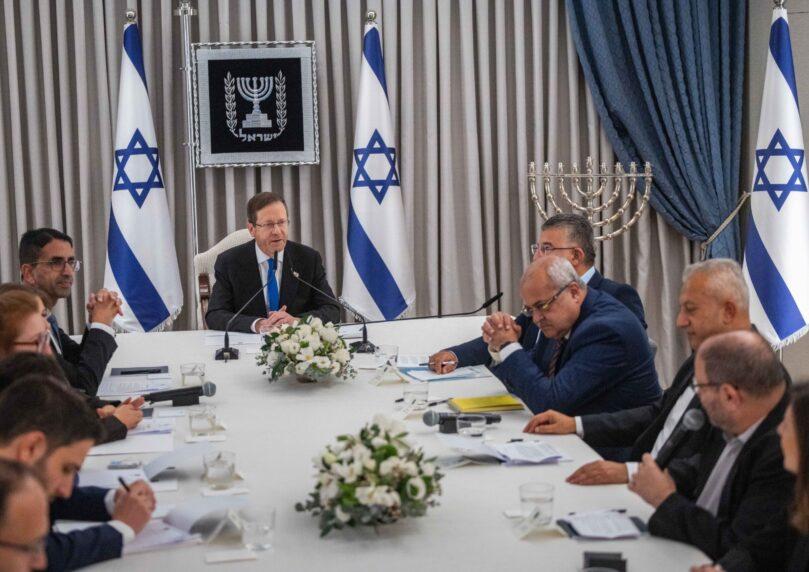

Waves of antisemitism sweeping Europe are reviving questions about Israel’s role as the nation-state of the Jewish people. At the same time, the possibility of forming a government reliant on 19 Knesset members from Arab parties is sparking fierce controversy: Is this legitimate political partnership or a move that could undermine Israel’s Jewish character and security policy?
While antisemitism surges across Europe, Israel is locked in a sharp public debate over the implications of a government dependent on 19 Arab party lawmakers and its impact on the state’s Jewish identity. The combination of external security threats and internal political tensions places Israeli society at a dramatic crossroads.

 1+
As Jews in major European cities are forced to hide markers of their identity for fear of attacks amid rising waves of hatred, Israel’s public debate centers on national resilience and the meaning of independent Jewish sovereignty. For large segments of the public, the very idea of a coalition politically dependent on non-Zionist parties is seen as a direct threat to the future of the Zionist enterprise and a danger to the state’s moral and security compass. Relying on the votes of Knesset members who refuse to unequivocally condemn terrorist organizations or who oppose the state’s Jewish character legitimizes hostile elements within decision-making centers. A government dependent on a safety net or coalition partnership from these parties would be constrained in its ability to act decisively against security threats from within and without, leading to ongoing erosion of national symbols, the Law of Return, and Israel’s status as the nation-state of the Jewish people. In an era when Diaspora Jews face growing harassment in Europe, Israel must project uncompromising Jewish strength—not hand the keys to its political existence to representatives who don’t share the Zionist vision.
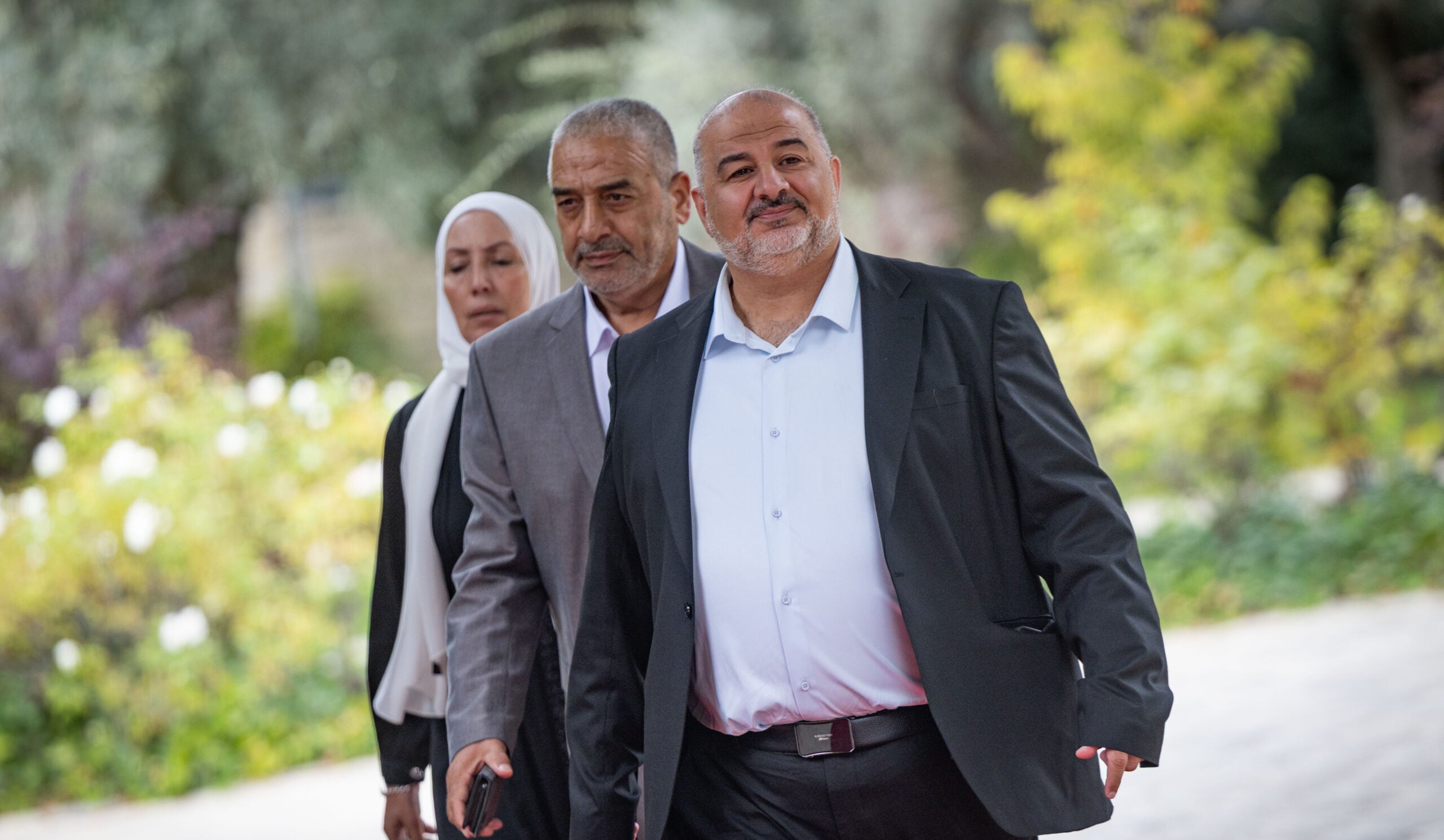
The left presents an opposite picture, arguing that in a democratic state there are no second-class citizens or voters. According to them, wholesale exclusion of representatives of roughly one-fifth of the state’s citizens from the political game under a blanket label of “supporting terror” is what damages the values of the Declaration of Independence and Israel’s internal resilience. They argue that civic partnership and parliamentary influence by Arab parties—as Ra’am chairman Mansour Abbas seeks to advance for budgets and fighting crime—actually strengthen internal stability and prevent radicalization and alienation.
 1+
Ultimately, the tension between fear of losing sovereignty and Jewish identity and the aspiration for civic inclusion and governmental stability continues to shape Israel’s political reality. While one side sees the 19 mandates of the Arab parties—supporters of terror—as an existential danger that will weaken and even endanger the state against its enemies, the other side views their inclusion as a democratic necessity that will enable the formation of a functioning government. The decision on this question doesn’t just affect the composition of the next coalition—it reflects a deep dispute over the character, boundaries, and values of the State of Israel in the coming decades.
The entry of Arab Knesset members who support terror into Israel’s decision-making center doesn’t happen in a vacuum. It cannot be examined separately from the rise of radical and jihadist Islam in Europe and the growing waves of antisemitism worldwide. We must stand firm and forcefully oppose the entry of terror supporters whose declared and open goal is to penetrate the heart of Israel’s Knesset decision-making mechanism and, from within, work to erase Jewish identity, legitimize the right of return, and enable radical Islamic elements to take control of the State of Israel.