



For years, Iran threatened the world economy by threatening to close the Strait of Hormuz, wielding that weapon proudly as the self-styled bully of the Middle East. On April 13, the tables turned. The U.S. launched Operation “Economic Fury” against Iran, imposing a naval blockade on Iranian ports and the Strait of Hormuz. The result? Direct economic, military, and political damage to the Iranian regime.

 2+
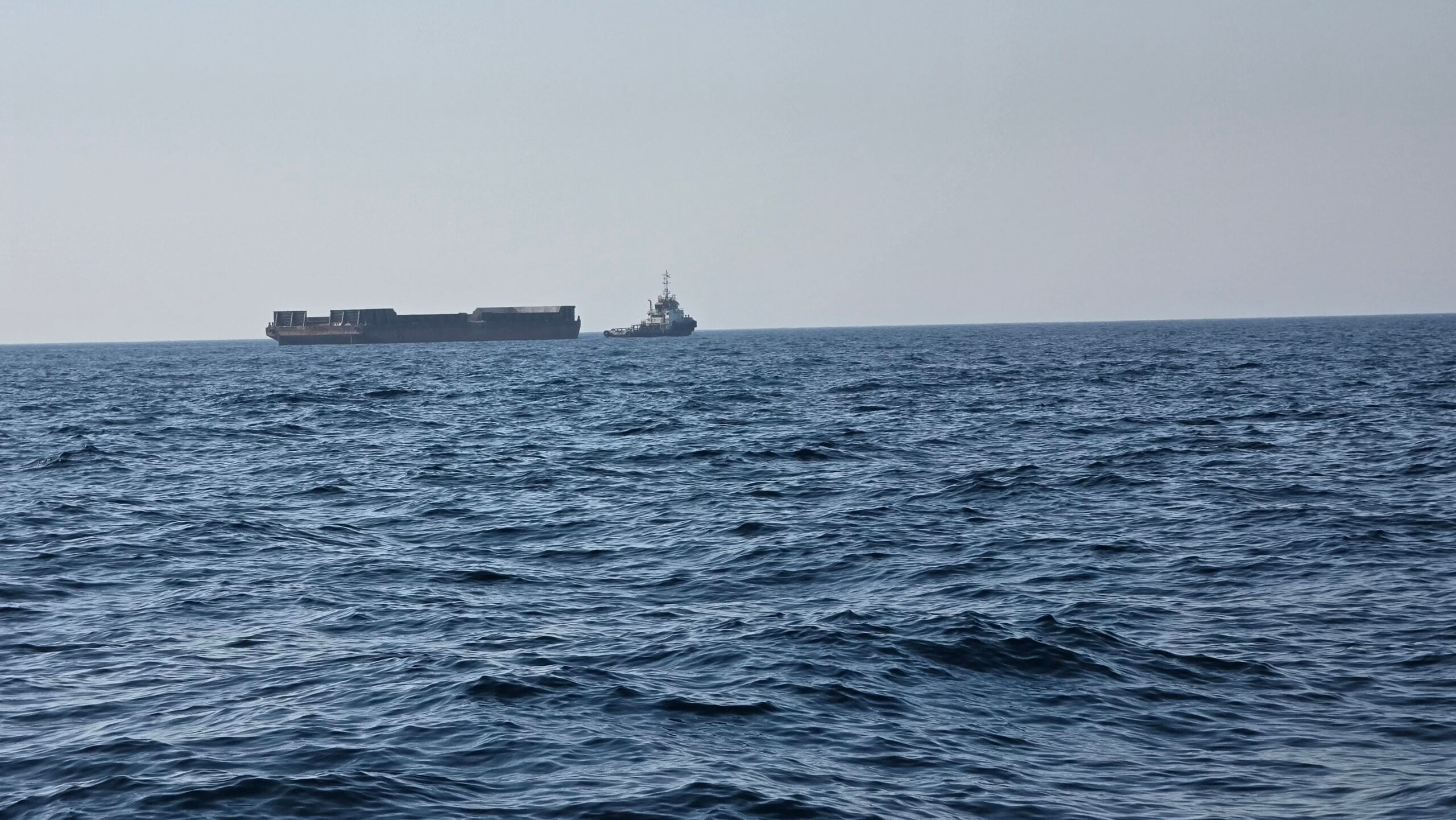
Economically, less money is flowing into state coffers as Iranian oil exports are blocked. Militarily, critical components for building missiles and drones are being kept out through supply routes that had served that purpose until now. The naval blockade has also caused a severe fuel shortage in Iran. As a result, Iran has begun implementing rolling blackouts across the country, lasting at least two hours every other day. This situation is generating enormous frustration among the exhausted Iranian public, which already wants to break free from the grip of the extremist and murderous regime holding it captive.
The headline describing our current situation with Iran—”war on hold”—also reflects the outcome President Trump sought to achieve by placing Iran on the horns of a dilemma, giving it a choice between two options: breaking point and going to war, with Iran firing the first shot, or waiting until some military move is made against it. In both cases, Iran will absorb severe blows. Still, the second option—waiting—also brings devastating economic damage that affects social, political, and policy processes serving the Israeli-American goal: toppling the regime. Therefore, as long as Iran continues to wait and doesn’t attack first, the U.S. and Israel benefit from the continued economic stranglehold on the ayatollahs’ regime, which I estimate is destined to collapse.
 2+
But now Iran is showing the first signs of desperation and appears to be on a fast track to losing the war over time and entering total confrontation—this time with Iran placing the U.S. and President Trump in the horns of a dilemma. How exactly, you ask?
The Revolutionary Guards’ Goal – Breaking the Blockade
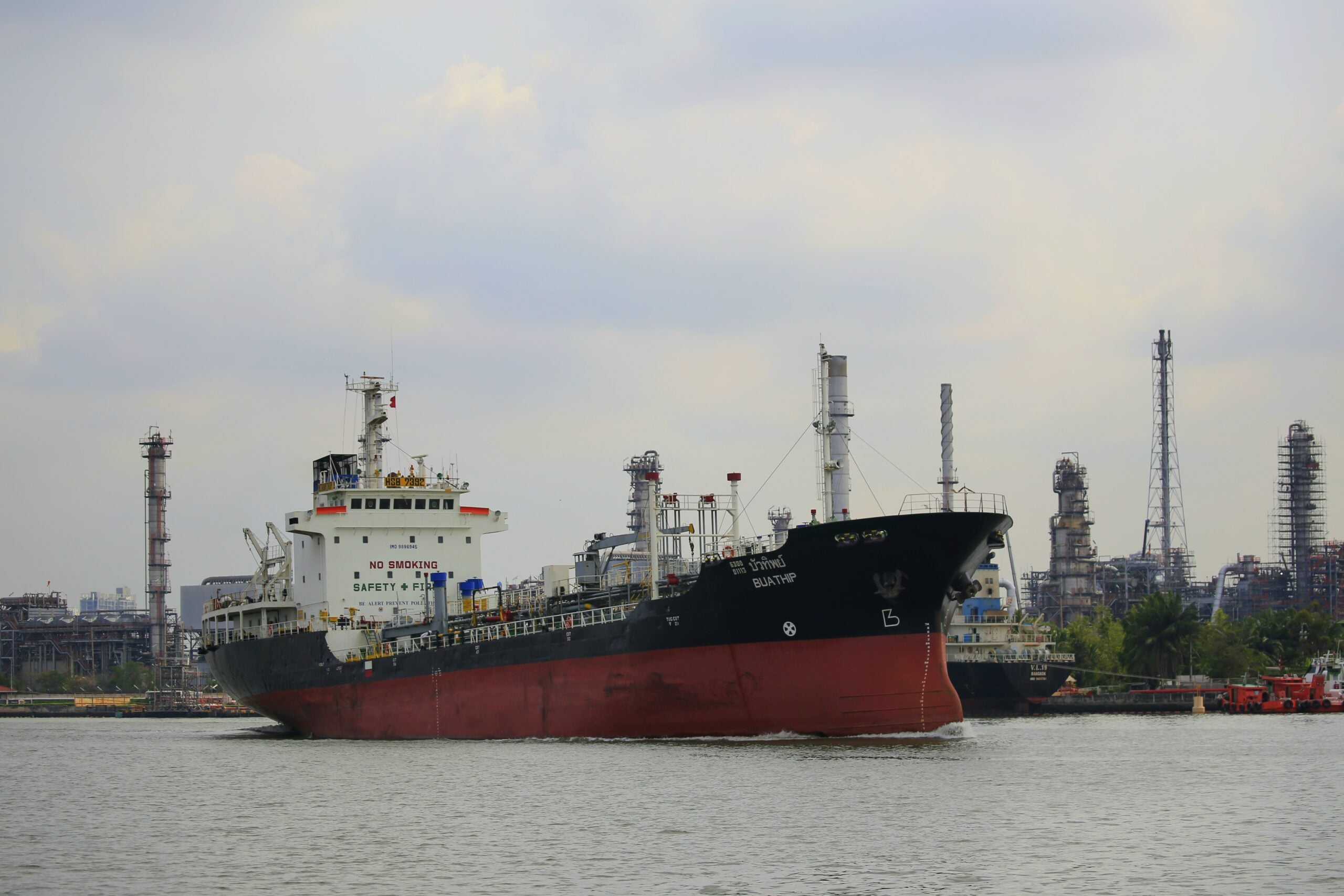
According to reports published in Iran, more than 14 oil tankers have gathered around Kharg Island, where they were loaded with oil and hoisted Iranian flags. From there, the plan is for the tankers to cross the Strait of Hormuz in a convoy and attempt to break the American blockade in the Persian Gulf. They would then continue to the Gulf of Oman, and from there to Asian markets, most likely China, Iran’s main oil purchaser.
Such a move could very well lead to a frontal confrontation between Iran and the U.S. President Trump addressed the issue this evening on FOX NEWS: “Iranian ships that try to break the blockade will meet the same fate as the rest of the Iranian fleet at the bottom of the sea.” The Fars news agency, which is close to the Revolutionary Guards, warned against harming the Iranian tanker convoy and claimed that Iran’s response would be to attack energy facilities in Saudi Arabia, the United Arab Emirates, Qatar, Kuwait, Oman, and Bahrain.
 2+
And there you have a situation that could spiral out of control. Israel is closely monitoring the move and is in tight security and intelligence coordination with U.S. Central Command, “CENTCOM,” whose commander, Brad Cooper, visited Israel just last week and met with Chief of Staff Zamir and the heads of the security establishment. Should Iran choose to drag the region into confrontation, Israel and the U.S. have very precise operational plans for dealing with the threats posed by Iran to the region.
Meanwhile, the rumor mill in the media and on social networks regarding war with Iran hasn’t stopped, and every weekend it seems to Israeli citizens that now is the time. I’ll tell you this: A strike on Iran is, in my opinion, a done deal. It will indeed happen. When? Exactly when operational conditions ripen—that is, when it can be assessed with a high enough level of certainty that the move will succeed, not fail.