


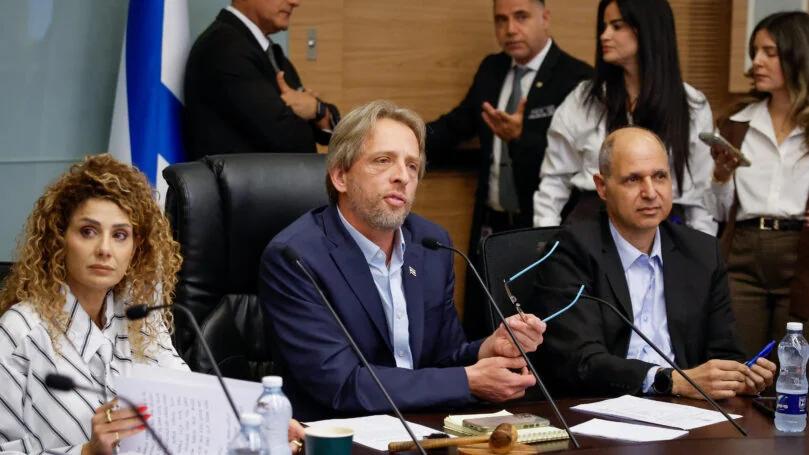

A series of senior appointments in the 26th Knesset was advanced today (Monday) as part of a collaboration between the “Change Bloc” parties and the Arab factions, amid intense confrontations with representatives of the Right. The Arrangements Committee recommended that the Knesset plenum elect nine temporary Deputy Speakers of the Knesset—including Ahmad Tibi and Walid Taha—with 13 members voting in favor and eight against.
Concurrently, the temporary Finance Committee elected Liran Avishar Ben-Horin as its chair, while the temporary Foreign Affairs and Defense Committee elected Avigdor Liberman as its chair. The Right attacked this political cooperation with the Arab parties, whereas the Change Bloc maintained that it was merely a standard parliamentary distribution of roles.
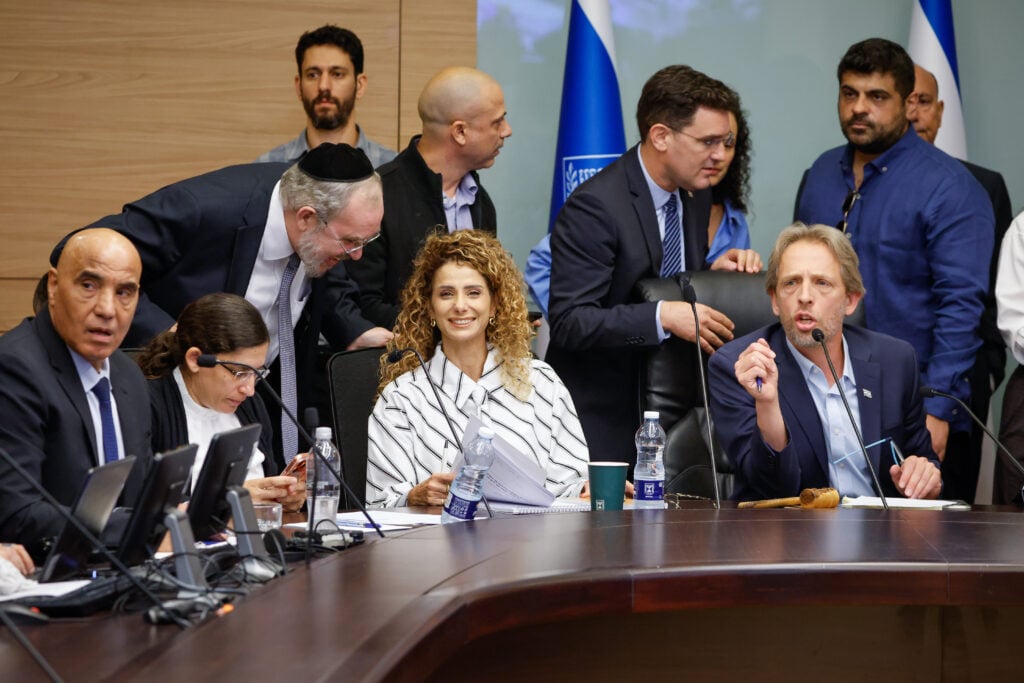
The Arrangements Committee, chaired by MK Roi Folkman, recommended that the Knesset plenum elect nine temporary Deputy Speakers: Eitan Ginzburg (Yahad), Yair Fink (The Democrats), Oded Forer (Yisrael Beiteinu), Walid Taha (Ra’am), Ahmad Tibi (Joint List), Yitzhak Pindrus (United Torah Judaism), Yaakov Bardugo (Likud), Limor Son Har-Melech (Otzma Yehudit), and Michael Malkieli (Shas).
The decision was reached following a stormy debate, with 13 Knesset members voting in favor and eight against. The list will be submitted to the Knesset plenum for approval, and the tenure of the interim Deputy Speakers will conclude once permanent Deputy Speakers are elected. Folkman explained that the move is intended to ensure the proper functioning of the Knesset and uphold established norms. According to him, the distribution of roles is based on a ratio of five-to-four Knesset members.
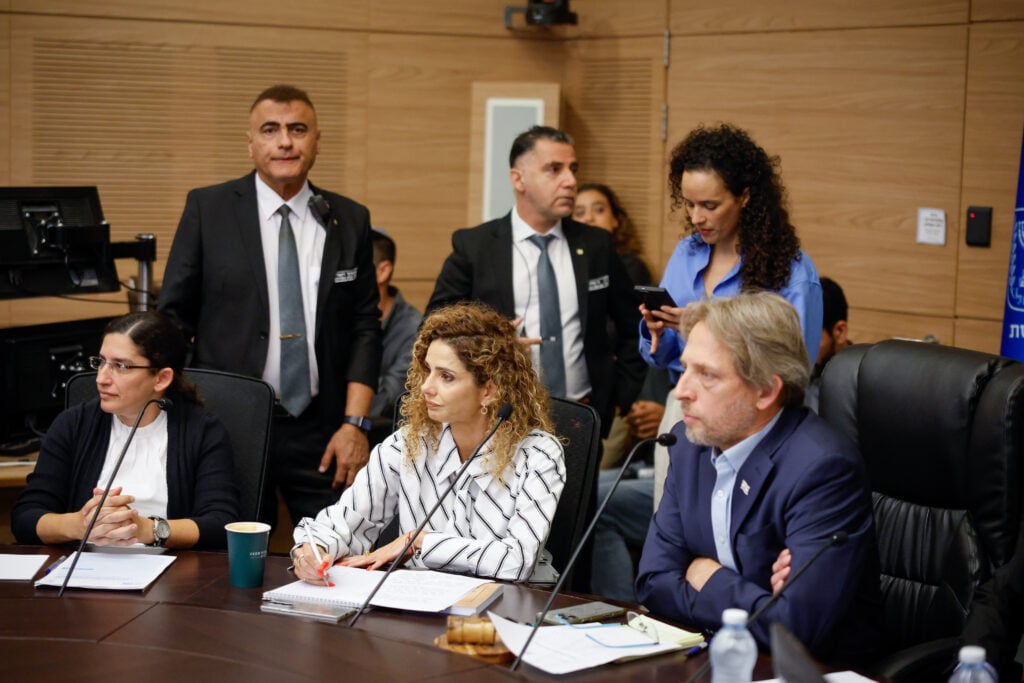
However, the right-wing bloc opposed the inclusion of representatives from the Arab parties on the list. As previously reported, the right-wing faction prepared to vote against the entire list—even at the cost of forfeiting positions designated for their own representatives—to avoid supporting the appointment of Ahmad Tibi.
MK Tally Gotliv requested a separate vote for each candidate, arguing that there is no justification for compelling Knesset members to vote on the list as a single package. “The position of Deputy Speaker requires trust. You are trampling on the dignity of the Knesset and the significance of the role,” she stated.
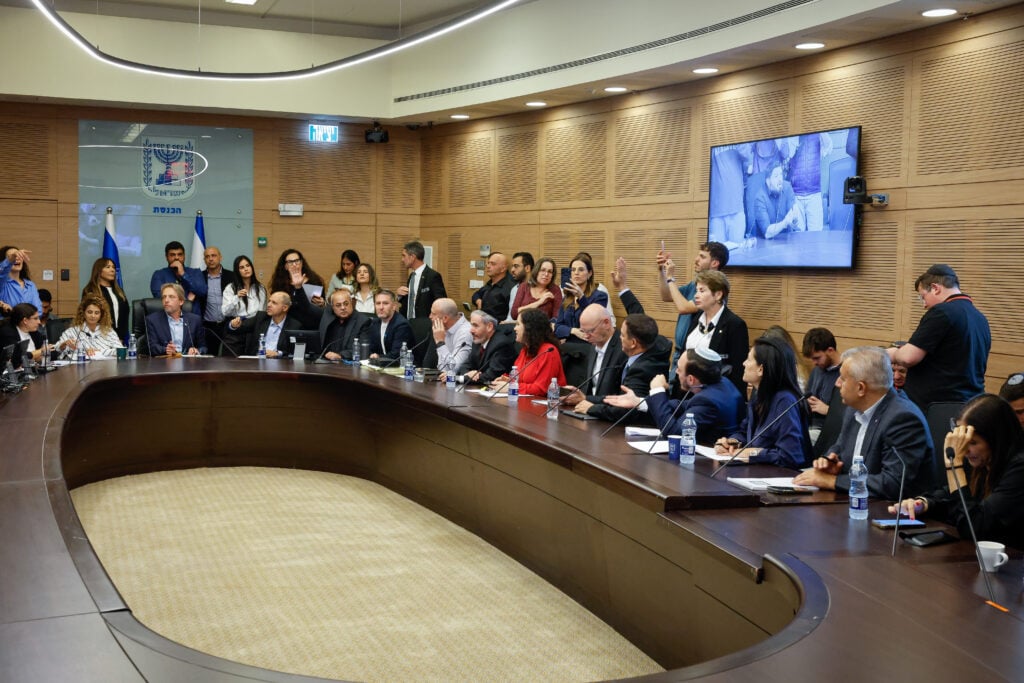
MK Zvi Mor leveled harsh criticism at the appointments, referencing his son’s experience in captivity: “I find it difficult to comprehend that there are people here willing to appoint individuals who refuse to acknowledge that Hamas is a terrorist organization—to look me in the eye, knowing that my son spent two years in captivity and endured severe torture.” “How did we reach such a situation?”
MK Yitzhak Kroizer addressed Eitan Ginzburg, warning of the political cost of cooperating with the Arab factions. “There is a Rubicon that should not be crossed. You need to consider what price you are willing to pay for this move,” he said. MK Ofir Katz also attacked the decision, stating: “What you are effectively doing here is normalizing supporters of terrorism. What kind of message are you sending?”
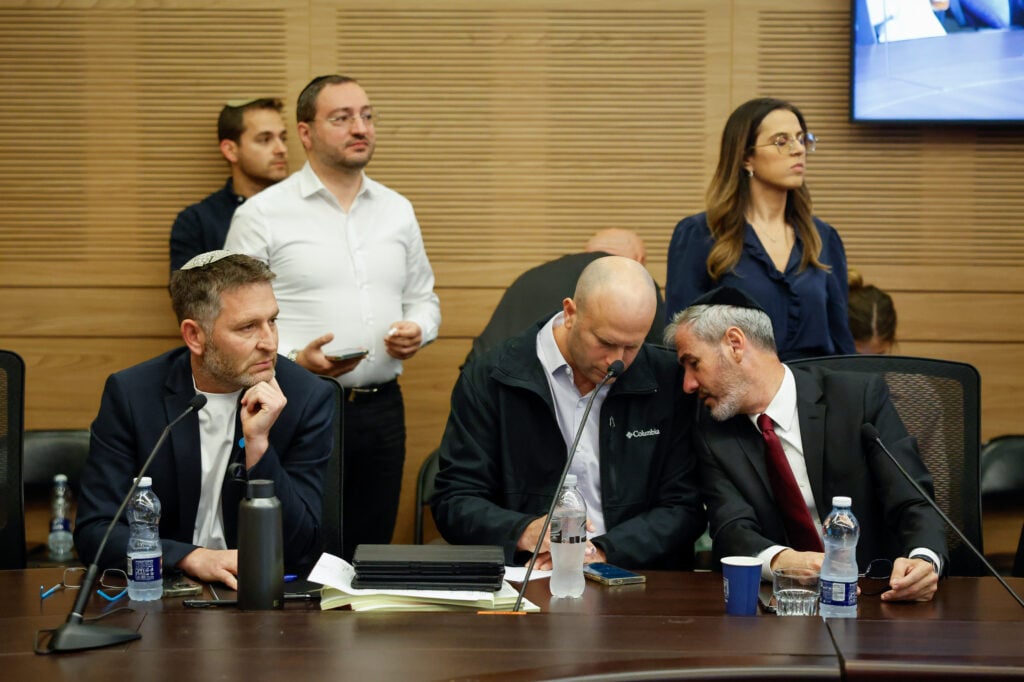
Conversely, MK Gilad Kariv pointed to the Likud’s own history of cooperation with Arab parties in previous Knessets, arguing that Likud members have no grounds to lecture others on this matter. “You have nothing to teach us regarding political integrity,” he said. MK Eitan Ginzburg emphasized that, over the years, representatives of Arab factions have served as Deputy Speakers of the Knesset. He further claimed that, during the 25th Knesset, the Likud party sought to advance such an appointment—a move he stated was blocked by the Otzma Yehudit party.
Concurrently with the dispute regarding the Deputy Speakers, the interim Finance Committee approved—subject to a potential revision—the appointment of MK Liran Avishar Ben-Horin as the committee’s chair. This appointment drew criticism from right-wing MKs, who raised concerns regarding potential conflicts of interest stemming from her husband’s business activities in the field of public relations.
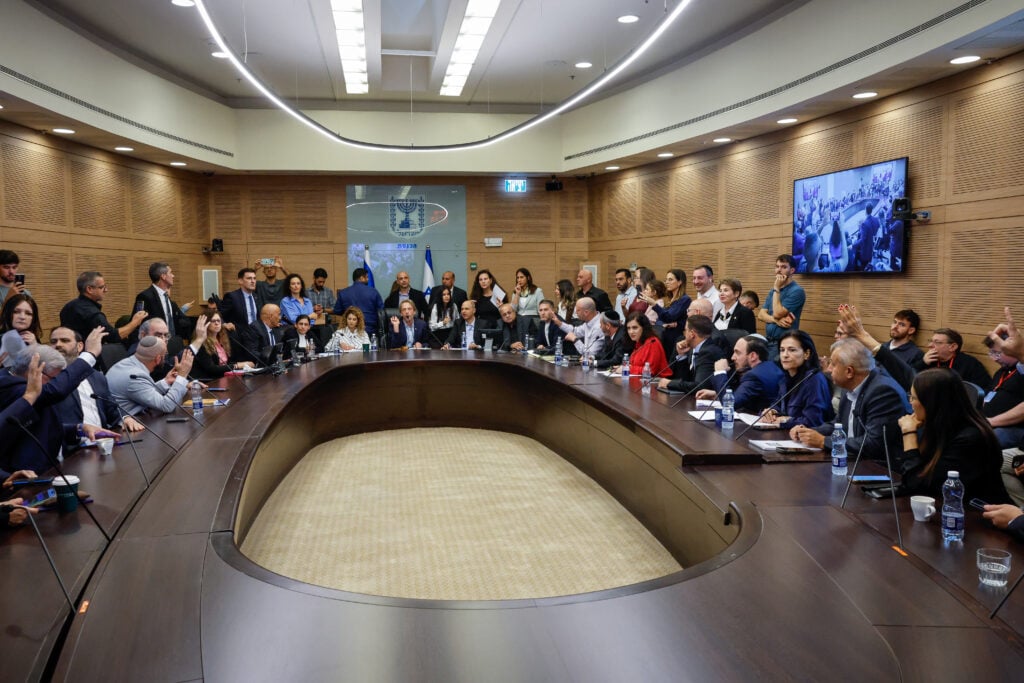
MK Almog Cohen requested clarification from the legal counsel, stating: “The chair’s husband works for one of the largest public relations firms in the Israeli market. This is a dynamic business environment; tomorrow morning, a bank could approach her husband and enter into a commercial contract with him.” MK David Peter demanded a written document detailing potential conflicts of interest before the vote took place. MK Yinon Azoulay and MK Yosef Taieb also requested the opinion of the Knesset Legal Advisor.
Shlomit Erlich, Legal Advisor to the Finance Committee, clarified that while the Knesset does not employ formal conflict-of-interest arrangements—as is the practice within the government—Members of Knesset are nonetheless subject to heightened ethical obligations. She stated that whenever a concern regarding a conflict of interest arises, the Committee Chair must consult with the legal department and apply the appropriate restrictions to herself. It was further noted that the Knesset Legal Advisor would appear before the Committee at the earliest opportunity to address the matter.
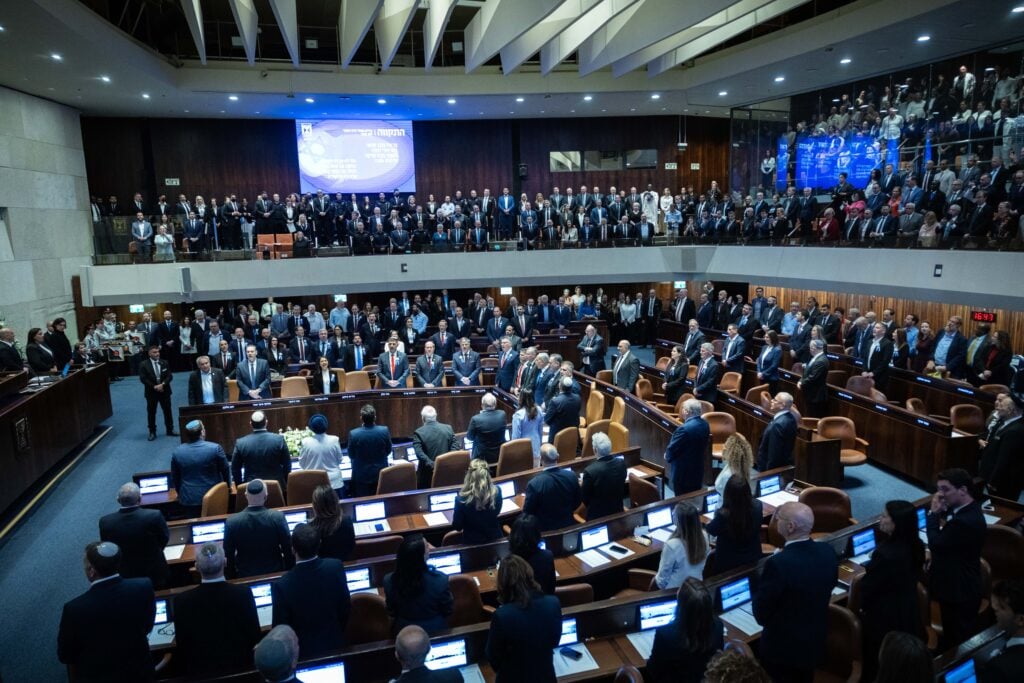
Roi Folkman, Chair of the Arrangements Committee, expressed his support for Avishar Ben Horin and praised her professional experience. “This is a critical committee, so we have no time to waste. We may disagree on many things, but the country still needs to be run,” he said. Despite the serious objection raised, no revote was held.
Meanwhile, the interim Foreign Affairs and Defense Committee elected MK Avigdor Liberman as its Chair. Eight Members of Knesset supported the appointment, with no opposing votes. Upon assuming his role, Liberman announced his intention to summon the Chief of Staff, the Director of the Mossad, the Director of the Shin Bet, and the Commissioner of the Israel Police to appear before the committee. According to him, the committee will examine gaps in coordination between the police and the Shin Bet, as well as the issue of foreign interference—with a specific focus on events within the Prime Minister’s Office and attempts to influence the elections.
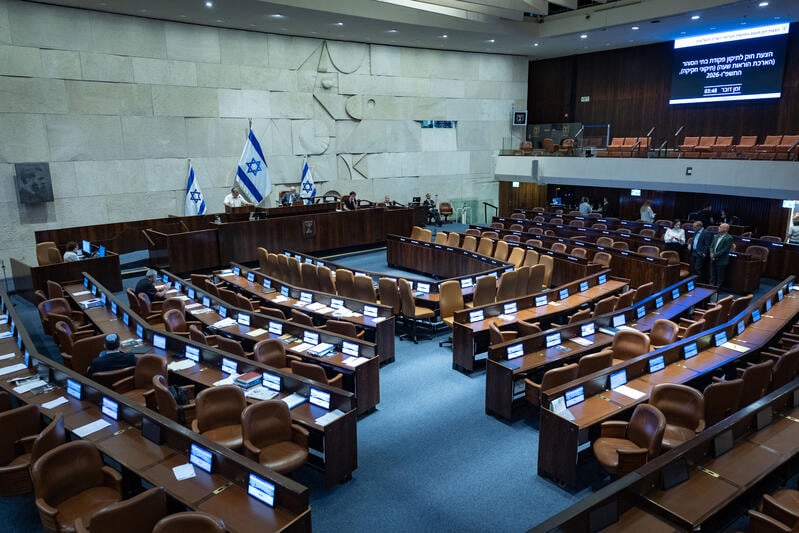
Liberman also addressed the Conscription Law, presenting the formula he intends to promote: “We will introduce a fair conscription law that must pass three hurdles: the approval of the Chief of Staff, the High Court of Justice, and Rabbi Landau.” These remarks drew a sharp response from Defense Minister Israel Katz, who made it clear that he would not allow the committee to be turned into a political tool against the government and the IDF. “I will not allow Avigdor Liberman to transform the Foreign Affairs and Defense Committee into a stage for a political circus, or into an instrument to attack the IDF and the government,” Katz stated. The Defense Minister emphasized that any authorization to summon IDF representatives would be granted solely on a substantive and professional basis, following prior inquiry and coordination.
These appointments follow a series of votes in which the “Change Bloc” parties acted in coordination with Ra’am and the Joint List. Last week, the Knesset plenum approved the composition of the Arrangements Committee—with 63 votes in favor and 50 against—after the Likud party’s alternative proposal was rejected. Subsequently, the Arrangements Committee approved the establishment of a temporary Finance Committee and a temporary Foreign Affairs and Defense Committee, along with recommendations regarding who should chair them.
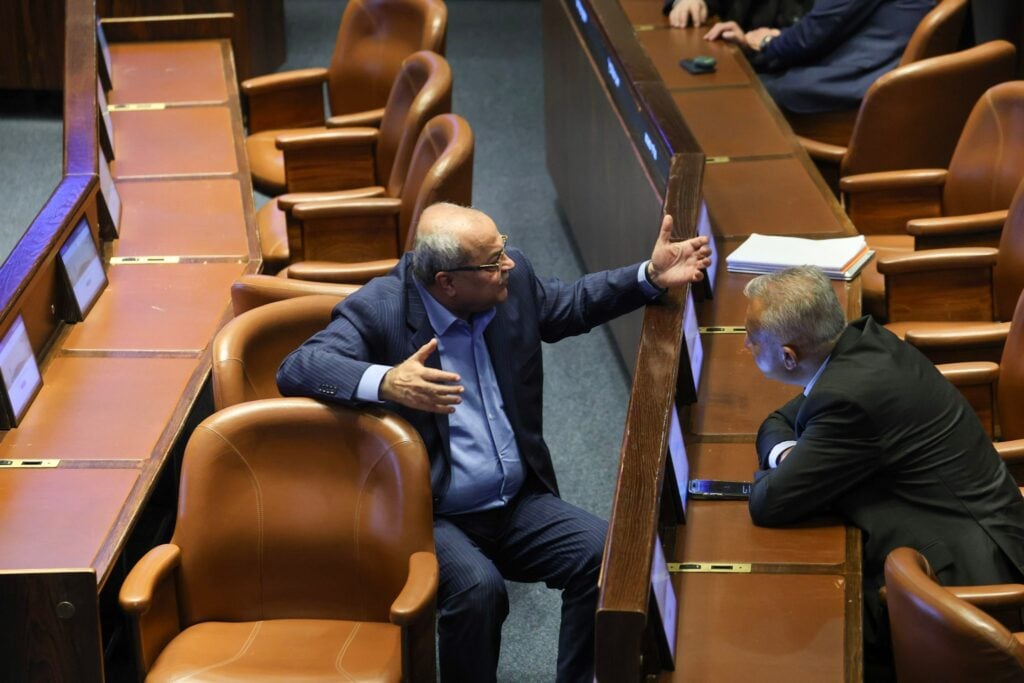
This cooperation has now extended to the election of the Knesset’s Deputy Speakers. For the Change Bloc, this represents the exercise of their parliamentary majority and the formal organization of the Knesset’s operations. Conversely, the Right views these moves as evidence of a political reliance on the votes of the Arab parties; they have made it clear that they will not support the appointment of Ahmad Tibi—even at the cost of forfeiting senior positions for themselves.
The dispute over these appointments marks one of the first points of contention in the 26th Knesset, as the cooperation between the Change Bloc and the Arab factions begins to shape the distribution of roles and the leadership of key committees.