


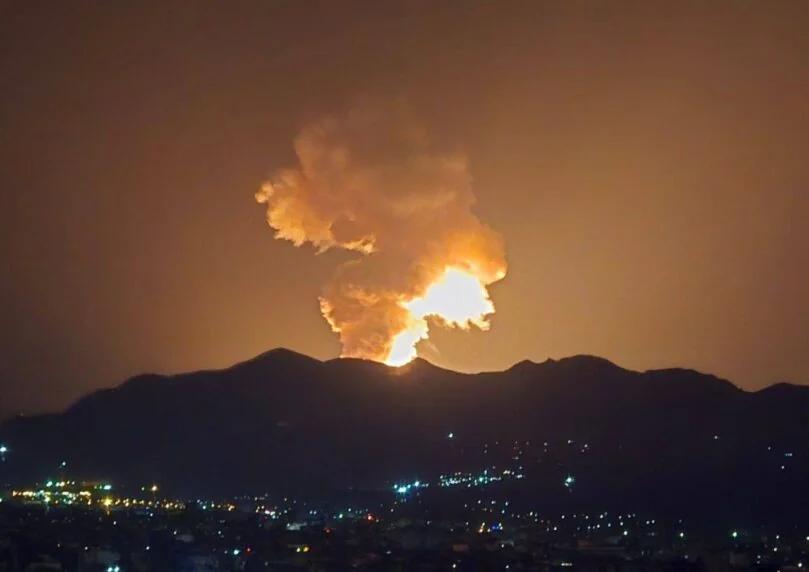

The urgency in Israel to act against Iran’s nuclear program does not stem from a fear of an immediate “breakout” toward a nuclear bomb, but rather from the progress of work aimed at making nuclear facilities immune to aerial attacks.
At this stage, the Iranians are not close to a breakout toward a nuclear bomb. According to assessments, the centrifuges at the Fordow site have not yet been installed, and that process is expected to take months. Furthermore, Iran’s nuclear program has suffered severe blows during operations “Like a Lioness” and “Lion’s Roar”—not only to its infrastructure but also to its technical expertise, following the elimination of numerous nuclear scientists.
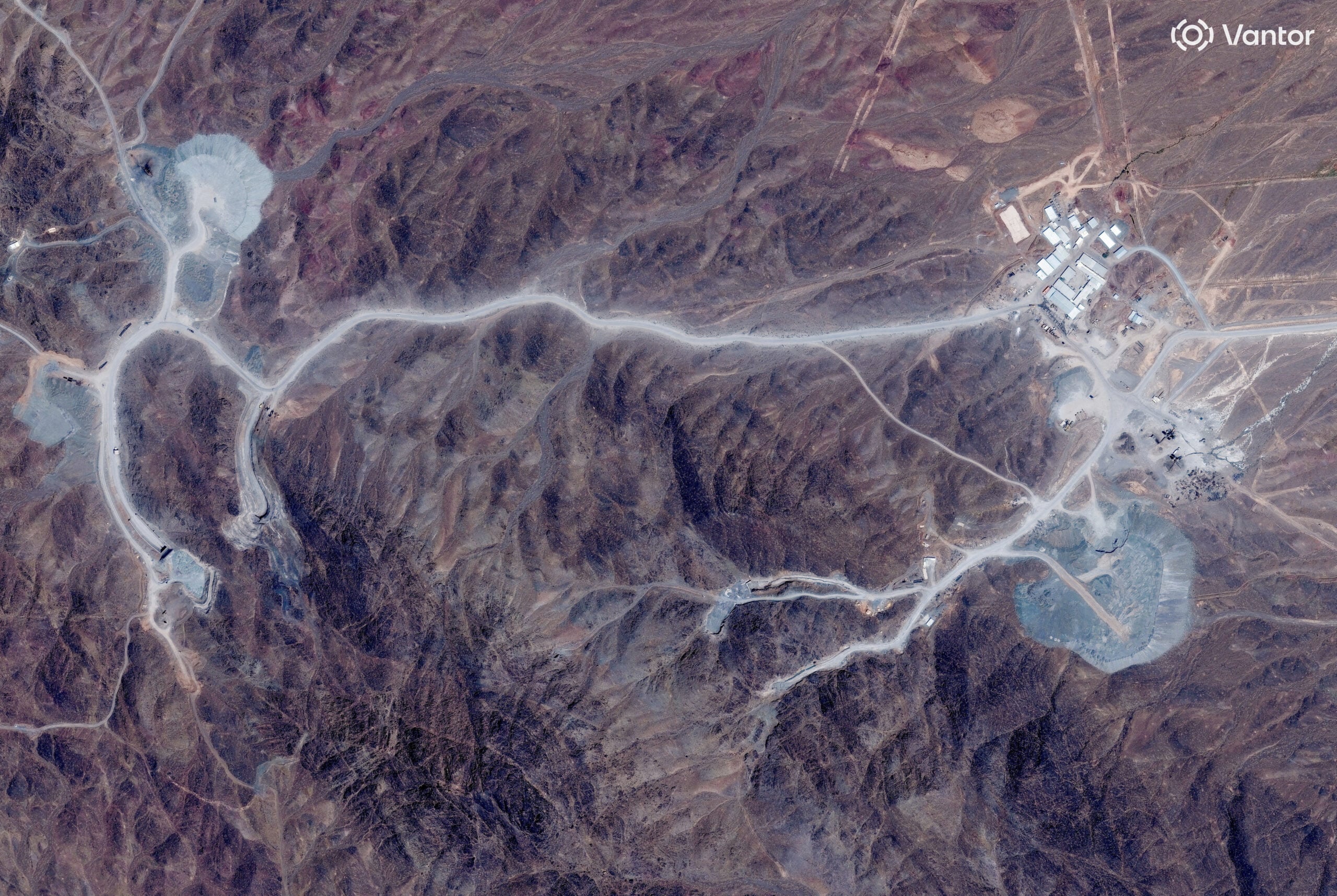
However, Israel identifies a more pressing threat: Iran is working to render its nuclear project invulnerable to aerial strikes. In such a scenario, it would become nearly impossible for Israel to thwart a breakout toward a nuclear bomb, should the Iranian regime decide to order one.
An Israeli official well-versed in the details told Channel 14: “Iran is working to place its nuclear program within an ‘immunity zone’ that would preclude aerial strikes, through intensive fortification efforts and the relocation of critical infrastructure underground.”

According to the information, fortification efforts are underway not only at Mount Machush and Isfahan but also at a number of other sites across Iran. This implies that striking these infrastructures would likely require an attack of significant scale.
Iran currently possesses approximately 6.5 tons of uranium enriched to various levels, including 441 kilograms enriched to a high level of 60%. This quantity is potentially sufficient to produce about 23 nuclear bombs.
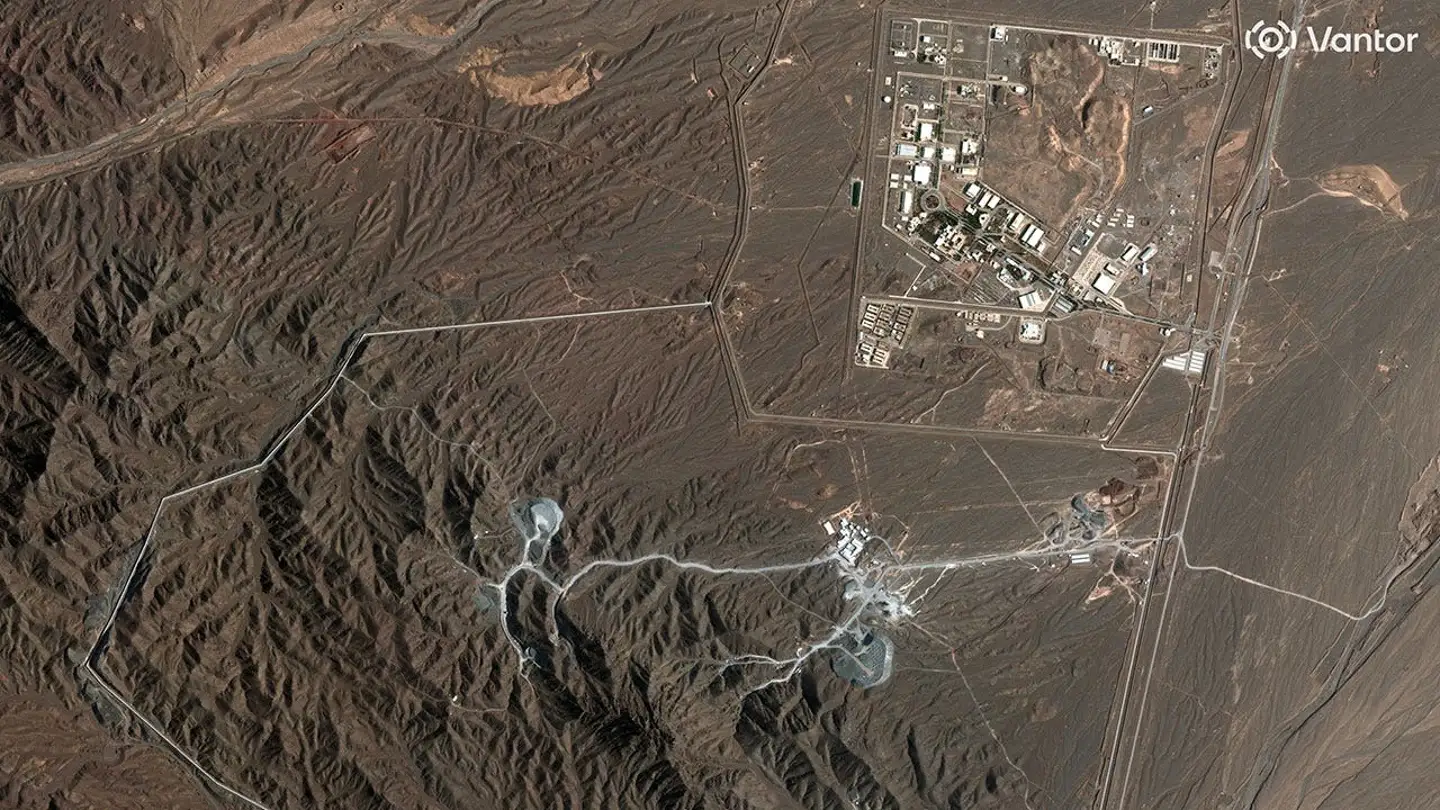
Nevertheless, Iran remains a considerable distance away from the capability to produce a bomb—partly due to the damage sustained during two previous operations. Conversely, it is much closer to achieving immunity for its nuclear infrastructure.
The Mossad Chief’s Visit to the U.S. and the Message Conveyed to the Americans
These developments are linked to the visit of Mossad Chief Gofman to the United States—from which he returned just hours ago, heading straight into a cabinet meeting and a session with Prime Minister Benjamin Netanyahu.


 1+
Unlike some of his predecessors, Gofman maintains an austere, no-frills working style—reminiscent of his background as an armored corps officer. Typically, his trips to the United States are brief, lightning visits: he arrives, conducts his meetings, and returns to Israel.
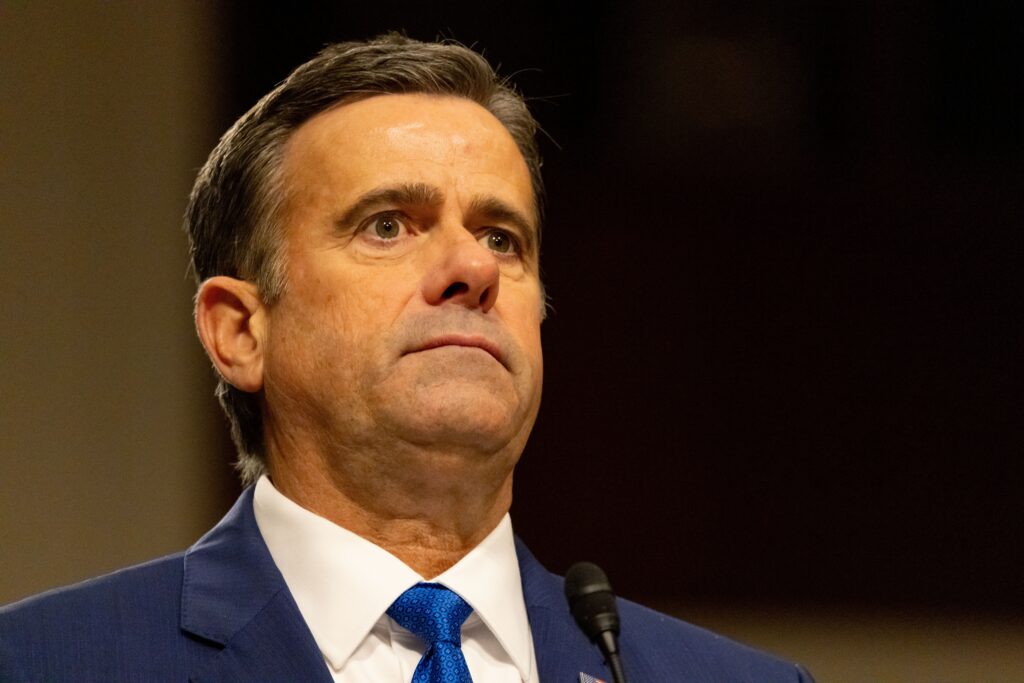
On this occasion, however, the Mossad Chief spent three days in the United States—a relatively long duration given his usual travel pattern. During the visit, he met with his counterpart at the CIA, John Ratcliffe, as well as with Steve Witkoff in Miami, along with a significant number of senior administration officials and figures within the U.S. intelligence community.
 1+
In these meetings, Gofman presented material that conveyed a clear message: the time to act against Iran’s nuclear and missile programs is now.
Israel fears that if the current window of opportunity closes, Iran will succeed in fully fortifying its vital infrastructure—placing it within a “zone of immunity” that would make any future military action against it extremely difficult.