




In recent weeks, contacts have been underway between Israel and Kuwait regarding the possibility of a normalization agreement. Kuwait—one of the region’s smaller states—recognizes that, following Israel’s normalization agreements with the United Arab Emirates and Bahrain, it risks being left behind in the new regional architecture taking shape in the Gulf.
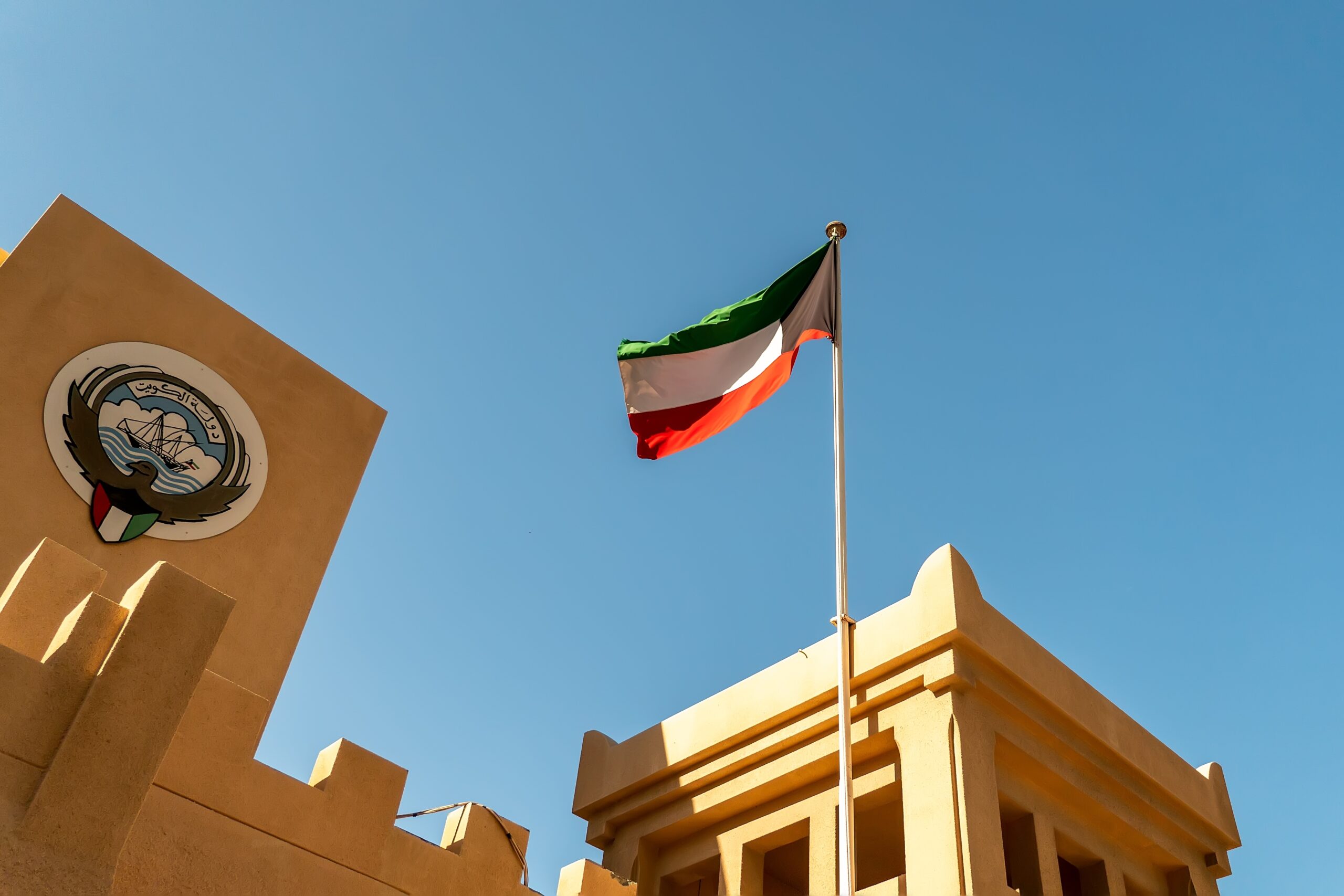
Underlying this progress is the Iranian threat, as well as Kuwait’s desire to be part of a broader regional coalition to counter Tehran. This small state is located just 30 km from Iranian territory—separated only by a narrow strip of Iraqi land and the Shatt al-Arab river—which, during the last war, made it an especially easy target for the regime.
It is worth noting that Kuwait was among the nations that participated in the ten-country meeting we previously reported on. As I understand it, the United Arab Emirates and the United States have recently been pushing hard to advance this initiative.

However, at this stage, two major obstacles are hindering progress. The first is the political situation in Israel, specifically the fact that a government has not yet been formed. The second obstacle is Kuwait’s deep concern regarding an Iranian response; there is a fear that publicly signing an agreement with Israel could once again make Kuwait a target for Tehran—potentially even leading to a scenario involving a massive barrage of hundreds of missiles fired at its territory. Consequently, while discussions are underway and there is a significant push for an agreement, Kuwait is currently weighing the security costs of such a move with extreme caution.