


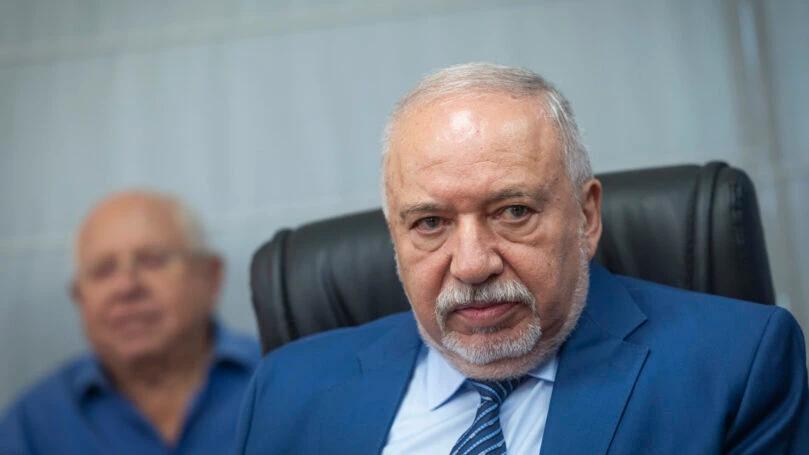

Yisrael Beytenu, Chairman Avigdor Liberman, warned on Thursday against making major security decisions that could draw Israel into war during a transitional government, demanding that any such moves occur only under parliamentary oversight and with the unanimous agreement of all defense agencies.

 2+
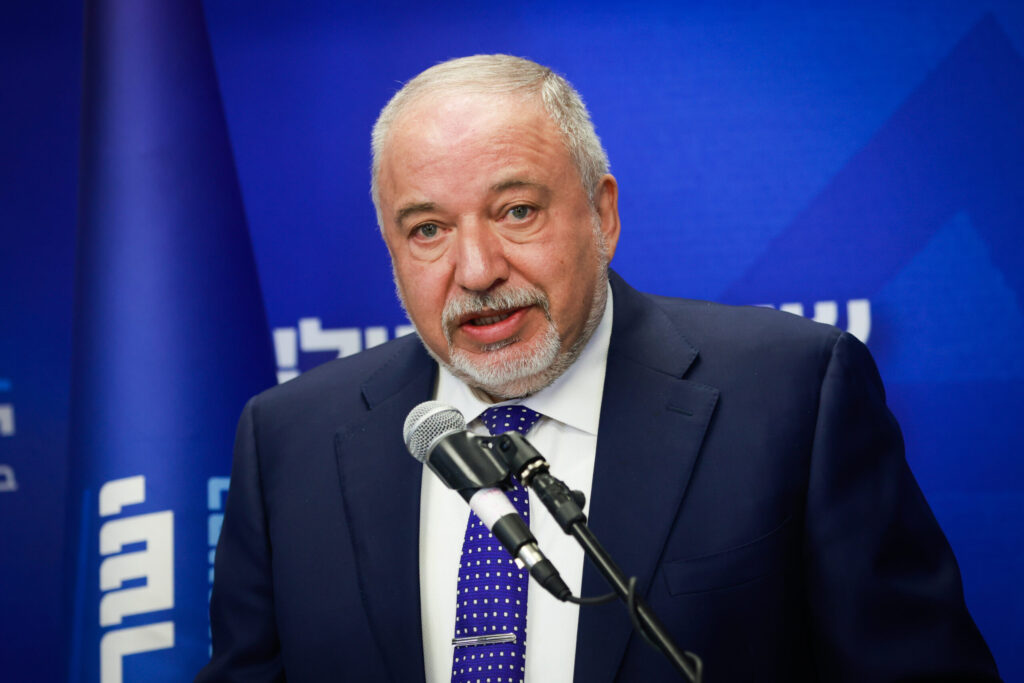
In a statement published on social media, Liberman emphasized strict limits on a caretaker cabinet’s executive authority. “I warn: an interim government is not permitted to make decisions that could drag Israel into war without parliamentary oversight, and without the full consent of all security bodies,” Liberman wrote. “I emphasize—all security bodies.” Liberman’s warning reinforces a formal letter sent on Wednesday by Yashar! Party Chairman Gadi Eisenkot to Prime Minister Benjamin Netanyahu, urging the premier to exercise restraint and avoid non-urgent military operations until a new government is sworn in.
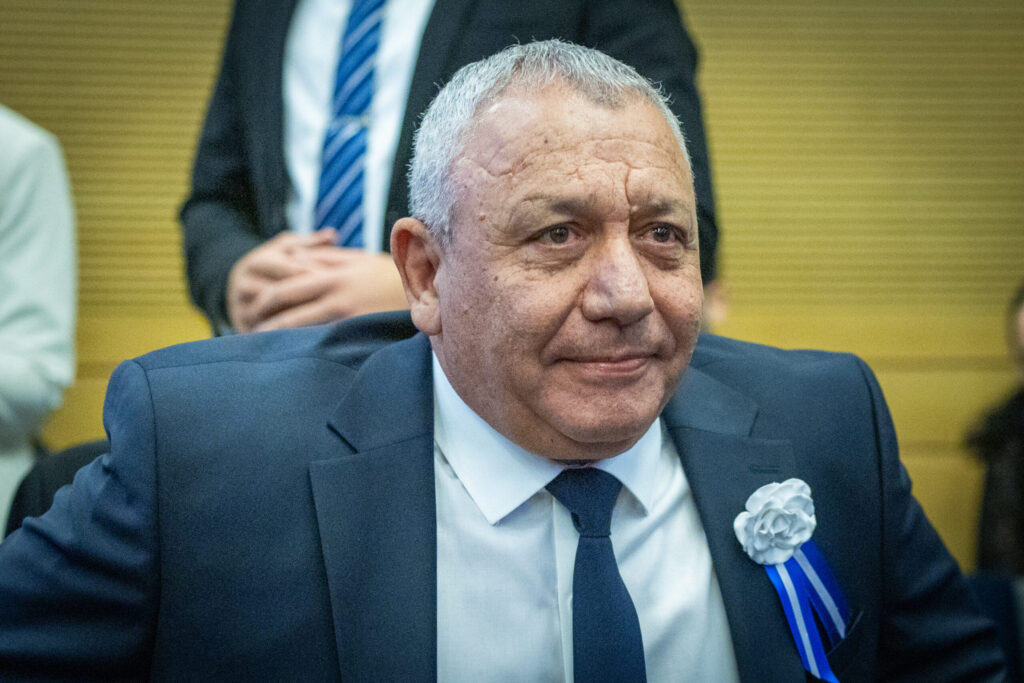
The appeals come amid heightened regional tensions with Iran and ongoing speculation regarding the possibility of renewed military action against Tehran. In his letter to Netanyahu, Eisenkot argued that the prime minister currently heads an interim administration that no longer commands the confidence of a Knesset majority, asserting that the political reality requires heightened caution in national security decision-making. Eisenkot noted that only 46 Knesset members currently back Netanyahu’s continued premiership. Warning against steps that could trigger a military confrontation not necessitated by an immediate threat, Eisenkot called on Netanyahu to defer actions that can wait until a new coalition is established.
 2+
In the meantime, Eisenkot appealed to Attorney General Gali Baharav-Miara, requesting a legal review of the transitional government’s authority on defense matters and the protocol governing security briefings during the interim period. Defense Minister Israel Katz responded forcefully to Eisenkot on Thursday morning, making clear that the sitting government will continue to exercise full authority over national security and direct the Israel Defense Forces across all operational theaters, independent of ongoing political negotiations to form a new cabinet.
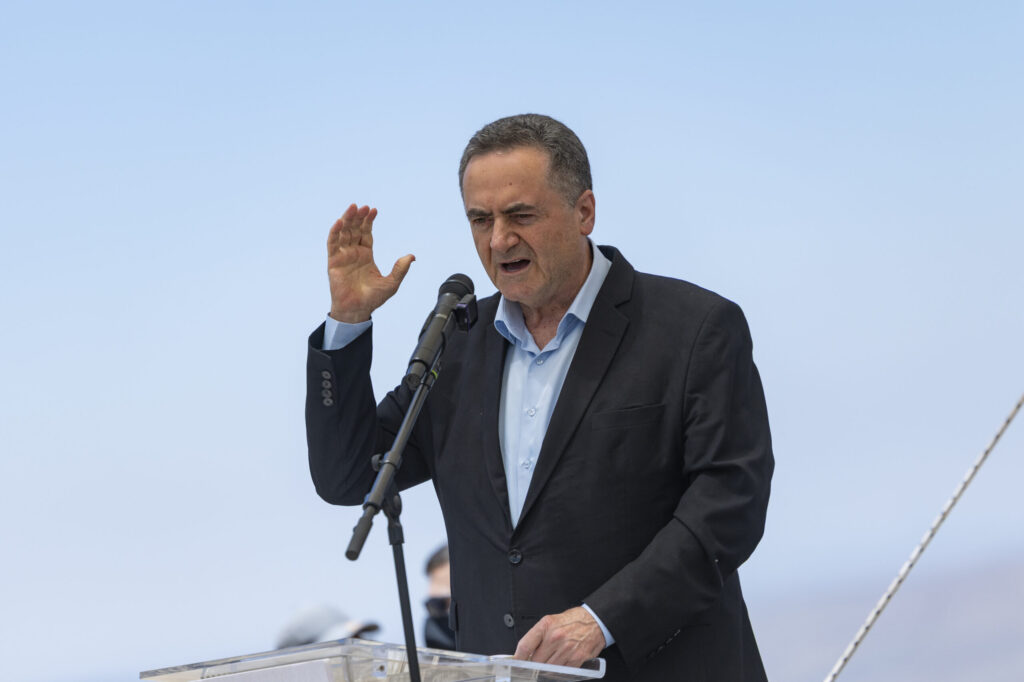
“We do not need approval from the opposition or from any legal official to instruct the IDF to carry out targeted eliminations in Gaza, defensive and offensive actions in Lebanon, maintaining the buffer zone in Syria to protect Golan communities, evacuating a terrorist neighborhood in Hebron—an operation that proved itself beyond measure in creating strong deterrence—and continuing offensive counterterrorism operations in Judea and Samaria,” Katz declared.
 2+
Addressing the possibility of military action against Tehran, the defense minister affirmed that operational readiness remains intact. “Against Iran as well, we have demonstrated determination and sound judgment, in full coordination with the IDF, and so it will be now according to what is required,” Katz stated. Katz concluded by rejecting the notion that political transitions suspend executive defense responsibilities, emphasizing the established chain of command. “Israel’s security is not in transition and does not wait for the political proceedings taking place in parallel,” Katz said.
“There is one prime minister, one defense minister directing the IDF, and one government responsible for making decisions regarding Israel’s security and the protection of the residents of the State of Israel—and this, of course, under existing and required oversight.”