


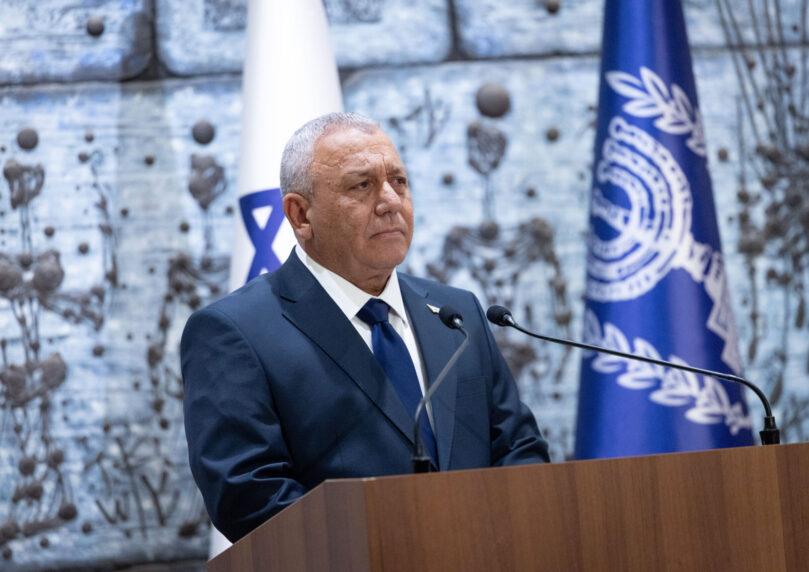

After United Torah Judaism refused to sign the request to replace the Knesset speaker, Gadi Eizenkot is expected to ask Avigdor Liberman and Naftali Bennett to agree to rely on the Arab parties for the move. Eizenkot is set to meet today (Monday) with the two separately, in meetings that could determine whether the effort to replace the Knesset speaker goes forward.


 2+
Yaakov Asher, chairman of the United Torah Judaism faction, wrote to Roei Folkman, chairman of the Arrangements Committee from the Yesh party, that United Torah Judaism’s position is not to replace the Knesset speaker before the government is sworn in. Asher’s letter closed the door, at least for now, on the possibility that United Torah Judaism would join the request to replace the speaker—leaving the change bloc without a majority for the move.
The left-wing bloc has only 48 mandates. Without support from United Torah Judaism or the Arab parties, it doesn’t have a majority of 61 Knesset members to oust the Knesset speaker. So after United Torah Judaism’s refusal, the only option left for Eizenkot is to turn to the Arab parties and ask for their support.
 2+
Those around Eizenkot believe replacing the Knesset speaker is a necessary step toward forming a government and advancing legislation, including repealing the judicial reform laws. According to these sources, without replacing the speaker the left-wing bloc will struggle to advance its agenda in the Knesset, so Eizenkot is determined to push the move forward even at the cost of relying on the Arab parties.
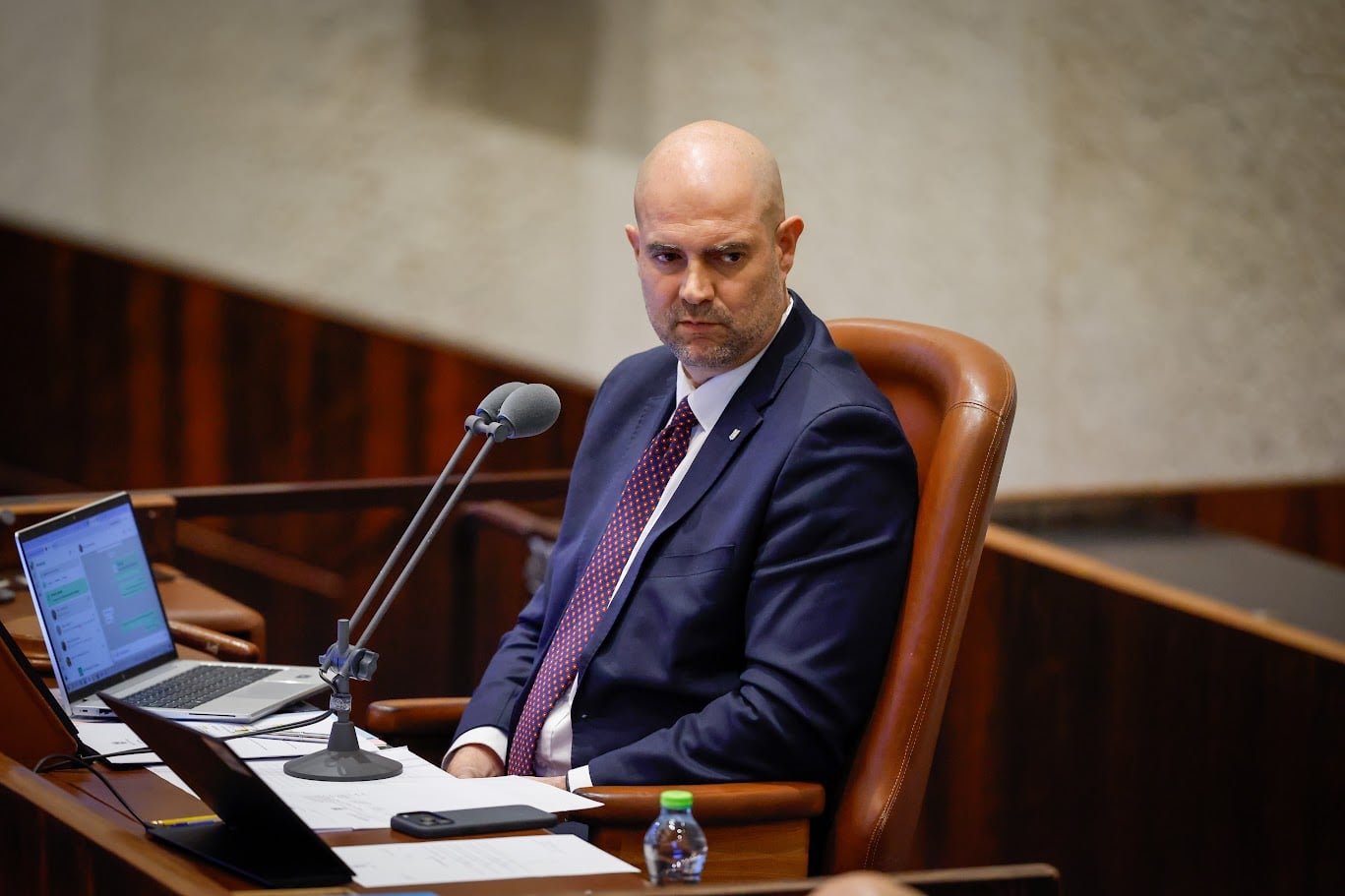
But turning to Liberman and Bennett isn’t simple. Liberman has already announced he won’t be part of a government that relies on support from the Arab parties or their abstention. Those around Eizenkot hope Liberman will agree to distinguish between supporting the ouster of the Knesset speaker and supporting the government itself, and that he’ll give his consent to a one-time move to replace the speaker.
 2+
Bennett’s position also remains unclear. Bennett hasn’t publicly clarified what his red lines are or what framework he’s proposing for forming a government and advancing legislation. Those around Eizenkot believe today’s meeting with him will be critical, and that Bennett will need to decide whether he’s willing to rely on the Arab parties, at least for the purpose of replacing the Knesset speaker.