


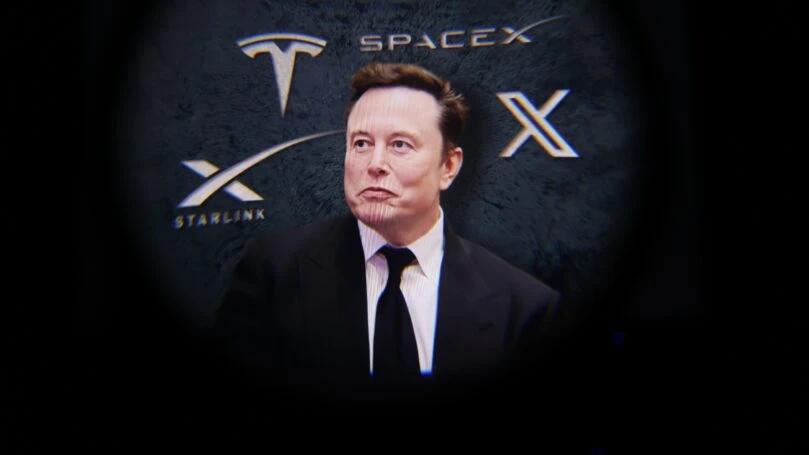

Silicon Valley’s biggest political gamble ever shattered at the ballot box: Billionaire Elon Musk, who became the largest financial donor in the 2026 midterm elections with a record-breaking investment of around $474 million, suffered a resounding defeat. A Democratic wave swept the nation, handing the party control of both houses of Congress and delivering an especially painful personal blow in Texas—the state where Musk relocated his corporate headquarters and the core of his business operations.

 3+
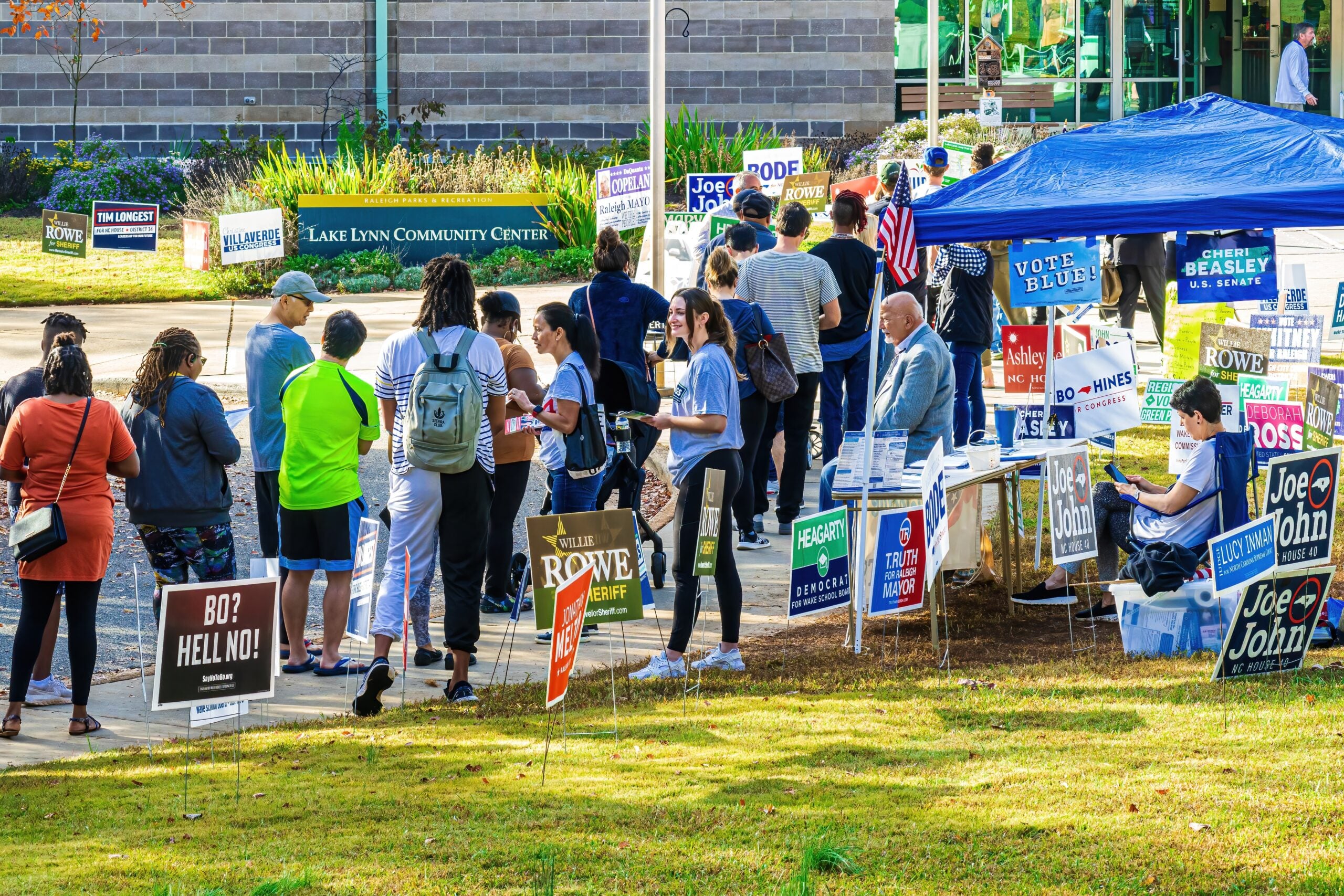
The worst pain is concentrated in Texas, where Musk invested over $224 million to preserve friendly Republican rule. The candidates he backed lost one after another: Attorney General Ken Paxton lost his Senate seat to Democratic candidate James Talarico, while longtime Governor Greg Abbott, Musk’s close ally who granted him massive tax breaks and subsidies, was unexpectedly ousted by Democrat Gina Hinojosa. Talarico even attacked political money in his victory speech, declaring that no billionaire could buy the election.
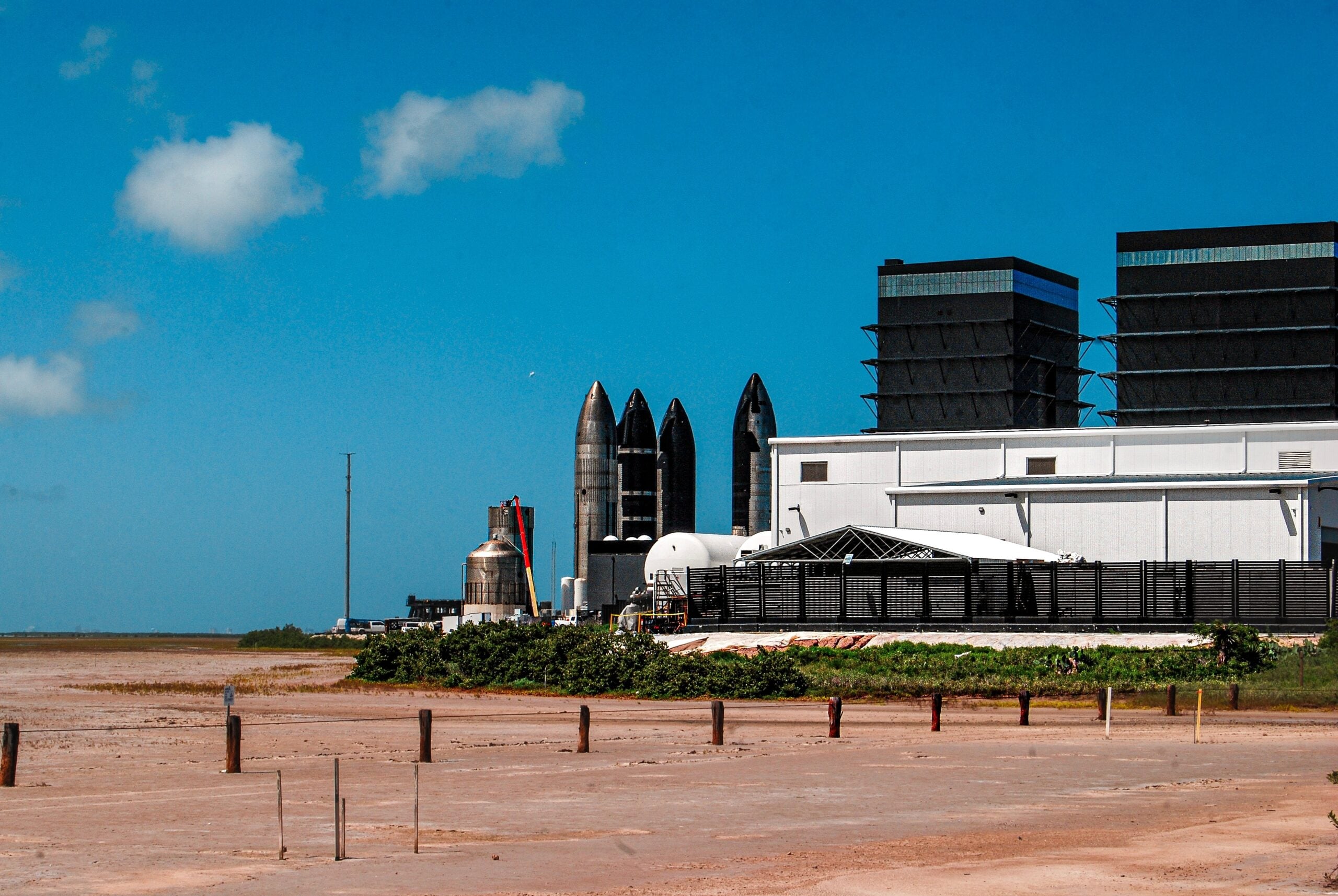
Wall Street’s reaction was immediate and brutal. Shares of Tesla and space giant SpaceX plunged more than 4% in early trading, a move that wiped over $140 billion from the combined market value of both companies within hours. Analysts at investment firm Wedbush warn that Musk will need to recalculate his path in Texas, as operations at the giant Austin factory, the robotaxi fleet, and the Starbase launch facility in Boca Chica will now be subject to tight regulatory oversight by a hostile Democratic leadership.
 3+
Public Revolt Against Data Centers
But Musk’s defeat isn’t just personal—it reflects a broad citizen uprising against the entire AI race. As part of local elections, the question of establishing data centers was put to direct vote in 13 different states. Polls in the U.S. showed that two-thirds of citizens oppose building new data center, due to sharp spikes in household electricity bills and massive water consumption for cooling processors. In central Ohio, voters overwhelmingly rejected all initiatives to build data center and even imposed a ban on facilities consuming over 25 megawatts.
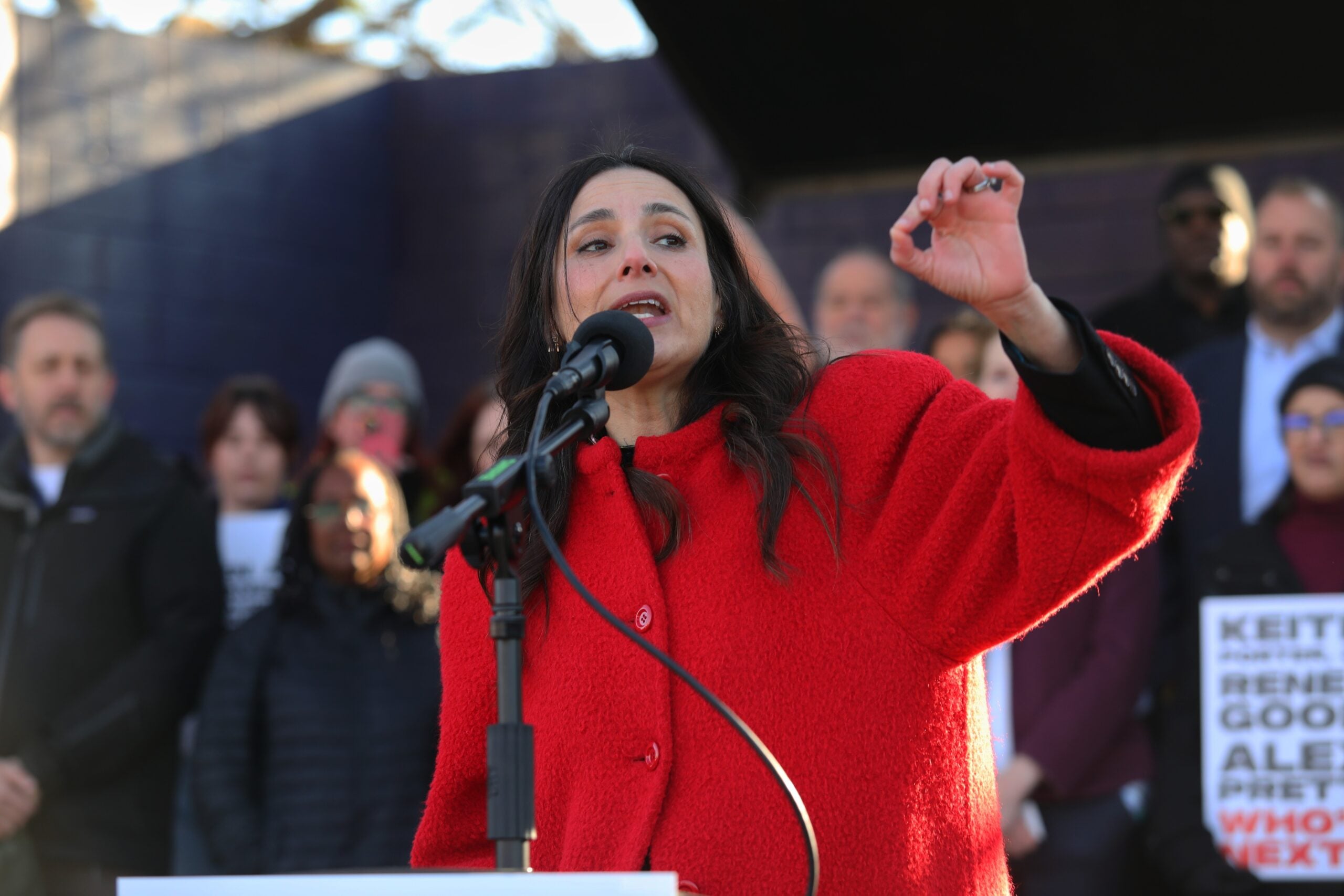
Public fury against computing infrastructure became a winning political weapon for Democrats. Texas’s governor-elect, Hinojosa, rode the wave of opposition and promised to impose a complete freeze on establishing new server farms, require AI developers to bear the full cost of electricity, and cancel corporate tax exemptions. Shares of leading infrastructure players like Oracle, CoreWeave, and Nvidia plunged sharply, amid fears that the state destined to become the world’s server capital would close its gates.
 3+
Musk himself, who remained silent for most of election night, responded to the results with a series of sarcastic posts on X. Referring to the halted projects, the billionaire wrote that SpaceX’s idea of building server farms in space looks pretty attractive now, adding sarcastically: “Guess my election-interfering space lasers didn’t work this time.” The company has previously filed a request to launch a million satellites that would serve as orbital servers—an idea considered absurd until now, but gaining tailwinds from regulatory barriers on Earth.
Guess my election-interfering space lasers didn’t work this time 🤷♂️
— Elon Musk (@elonmusk) November 4, 2026
Data centers in space looking pretty appealing right now
— Elon Musk (@elonmusk) November 4, 2026
Congressional Intent, Federal Investigations, and the Next Bet
The implications of the Washington upheaval pose a direct threat to Musk’s businesses at the federal level. After the America PAC he founded lost in 93% of the races it intervened in, the new Democratic Congress is marking the billionaire as a primary target. Lawmakers in Washington have already announced they intend to open deep investigations around SpaceX’s massive contracts with the Pentagon and NASA, examine conflicts of interest from his time in the Trump administration, and summon AI corporate chiefs to tough hearings on Capitol Hill.
The legal and regulatory battle threatens to shake the entire financial model of the AI revolution. According to estimates by investment bank J.P. Morgan, the cost of deploying computing infrastructure in the U.S. is expected to reach around $5 trillion by 2030, with nearly two trillion of that financed through debt markets and massive loans. Delays in obtaining building permits and rising electricity and water rates pose a tangible risk to companies’ ability to recoup the enormous investment in servers before the models mature to profitability.
 3+
Elon Musk’s political failure illustrates the trap facing tech giants, who hoped unlimited financial capital would allow them to bend democracy and set regulatory rules themselves. While President Donald Trump still holds veto power over federal legislation, the reality on the ground and in key states proves that the American public refuses to subsidize the server frenzy from their own pockets. For Musk and Silicon Valley, election day marked the end of the era of immunity, and the beginning of a regulatory survival battle that will determine who really runs the future of technology.