


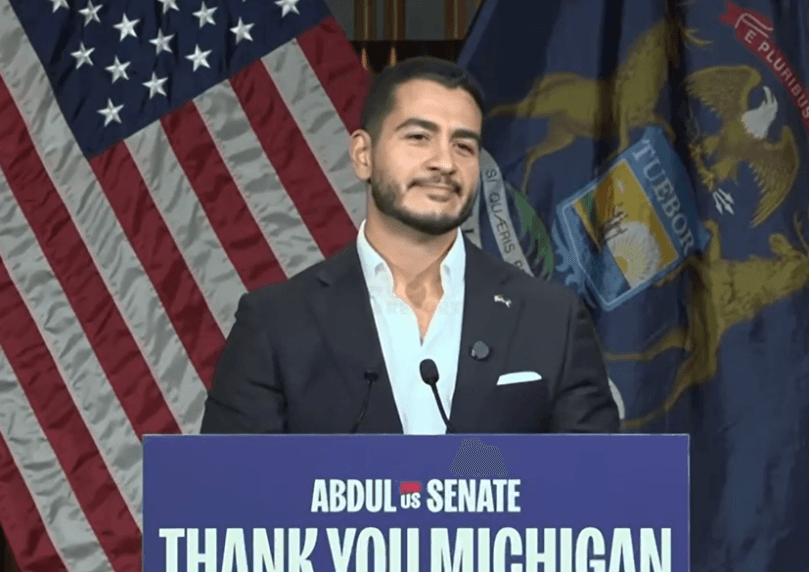

Democrat candidate Abdul El-Sayed celebrated his victory in the U.S. Senate election in Michigan this morning (Wednesday). He chose to open his victory speech with a personal, provocative, and defiant address directed at U.S. Vice President JD Vance. El-Sayed—who will go down in history as the first Muslim ever elected to the United States Senate—thanked his enthusiastic supporters and took a jab at the Republican administration, noting that Vance himself will be constitutionally required to preside over his swearing-in ceremony this coming January.
The speech followed a nerve-wracking vote count in which El-Sayed defeated his Republican opponent, Mike Rogers. The victory comes amidst intense public controversy surrounding El-Sayed’s past antisemitic remarks and his demand for a full arms embargo against the State of Israel.
Addressing a cheering crowd of supporters in Detroit, El-Sayed took the podium with a defiant smile and spoke directly to the second-in-command of the Trump administration: “JD, habibi—there is a sweet, delightful irony in the fact that you are constitutionally obligated to swear me in this January.” This remark by Al-Sayyid, which incorporated a cynical use of the Arabic term “habibi,” was met with bursts of laughter and thunderous applause from the audience in the hall. Afterward, Abdul El-Sayed mocked AIPAC: “You spent $42 million against us—and we beat you twice.”

El-Sayed’s victory declaration came at the end of an exceptionally dramatic night of vote counting—a contest that ranked among the tightest and most expensive races of the U.S. midterm elections. Throughout the night, the lead shifted back and forth between the candidates; in the early stages of the count, El-Sayed held a precarious lead of less than one percent over his Republican opponent, Mike Rogers.
As actual results flowed in from the state’s large, urban electoral districts, the margin steadily widened. The New York Times’s election-forecasting model indicated El-Sayed holding a clear lead—49.8% of the vote compared to just 48.3% for Rogers.
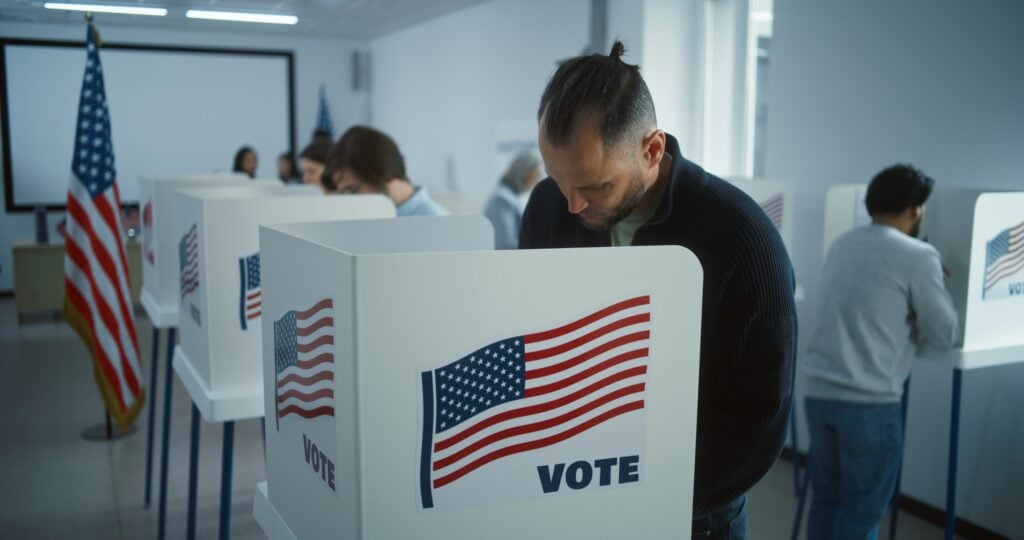
Although Rogers initially tried to project confidence, claiming he could turn the race around as the final mail-in ballots were counted, the incoming votes sealed the outcome, securing the seat for El-Sayed—a seat that had become vacant following the twelve-year tenure of retiring Senator Gary Peters.
El-Sayed’s victory speech has been met with deep concern in Jerusalem and among Jewish communities in the United States, following an election campaign marked by instances of antisemitism on his part. El-Sayed is known for his blunt remarks—most notably his outrageous response to a violent attack on Temple Israel synagogue in Michigan, in which he claimed that “hurt people hurt others.” This statement was widely perceived as a blatant attempt to justify and whitewash antisemitic violence against Jews by linking it to the war in the Middle East.
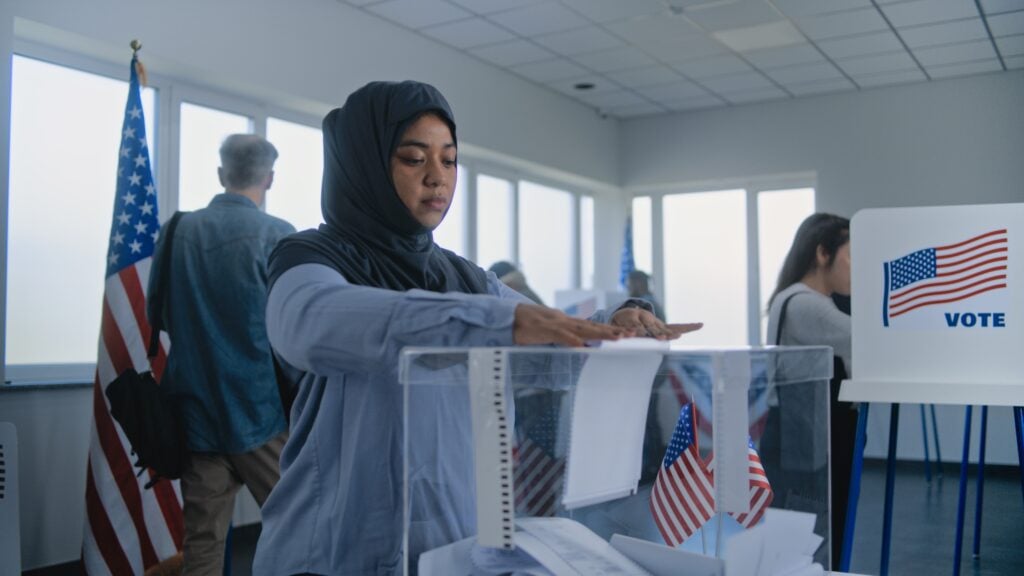
Furthermore, El-Sayed has faced harsh public criticism for his close ties to—and joint appearances with—influencer Hasan Piker, an extremist figure notorious for making virulent antisemitic statements. Throughout the campaign, El-Sayed made the demand to halt military aid, making Israel a central issue, leveling harsh accusations against IDF operations in the Gaza Strip, while his Republican opponent, Mike Rogers, took a firm stance of unwavering support for the security of the Jewish state.
El-Sayed’s extremism even triggered an unprecedented internal rift within the Democratic Party; Congresswoman Haley Stevens, who lost to him in the primary, refused to endorse him and—in an unusual move—announced her support for his Republican opponent, citing her revulsion at his antisemitic views.

With his election, El-Sayed marks a historic milestone as the first-ever Muslim elected to the U.S. Senate. His victory is an integral part of a broader political shift achieved by the Democratic Party in the midterm elections, in which it secured a majority in both chambers of Congress—winning 51 seats in the Senate and 255 seats in the House of Representatives. This means he will serve as part of a Democratic majority that will lead key committees, including the Senate Committee on Foreign Relations and the Senate Armed Services Committee. His mocking remarks toward Vice President Vance signal the likely dynamic between Capitol Hill and the White House over the next two years—a period in which the Trump administration will be forced to contend with a militant opposition. Meanwhile, Jerusalem will face a hostile actor in the Senate, one who will work to derail arms deals and curtail American support for Israel’s security.
For the State of Israel, the election of the first Muslim senator—a figure who holds explicitly antisemitic views and advocates for halting military aid explicitly—represents a concerning escalation in the influence of the progressive wing within Congress. His presence on key committees will require Israel’s diplomatic apparatus to prepare for complex defensive battles regarding the approval of arms deals and weapons shipments, at a time when the Democratic Party holds control over the entire Congress.