


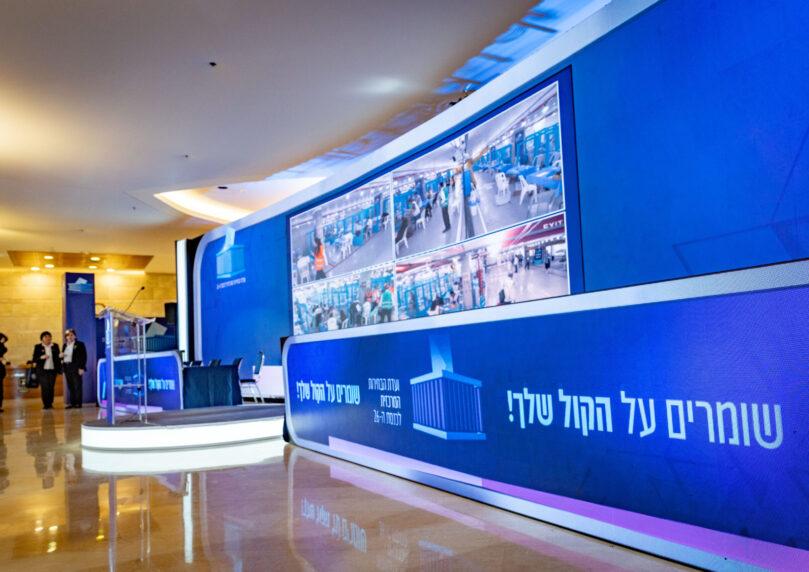
The biggest distortion of Israel’s election didn’t come from voter bribery—though there was likely plenty of that. It came from Arab party activists running their own de-facto voter mobilization software throughout election day. They pulled voter names from inside polling stations, transmitted them to operatives outside, and those operatives then rushed anyone who hadn’t yet voted to the polls.

 1+
Central Elections Committee Chairman Judge Noam Solberg banned such software this year in an unusually strict ruling, warning parties and activists not to use these methods. Voter mobilization programs like these can boost turnout by 5% to 10%, depending on the sector and how organized it is.
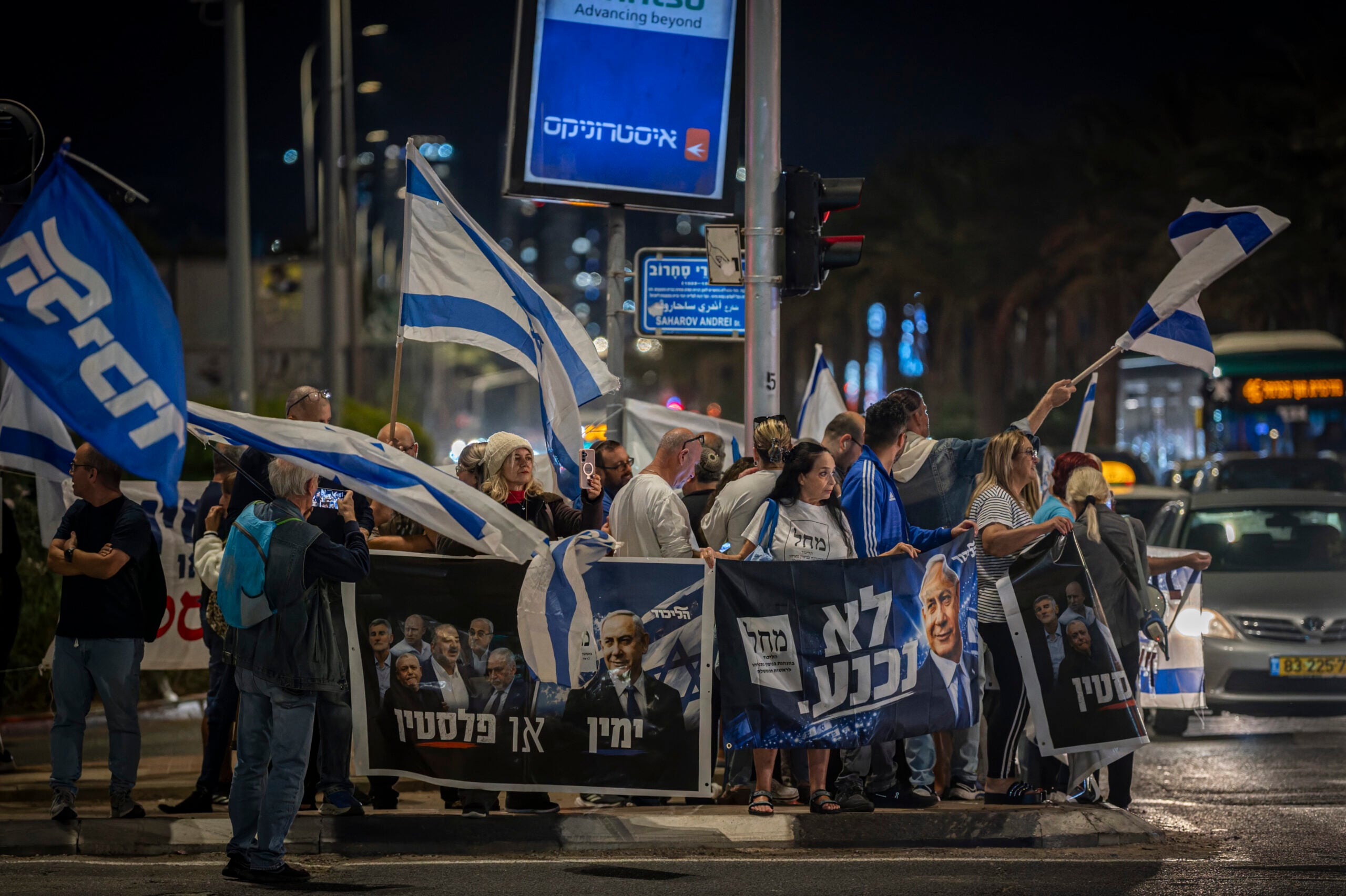
The software works best for established parties with loyal, known voter bases. The right has about 50 such seats across United Torah Judaism, Shas, Likud, Religious Zionism, and even Otzma Yehudit. For the opposition’s newer parties—Gadi Eisenkot’s, Naftali Bennett’s, and the Democrats—the software is far less effective.
 1+
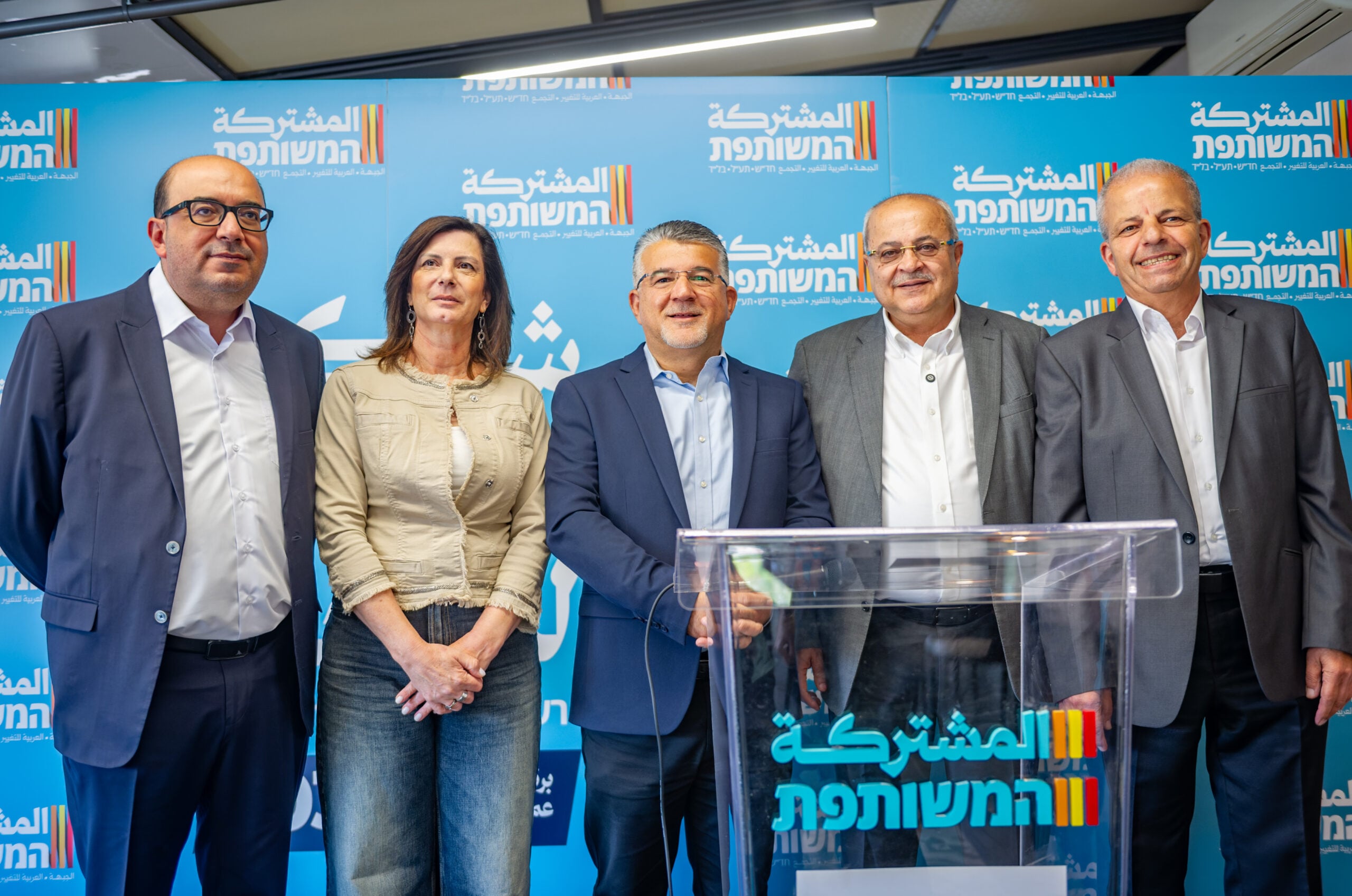
Solberg’s decision to block the right from using this software cost it at least 3-5 additional seats on election day. The committee’s willful blindness to the Arab parties’ blatant, widespread, and systematic violation of his order helped boost their strength by at least two seats. And the failure to inspect or enforce rules against operating reporting and mobilization tools from inside Arab polling stations made committee officials complicit in undermining the election’s fairness and legality.