


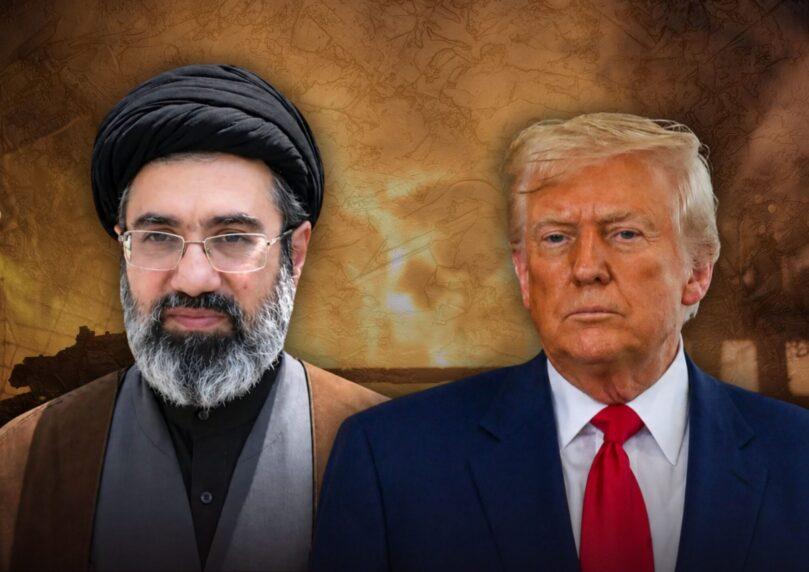

Iran and the United States are still far from reaching a deal that would end the war, a senior Iranian official told Reuters. The statement was published Tuesday, contradicting the optimism expressed in recent days by U.S. President Donald Trump and Vice President J.D. Vance.
Vance on Iran: “We’ve had a number of conversations with the Iranians. I actually just spoke with the president of the United States about about an hour ago about this. Look, the president and I both feel pretty good about the prospects for potentially coming to a negotiated settlement. We’re going to keep on working at it.”
— Rabia İclal Turan (@iclalturan) November 2, 2026
Contacts between the two sides continue through intermediaries, primarily Qatar. Iranian representatives held talks in Doha over the weekend, but they ended without a breakthrough. A source involved in the details told Reuters that the sides are still working on a draft agreement and that another meeting is possible.
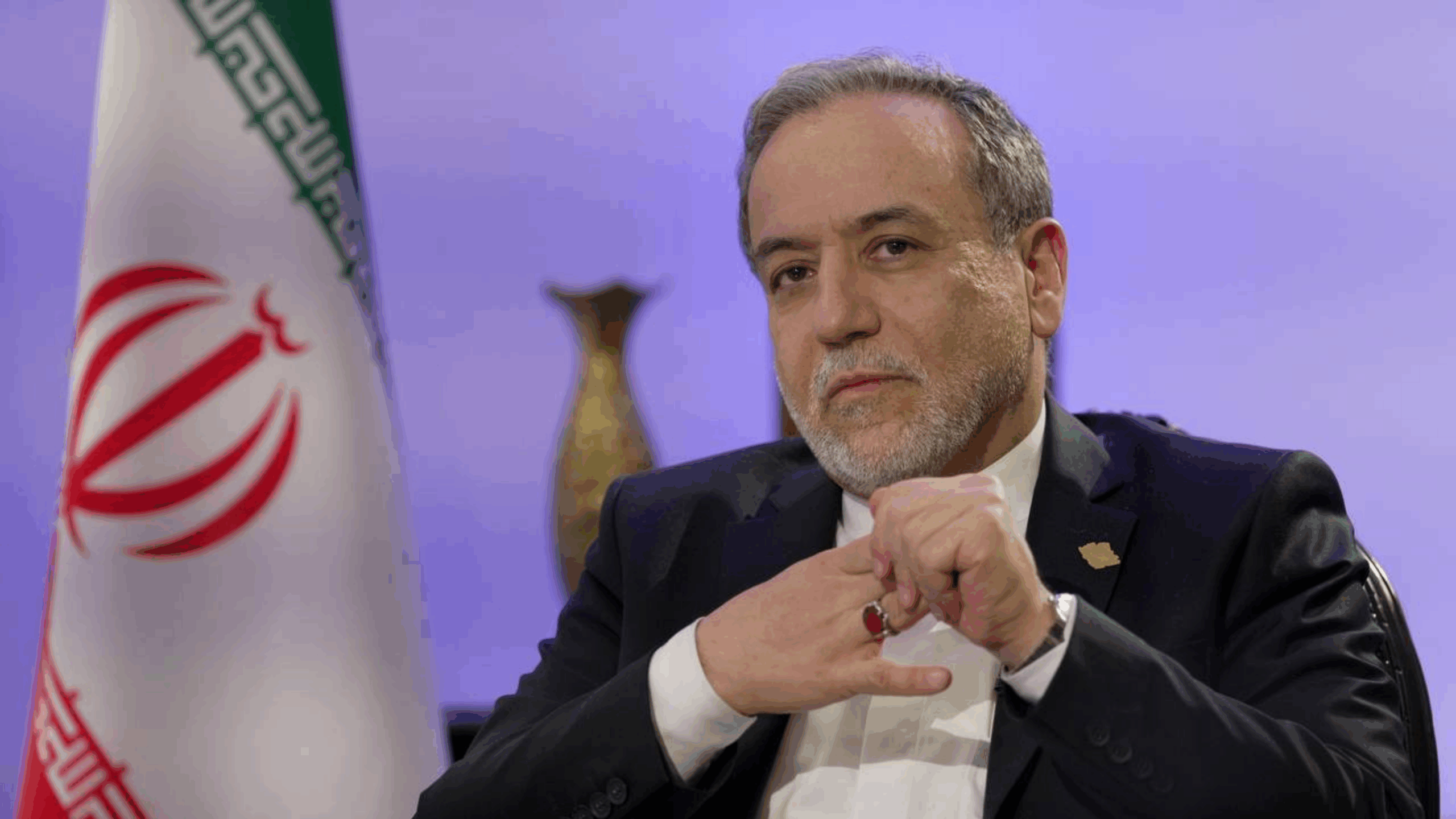
Iranian Foreign Minister Abbas Araghchi said consultations through intermediaries are intensive. According to him, Tehran has conveyed its demands and the continuation of the process depends on what he called Washington’s “political logic.”

 2+
Iranian sources who spoke with Reuters estimated that a renewed American strike is still more likely than reaching an agreement—despite a nearly 4% drop in oil prices recorded following hopes for political progress.
Washington Projects Optimism
The messages from the United States are different. Trump claimed in a midterm election campaign closing speech that Iran wants to reach a deal and that it can still happen. According to him, the United States is winning the campaign and Iran’s military capabilities have been severely damaged.
Trump on Iran:
We might have to go after Pickaxe, but that’s not a big deal.
We can do it in literally one hour. https://t.co/ZLuHVZYY4j
— Clash Report (@clashreport) November 3, 2026
Vice President Vance also expressed optimism. “We’ve definitely made some progress,” he said, clarifying that the administration will continue trying to advance a solution through negotiations. He did not detail which gaps were closed or what concessions were achieved. The gap between the statements reflects the dispute over the sequence of actions. Iran demands that the United States first lift the naval blockade on its ports, allow oil exports again, and cancel sanctions imposed on it. Only after these conditions are met does Tehran demand to move to discussion of additional issues.
The Iranian plan also includes reopening the Strait of Hormuz. Tehran proposed condensing a seven-stage plan it presented in September so it could be implemented within two days. Trump already rejected the original version.
 2+
Nuclear Issue Stays Outside the Room
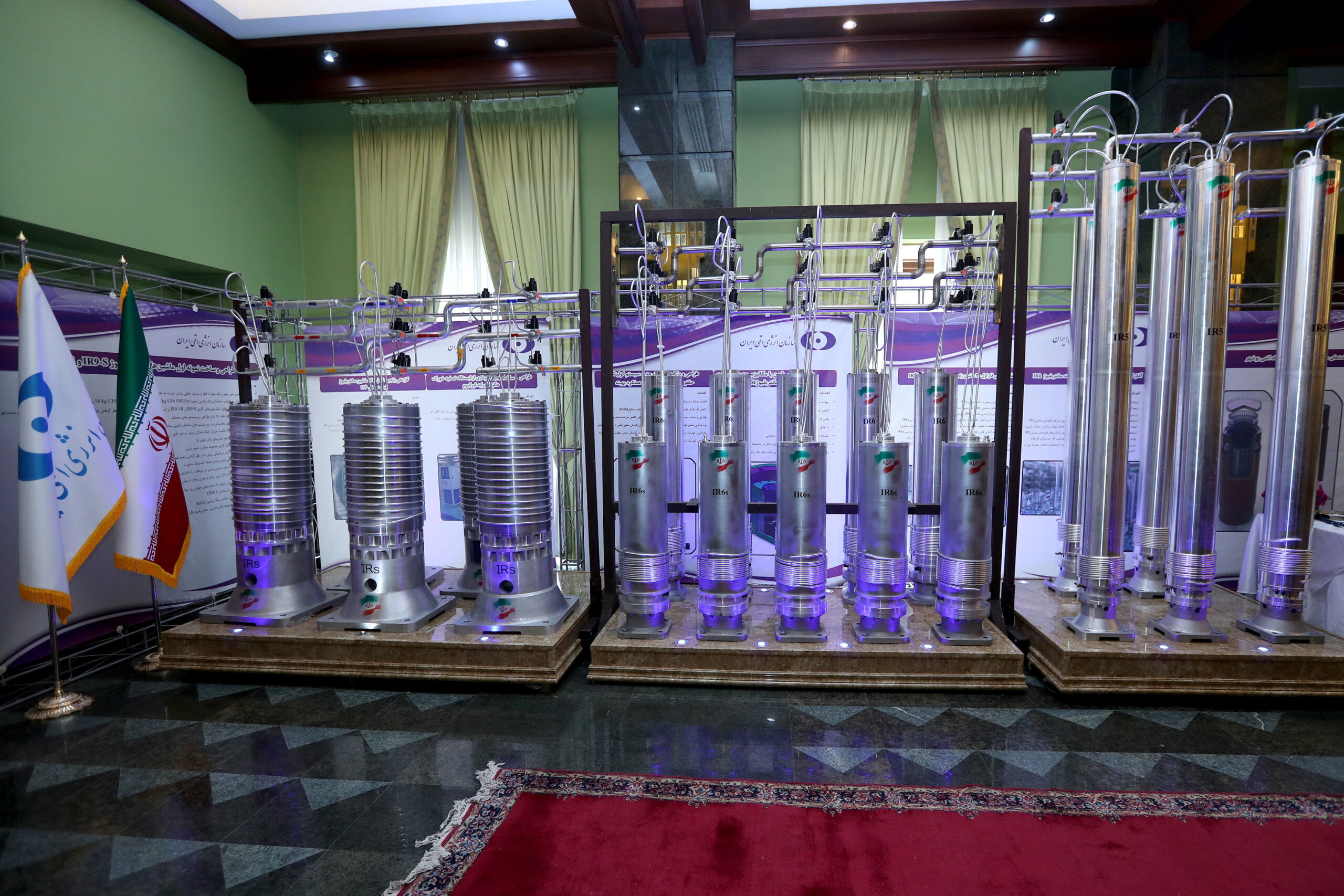
One of the central disputes concerns the nuclear program. Washington demands to discuss it as part of the agreement to end the war. Iran insists the discussion will open only after it confirms that all the economic and security conditions it set have been met. Iranian Foreign Ministry spokesman Esmail Baghaei clarified that shortening the timeline of the proposal does not change Tehran’s position. He also ruled out the possibility of transferring to another country the stockpile of highly enriched uranium held by Iran.
Meanwhile, Iran turned to Russia with a broad request for assistance. According to a source involved in talks between the countries, Tehran asked Moscow for weapons, intelligence, money, and support at the UN Security Council. It is also interested in Russian help in contacts with the United States, after mediation efforts by Qatar, Pakistan, and Oman did not produce the result it sought.
 2+
Talks Continue Alongside Explosions
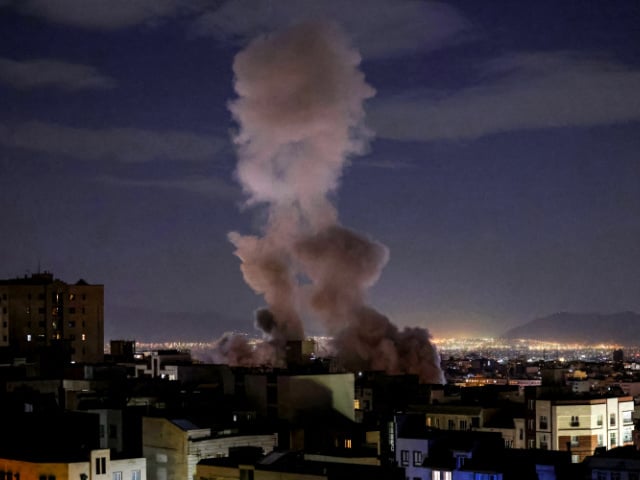
The diplomatic efforts are taking place under ongoing military threat. During Monday, explosions were reported on Qeshm Island and in the city of Bandar Abbas in southern Iran. Eyewitnesses reported fighter jets in the area, and Iranian media claimed that missiles hit air defense systems. The Revolutionary Guards claimed that Iranian defense systems intercepted two American aircraft and shot down another unmanned aircraft east of the Strait of Hormuz. The Iranian claims did not receive public American confirmation.
Trump stated that the United States will not launch a new strike before the midterm elections, but did not rule out action afterward. Iran for its part announced it will respond forcefully to any strike and will act against American and Israeli targets inside the Middle East and beyond. Qatari mediators arrived in Tehran to continue talks with Araghchi on the draft agreement. So far the contacts continue, but no breakthrough has been achieved, and the sides remain divided on the issues of the naval blockade, oil exports, the Strait of Hormuz, and the nuclear program.