


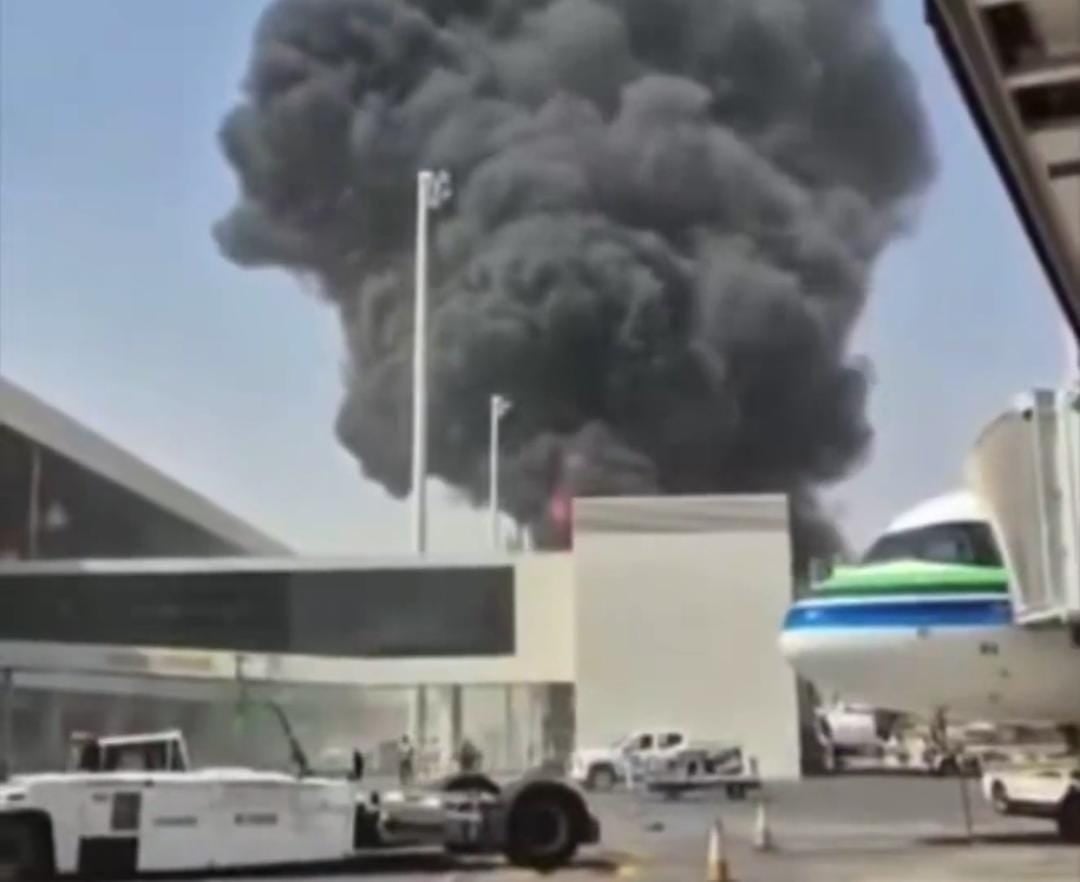
The persistent Houthi attacks targeting Riyadh are no longer merely an operational defense headache for Saudi Crown Prince Mohammed bin Salman (MBS). King Khalid International Airport, the Kingdom’s second-busiest aviation gateway, will remain completely closed until at least October 17 to allow structural safety inspections and verify facility readiness.

 4+
The fallout across the aviation sector extends far beyond the shuttering of a single airfield. According to aviation analytics firm Cirium, the flight cancellation rate across all Saudi airports surged to an astonishing 46.4%. Global carriers including Lufthansa, Air France-KLM, Etihad, and Qatar Airways have canceled or suspended key routes. Meanwhile, Delta Air Lines pushed back the launch of its nonstop Atlanta–Riyadh service from October 2026 to March 2027.
The disruption has penetrated daily routines across the Saudi capital. Municipal authorities transitioned all Riyadh schools to remote learning from Sunday through Thursday. Sports schedules also felt the strain: the Asian Champions League fixture between Al-Nassr and Neftchi Fergana was delayed by an hour after Saudi Civil Defense issued a safety alert just 15 minutes before kickoff. The match was ultimately played, with Al-Nassr securing a 3–1 win after Cristiano Ronaldo netted the second goal.
 4+
For the Crown Prince, the optics of empty skies over Riyadh, closed schools, and sporting events suspended due to missile alerts strike at the core tenets of Vision 2030: marketing Saudi Arabia as a safe, predictable, and open global hub for commerce, tourism, and world-class spectacles.
Investors Hesitate as Megaprojects Falter
A cornerstone objective of Vision 2030 is scaling inward Foreign Direct Investment (FDI) to $100 billion annually by the end of the decade. Yet in 2025, inbound foreign investment reached roughly $33 billion—only a third of bin Salman’s annual target.
 4+
The chill is already manifest at showcase gatherings designed to trumpet the Saudi economic transition. Multiple chief executives of the world’s premier energy majors—including leadership from ExxonMobil, Shell, Chevron, BP, and TotalEnergies—were removed from the schedule of the World Petroleum Congress (WPC) hosted in Riyadh, just ten kilometers from the struck airport.
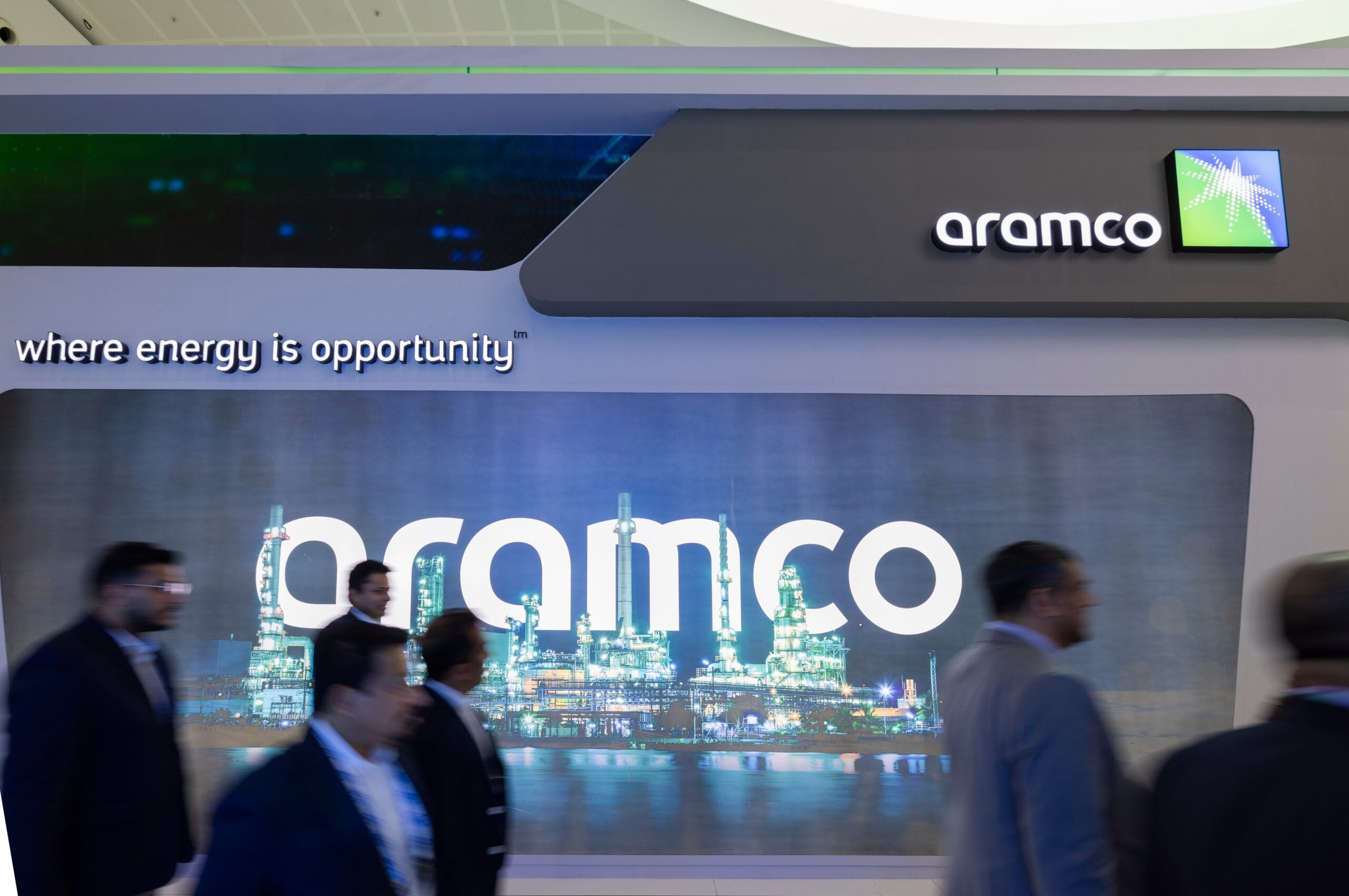
These missile attacks arrive as the broader Saudi economy grapples with domestic fiscal headwinds. According to Reuters, the Kingdom has run a current-account deficit since 2024 and forecasts a fiscal deficit of 4.9% of GDP this year, alongside an expected 3.6% contraction in real GDP driven by depressed oil output. While Riyadh still commands about $500 billion in foreign currency reserves and modest debt-to-GDP ratios, protracted confrontation with the Houthis could compel the Treasury to divert precious capital to air defense batteries, infrastructure reconstruction, and military operations in Yemen. At the same time, threats against airports, Aramco installations, and Red Sea maritime corridors directly target the very sectors expected to spearhead non-oil diversification: tourism, aviation, global conventions, entertainment, and multinational capital.
 4+
What’s Left of the Neom Dream?
Skepticism surrounding Vision 2030 predates the latest strikes on the capital. NEOM, the flagship megaproject marketed as a futuristic hub in the Kingdom’s northwest, was anchored around “The Line”—a 160-to-170-kilometer linear city enclosed within reflective mirror glass.
Yet the project’s profile has shifted drastically. In April, Public Investment Fund (PIF) Governor Yasir Al-Rumayyan acknowledged that “The Line” is no longer the highest priority and that completion by 2030 is non-essential, insisting investments are simply being re-profiled rather than scrapped entirely.
 4+
Ancillary plans have met similar fates. The proposed elevated $2.5 billion stadium integrated into “The Line” for the 2034 World Cup was shelved indefinitely, while hosting rights for the 2029 Asian Winter Games at the Trojena mountain resort were postponed without a set date. Beyond Neom, excavation on “The Mukaab”—the colossal cubic skyscraper designed as the core of Riyadh’s New Murabba district—was paused past initial foundation digging for funding reviews, with project completion delayed from 2030 to 2040 as PIF redirects liquidity toward shorter-term ROI projects ahead of Expo 2030 and the 2034 World Cup.
Missiles Hit the Showcase
While Houthi missile salvos did not cause the structural and fiscal bottlenecks hindering Vision 2030, they threaten to exacerbate every single one. Trillion-dollar blueprints demand foreign capital, dependable air routes, expatriate technical talent, and global corporate confidence. When the capital’s main airport is shut, conferences are canceled, and global executives pull out, the gap between grand modernization promises and stark regional security realities widens.
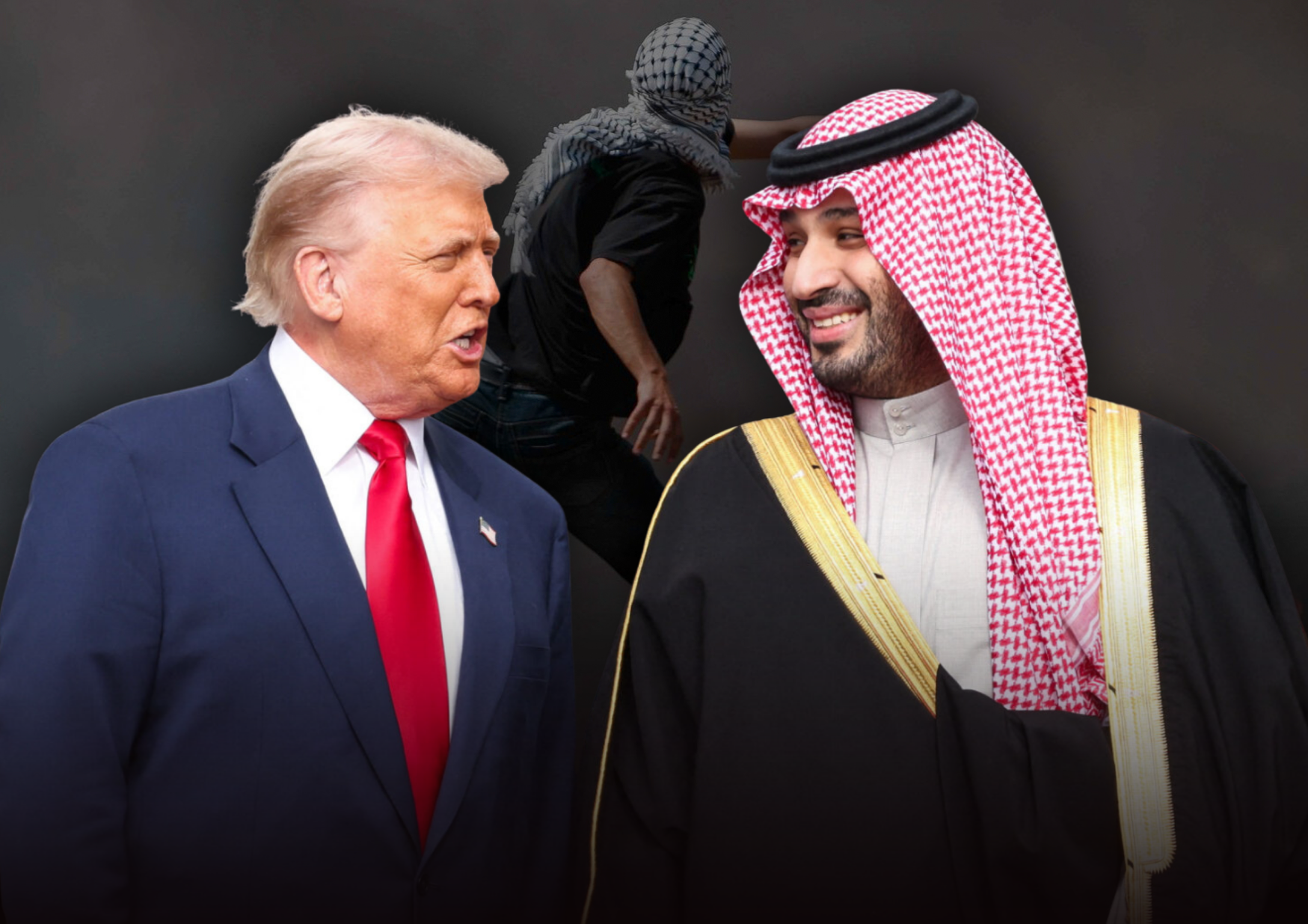
The situation leaves bin Salman at a critical strategic crossroads. As Channel 14 has highlighted, the mounting Iranian and Houthi threat may compel Riyadh to reconsider its overt distance from Israel in favor of deeper tactical security cooperation. For now, Houthi missiles have struck more than concrete runways in Riyadh—they have damaged the royal house’s most prized asset: the narrative of an unshakeable, secure gateway to the post-oil future.