


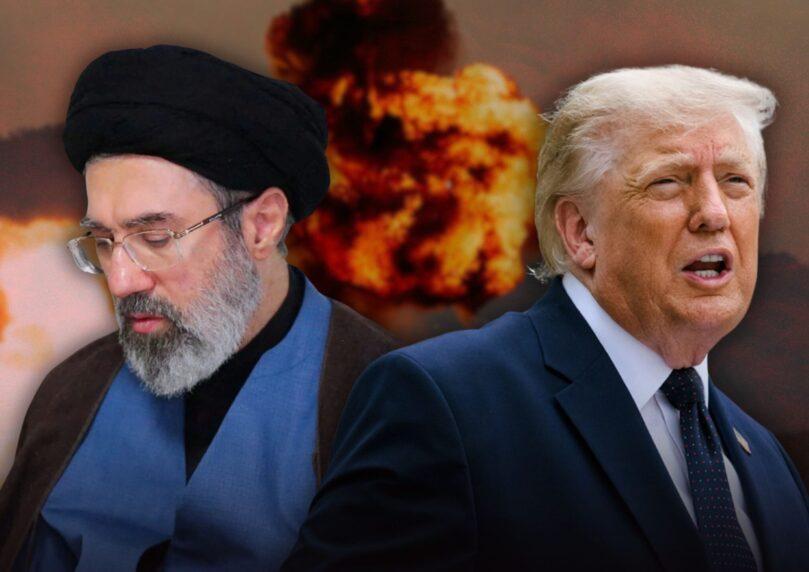

Iran is preparing for the possibility of renewed warfare with the United States. It is threatening to broaden the confrontation across multiple Middle Eastern countries, including through ground incursions into neighboring territories and deliberate attempts to sink American warships and kill their crews, according to a report by The Wall Street Journal.

 3+
According to the report, as part of preparations for resumed hostilities, senior Iranian officials have warned regional actors through public declarations and covert diplomatic channels that further U.S. strikes will trigger a far harsher and more expansive retaliation than seen so far. Among other measures, officials in Tehran hinted that Iranian forces could execute cross-border ground incursions into neighboring nations to deter Washington from launching fresh military operations.
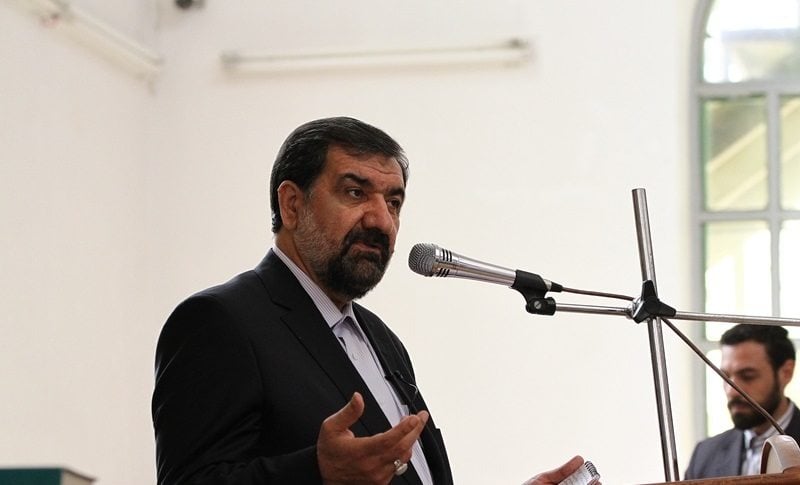
Mohsen Rezaee, a senior figure within Iran’s national security establishment, warned on Sunday that Tehran could target the United Arab Emirates—which had largely been spared from strikes since late spring. Furthermore, he threatened disruptions to regional data centers and critical undersea internet cables across the Middle East. Simultaneously, Iran delivered diplomatic messages to Arab states indicating it could strike Saudi oil installations if warfare reignites.
 3+
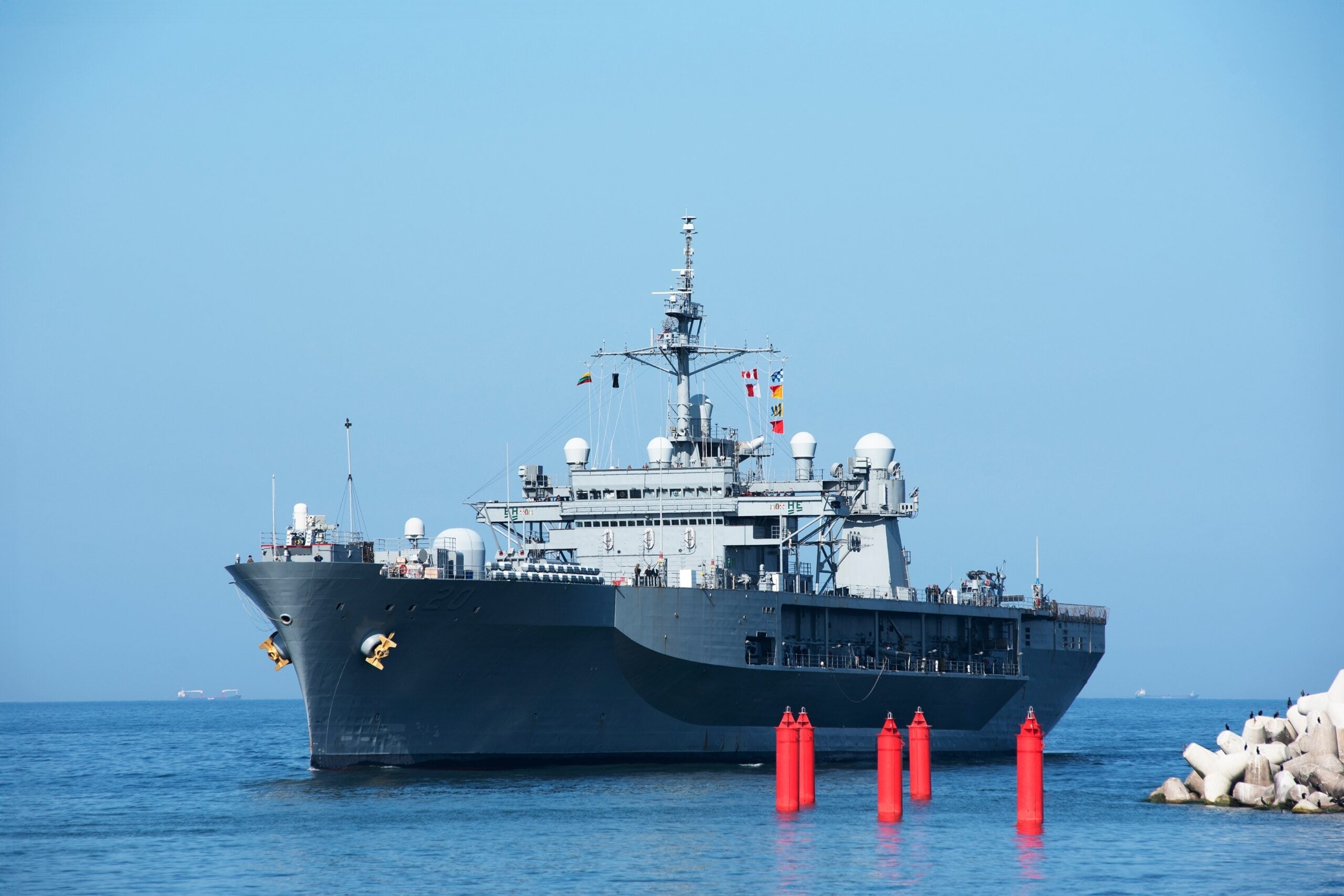
The report noted that one of the most extraordinary threats directly targets American armed forces operating in the theater. Tehran conveyed messages through intermediaries asserting its intention to operate with unprecedented aggression against U.S. military personnel, including concerted attempts to sink United States Navy warships and kill service members aboard. These threats follow incidents in September in which Iranian missiles passed in proximity to American warships during regional firing operations.
Meanwhile, the United States military is accelerating its posture for potential combat. A third aircraft carrier strike group and an additional Marine expeditionary unit are en route to the Middle East. At the same time, the Pentagon is evaluating the deployment of additional air defense batteries and munitions stockpiles to regional American bases.
 3+
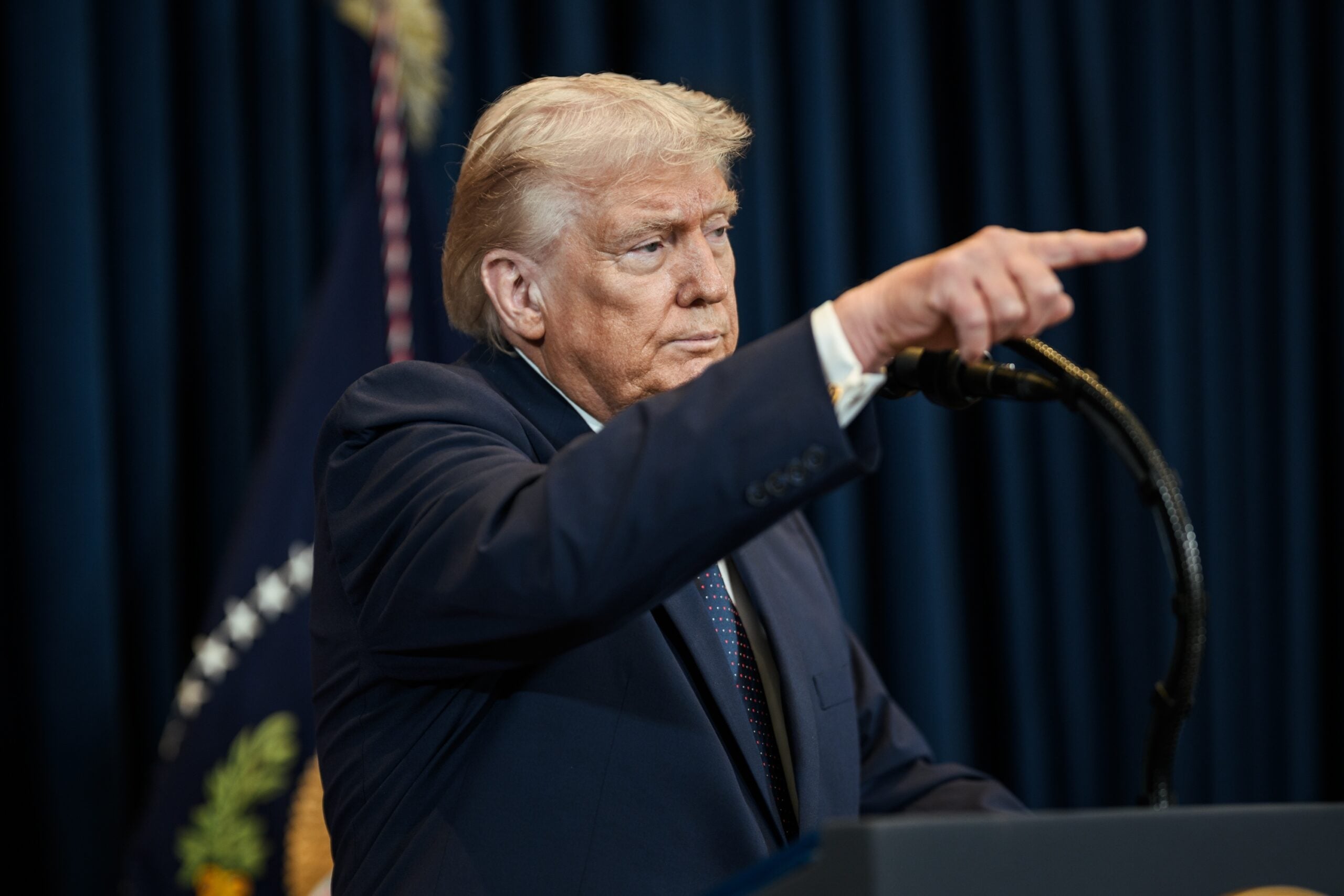
While U.S. President Donald Trump last week downplayed the likelihood of offensive strikes before the upcoming November 3 midterm elections, he publicly raised the possibility of targeting the fortified Iranian nuclear facility at Pickaxe Mountain. American officials emphasized that the military continues to draft and refine a comprehensive array of strike packages against Iranian targets.
Iran’s war mobilization is also expanding across its domestic home front. According to the report, state-sponsored rallies supporting the regime are taking place nationwide. At the same time, public advertisements in Tehran invite civilians to register for specialized training in shoulder-fired anti-aircraft missile systems and sniper tactics. The Islamic Revolutionary Guard Corps (IRGC) has also showcased female commando detachments trained in guerrilla warfare, small arms handling, and drone operations.
 3+
Meanwhile, the Iranian regime is exploiting the relative lull in direct military exchanges to reconstitute damaged assets. Iran is actively rebuilding missile and drone fabrication facilities, replenishing combat stockpiles, and fortifying perimeters surrounding strategic sites. Commercial satellite imagery analyzed by the Institute for Science and International Security in Washington revealed that over the past month, massive earth berms and physical obstacles have been constructed around nuclear facilities at Natanz and Pickaxe Mountain to repel potential ground commando raids.
Alongside military preparations, Iran remains gripped by a deepening economic crisis exacerbated by tightening U.S. sanctions and intense American pressure on international air carriers to avoid operating flights to the country. Tehran’s heightened war readiness and escalating threats toward regional states appear aimed at deterring the United States. At the same time, the regime tries to consolidate internal control amid mounting diplomatic and financial strain.