



Iran’s worsening economic collapse has penetrated deep into the ranks of the Islamic Revolutionary Guard Corps (IRGC), forcing mid-level and senior officers to take outside second jobs merely to survive, according to intelligence reports.
The reports indicate that IRGC Commander Ahmad Vahidi and Basij chief Hossein Taeb currently exercise de facto control over the country.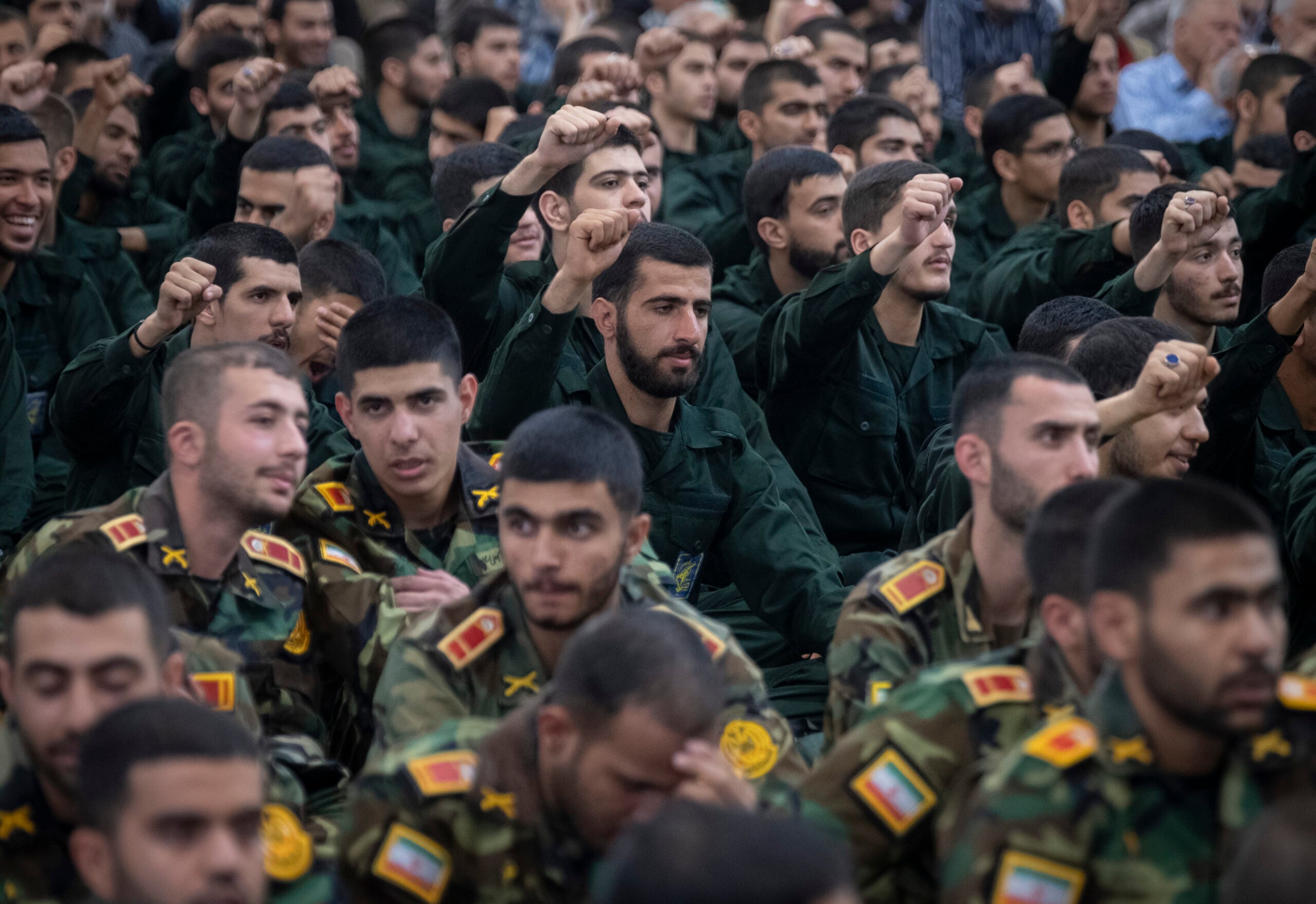

 1+
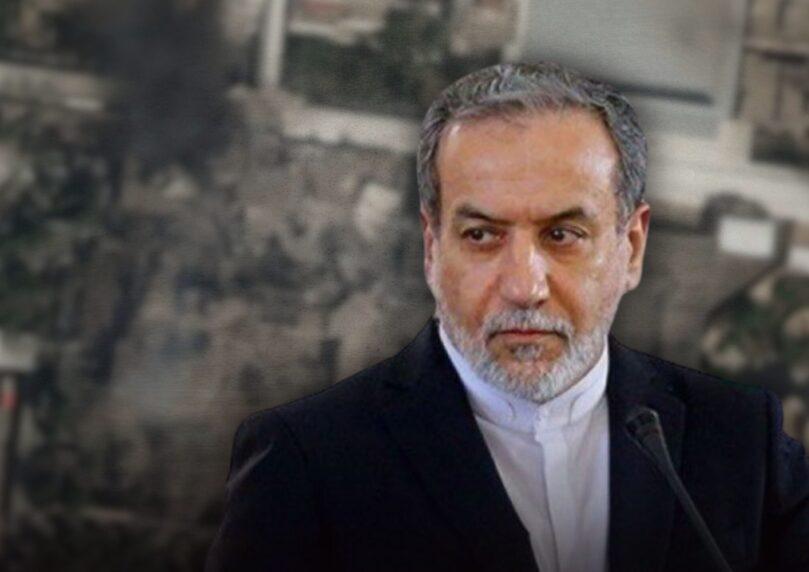
In contrast, public-facing civilian officials operate under severe intimidation: President Masoud Pezeshkian attempts to tender his resignation every other day, Foreign Minister Abbas Araghchi faces routine tongue-lashings from IRGC brass, and Parliament Speaker Mohammad Bagher Ghalibaf has been completely sidelined.
Meanwhile, IRGC leadership assesses that U.S. President Donald Trump intends to launch massive strikes against Iranian military and oil infrastructure immediately following the congressional midterm elections. Consequently, powerful factions believe they must preempt American action. Voices within the upper echelons of the IRGC are increasingly calling for the regional theater to heat up within the next three weeks: striking strategic regional targets, triggering a sharp spike in global oil prices, and applying acute political pressure on Trump on the eve of the vote.
 1+
Their strategic calculus is straightforward: assuming an American assault on Iranian oil facilities is inevitable, the regime prefers to deliver an opening blow, shock global energy markets, and exert leverage over the U.S. electoral climate. The primary goal is not necessarily to trigger immediate full-scale war, but to rattle Trump enough to compel Washington back to the negotiating table.
Timing remains pivotal: launching the disruption close enough to the midterms to maximize market volatility, yet providing sufficient lead time for the U.S. administration to reconsider military engagement.
At this critical juncture, Tehran’s paramount objective is neither advancing the nuclear threshold nor expanding its missile inventory—it is regime survival at virtually any cost, amidst an Iranian economy that has already crossed into outright collapse.