


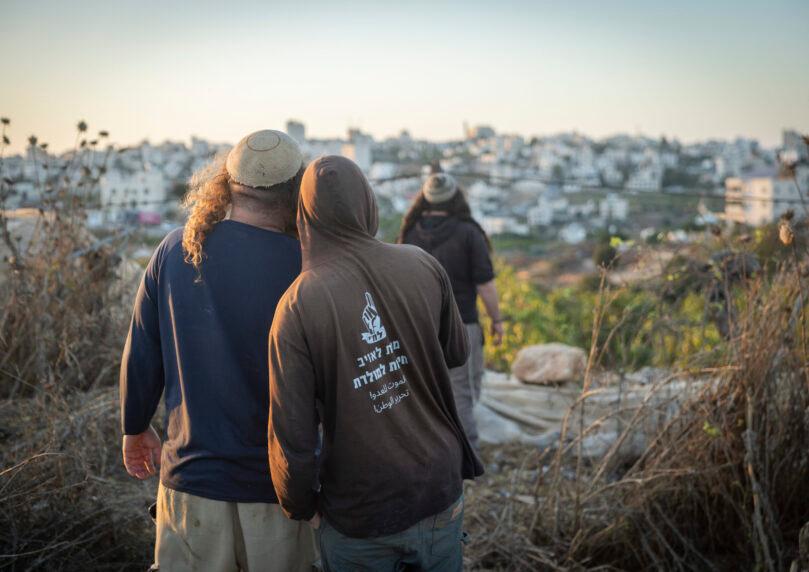

Following four years of unprecedented growth under Israel’s right-wing government, pioneering hilltop communities in Judea and Samaria are preparing for their next revolutionary leap. After decades of establishing tactical outposts through grassroots civilian initiatives, community leaders now demand formal state recognition, official development budgets, and legal regularization—including in Areas A and B and on disputed private lands. In an interview with Channel 14, leading activists explained how they could achieve this groundbreaking transition.

 3+
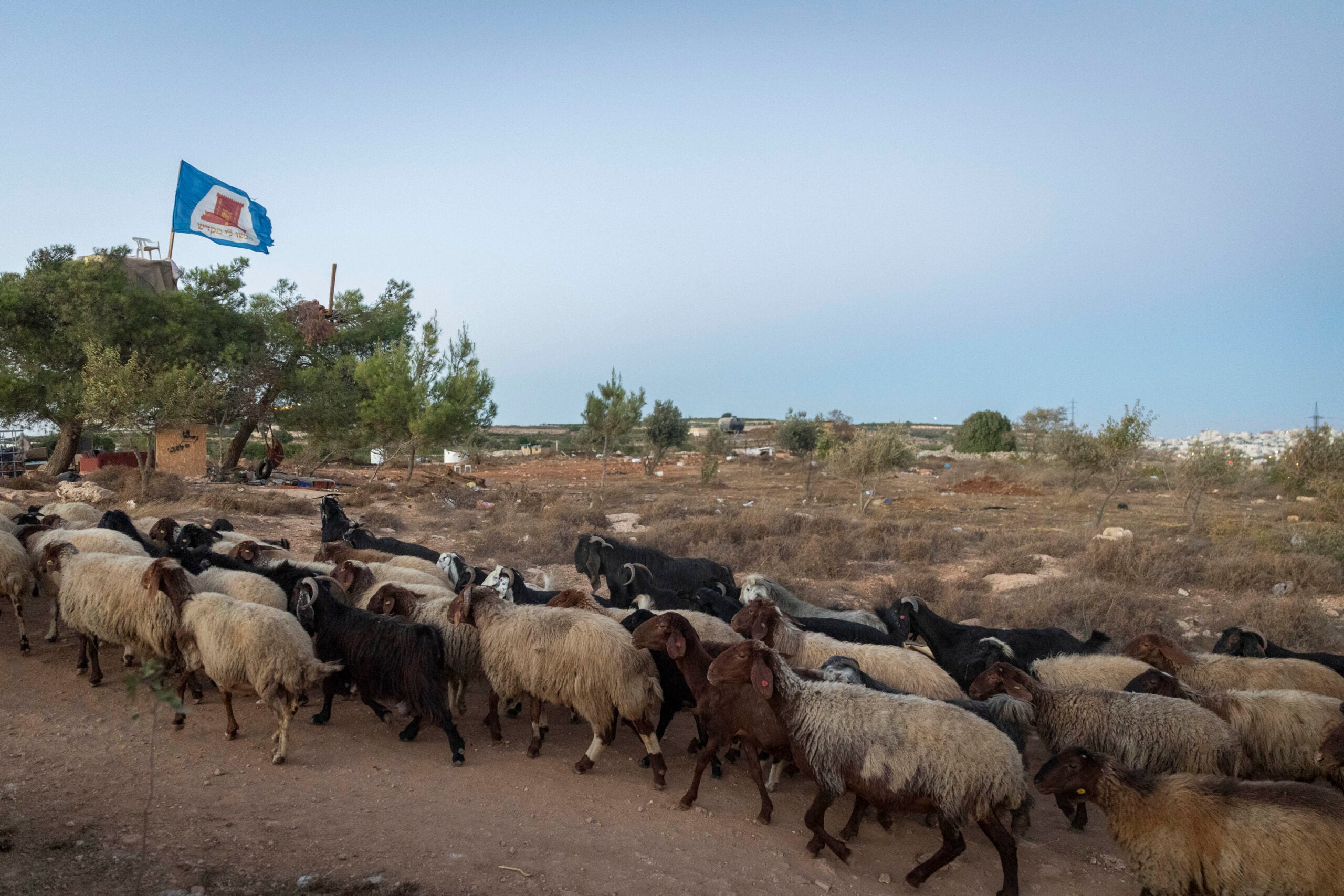
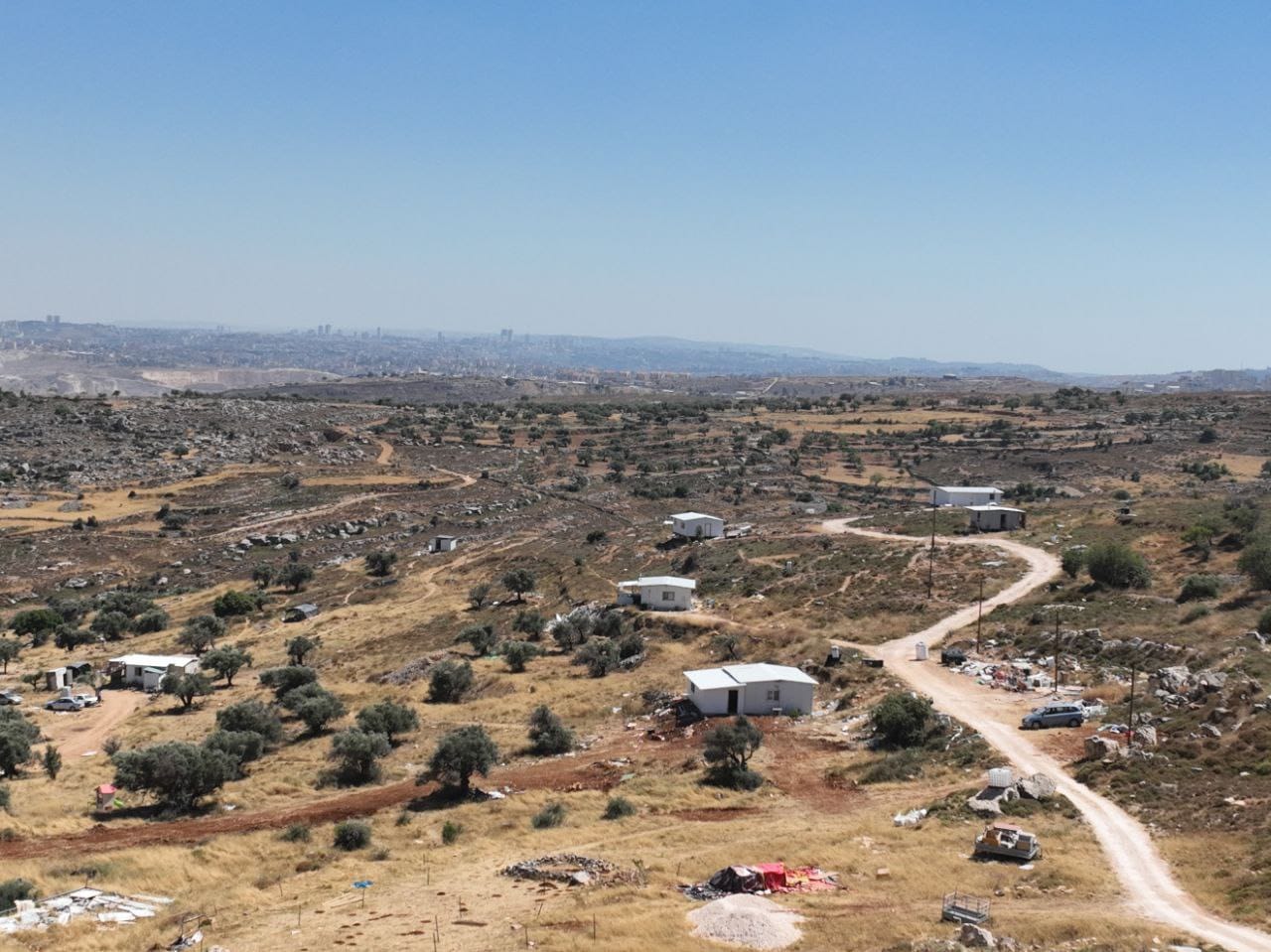
“We want to step up to the next level,” declared Shalhevet Goldstein from the Maoz Esther outpost, stressing that the ultimate goal is to build momentum so that “state institutions step in to provide complete backing and support for pioneering Jewish communities in Judea and Samaria.” Yehuda Lieber, a father and resident of the Oz Zion hilltop, emphasized that authorities can no longer ignore the reality on the ground: “There are dozens of families living on these hills, raising children, building, and requiring basic infrastructure, educational frameworks, and local security. The only question is how quickly it will happen, and the sooner it does, the better it is for everyone.”
With upcoming elections on the horizon, community leaders plan to enlist elected officials through legislative bills, policy revisions, and statutory land regularizations. Activists note that they must use the current political window to secure firm commitments from as many Knesset factions and candidates as possible. “We hope to recruit as many lawmakers as possible who realize that this is the future,” Goldstein said.
 3+
Will Imagination Sign a Peace Agreement with Reality?
To advance this blueprint, hilltop leaders acknowledge the complex legal and diplomatic hurdles standing in their way—chief among them two structural issues. According to Goldstein: “There are currently two core jurisdictional problems regarding land status in Judea and Samaria: the first is the Oslo Accords, which artificially partitioned the land into Areas A, B, and C, and the second is the outdated registry of private land.” This legal reality means most of the territory is treated as non-Jewish land, leaving state authorities reluctant to retroactively authorize outposts through traditional channels.
Despite these hurdles, activists argue that the state must overhaul its doctrine and accommodate reality, particularly as several hilltops now house dozens of permanent families. Naftali Auerbach, a resident of Maoz Esther, outlined the rationale behind the escalation: “We demand that the state recognize and support pioneering presence on private lands and inside Areas A and B. My role is to challenge the system. I have pushed for regularization efforts that question state institutions directly: why oppose pioneering communities rather than back it?”
 3+
The Vision – Dismantling the Oslo Accords
Lieber pointed out the arbitrary disparity between fully authorized towns and pioneer outposts, highlighting the absurdity of ignoring communities not situated on formal state lands: “There are vast tracts of land in Judea and Samaria classified as ‘private ‘Palestinian’ land’ dating back to the Jordanian monarchy, yet in most cases there isn’t even an Arab claimant asserting ownership. Because Israel still honors that Jordanian partition, it refuses to treat these communities the same way it treats Jewish communities on recognized state lands.”
On a practical level, activists argue that the government and Knesset possess multiple tools to facilitate immediate regularization. Goldstein detailed several avenues: “Lawmakers can advance bills annulling the Oslo Accords, pass legislation establishing unique land registration frameworks for Judea and Samaria, or authorize the utilization of abandoned property.” Additional practical solutions include Central Command expropriation orders, comprehensive land re-registration, or officially classifying hilltop outposts as military security components inside Area B.
 3+
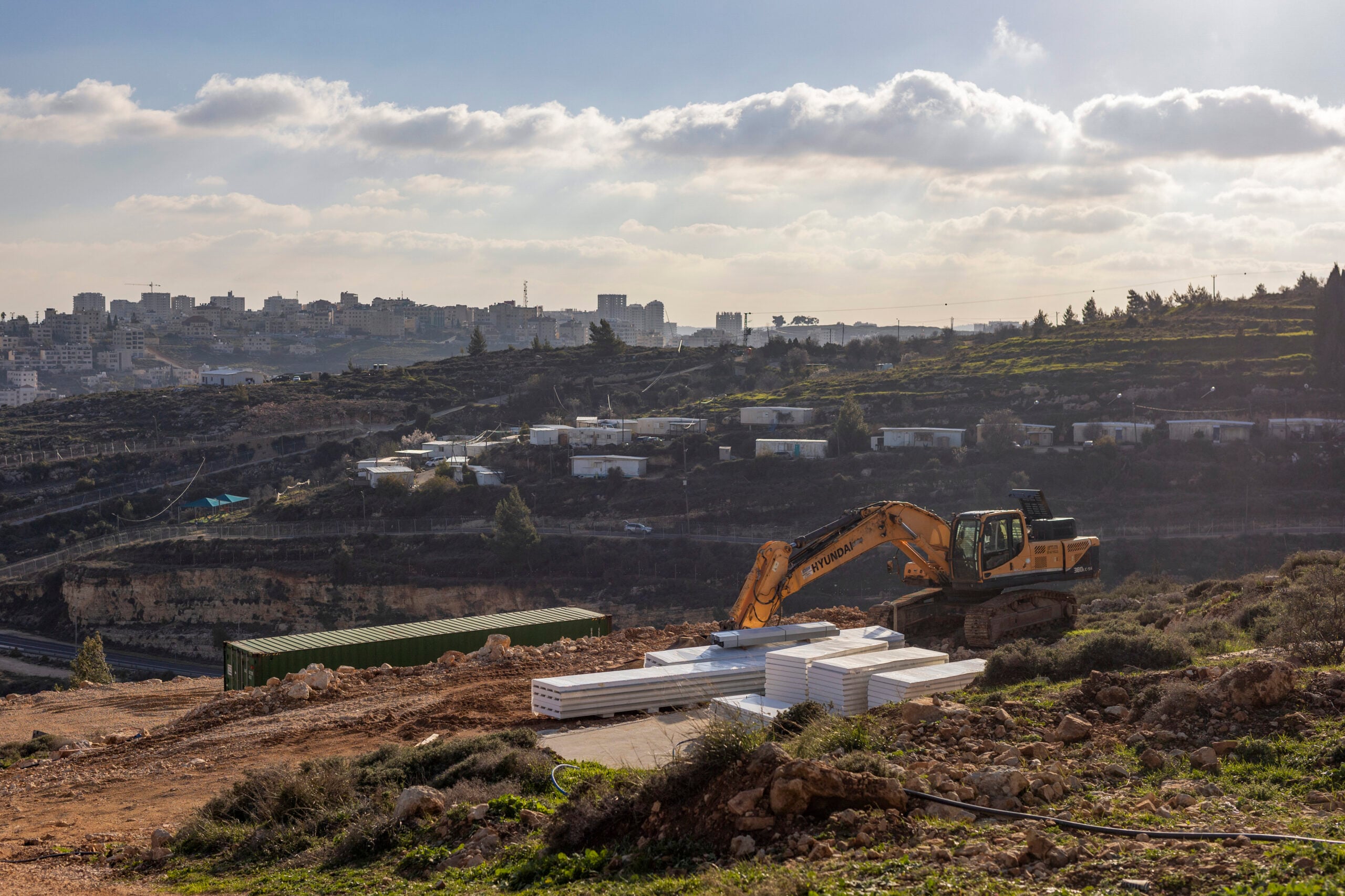
Beyond long-term statutory changes, activists stressed that immediate municipal and daily needs must be met right away. “Until final legal authorization is enacted, the state and municipal regional councils already have the tools to support us—whether through security equipment and budgets, or directives ensuring kindergartens, school transit, and waste disposal,” Goldstein noted, adding that this is entirely a matter of political will and budgeting.
The overarching goal, as Auerbach summarized, is “free, recognized, and planned communities across the entire homeland, fully supported by the authorities.” Ultimately, pioneer communities believe that the decades-old concept of settling alongside ‘Palestinian’ population centers rather than displacing them permanently shattered on Simchat Torah. Their mission now is to impart that realization to the state leadership. “We continually emphasize that we are not working against the state, but pushing the state to change its doctrine,” Auerbach concluded. “Without people pushing from the ground, that policy will never change.”