


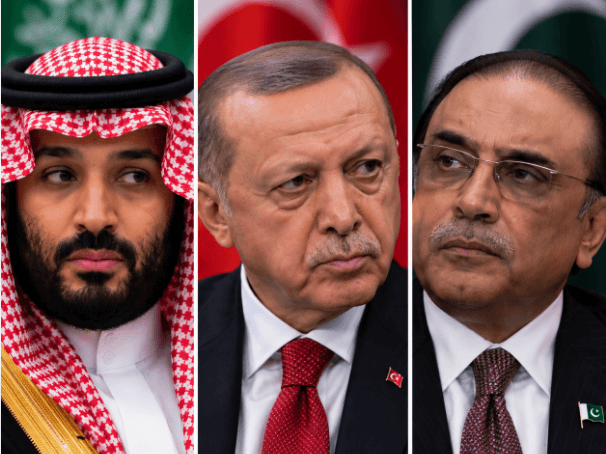

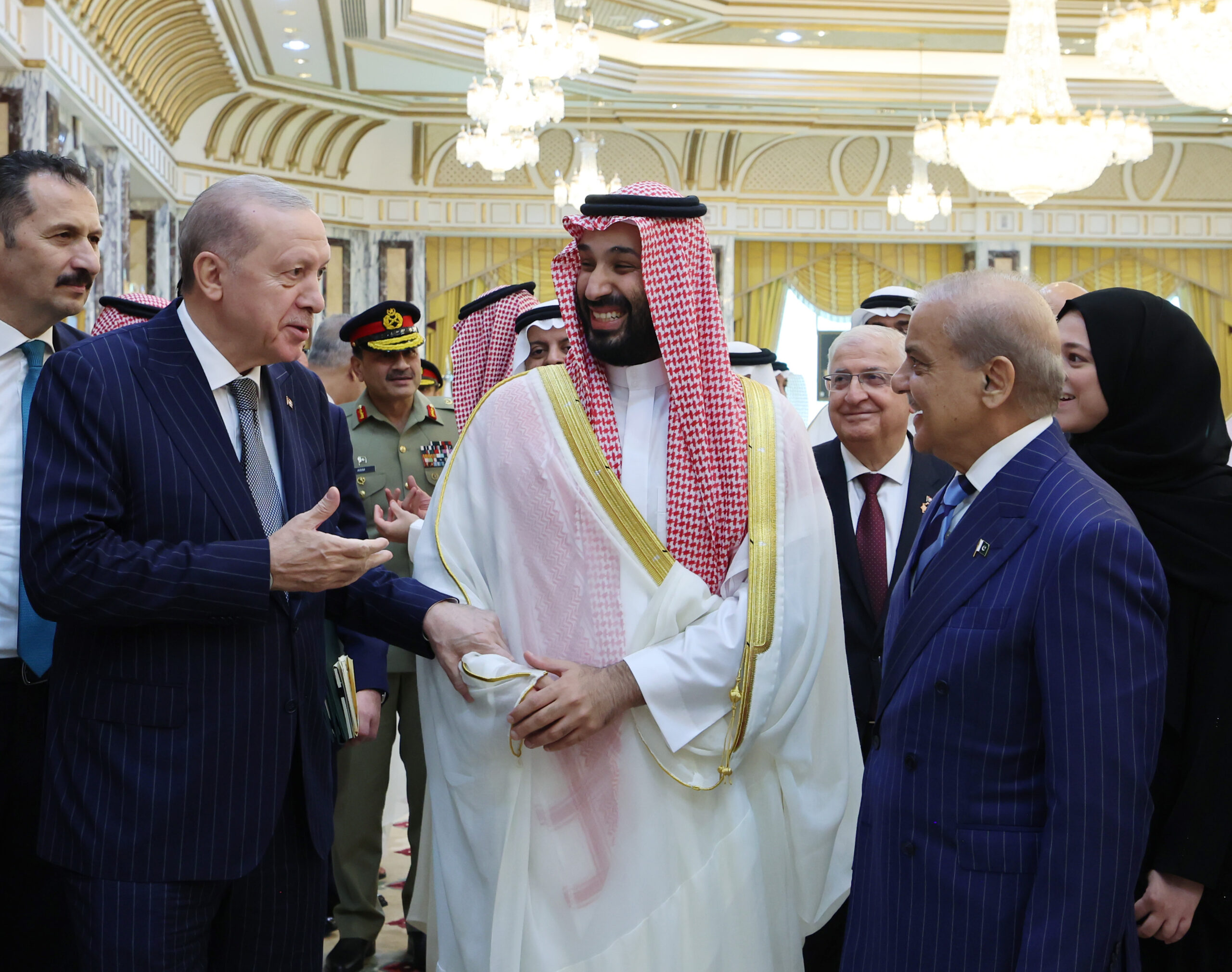
Saudi Arabia, Turkey and Pakistan will hold emergency talks in Riyadh next week to determine how to respond to escalating attacks by Yemen’s Iran-backed Houthis, Pakistani Foreign Minister Ishaq Dar announced Thursday.

 4+
4+The urgent meeting comes amid a sharp escalation in Houthi missile and drone attacks against Saudi Arabia, placing growing pressure on the three countries to determine whether the crisis requires a coordinated security response. The discussions are expected to take place within the framework of the countries’ Mecca Joint Defense Agreement, under which an armed attack against one member is treated as an attack against all three, significantly raising the stakes as Riyadh faces renewed threats from Yemen.
 4+
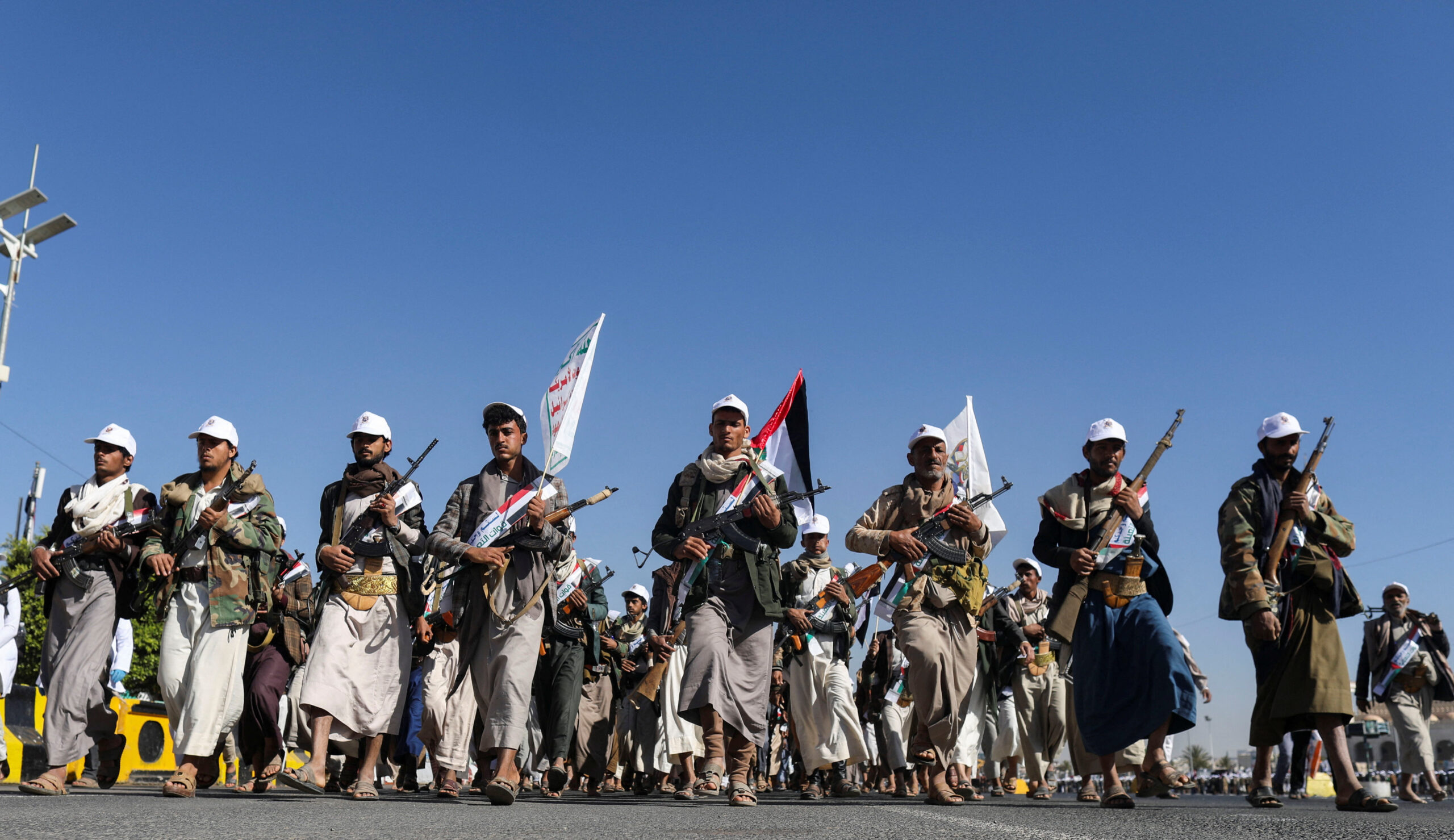
4+Dar said the three governments would use the emergency meeting to discuss the deteriorating security situation and possible responses to the Houthi attacks. The development comes as Saudi Arabia has faced a renewed barrage of missiles and drones launched from Houthi-controlled territory in Yemen. Saudi air defenses have intercepted multiple incoming threats in recent days, while Riyadh has accused the terrorist group of targeting civilian, religious and economic infrastructure. In one of the latest attacks, Saudi authorities said two ballistic missiles and four drones were intercepted over southern Saudi Arabia.
 4+
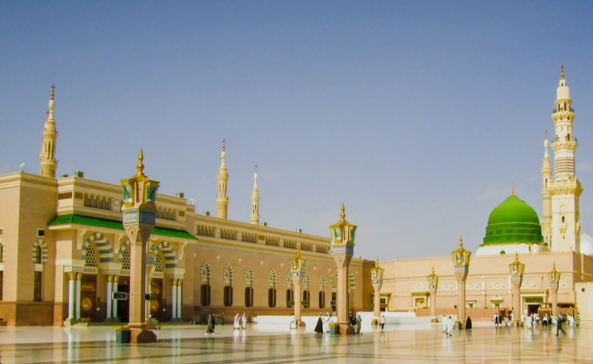
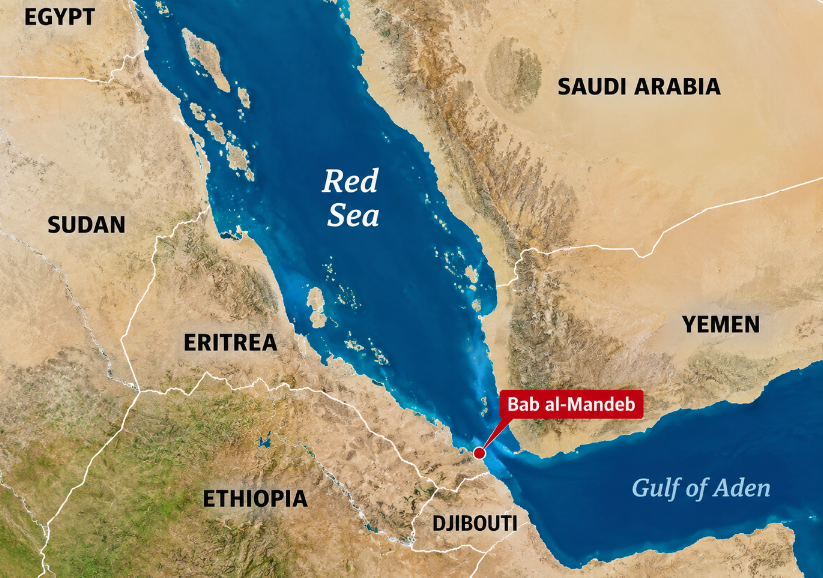
4+Riyadh has also accused the Houthis of responsibility for a drone strike Tuesday on a power distribution facility in Medina that supplies electricity to the Prophet’s Mosque, one of Islam’s holiest sites. The Houthis have denied responsibility for the Medina attack. The escalating confrontation has raised concerns that the fighting could expand beyond the long-running conflict in Yemen and increasingly threaten Saudi territory, regional energy infrastructure and vital maritime routes through the Red Sea and Bab al-Mandab.
 4+
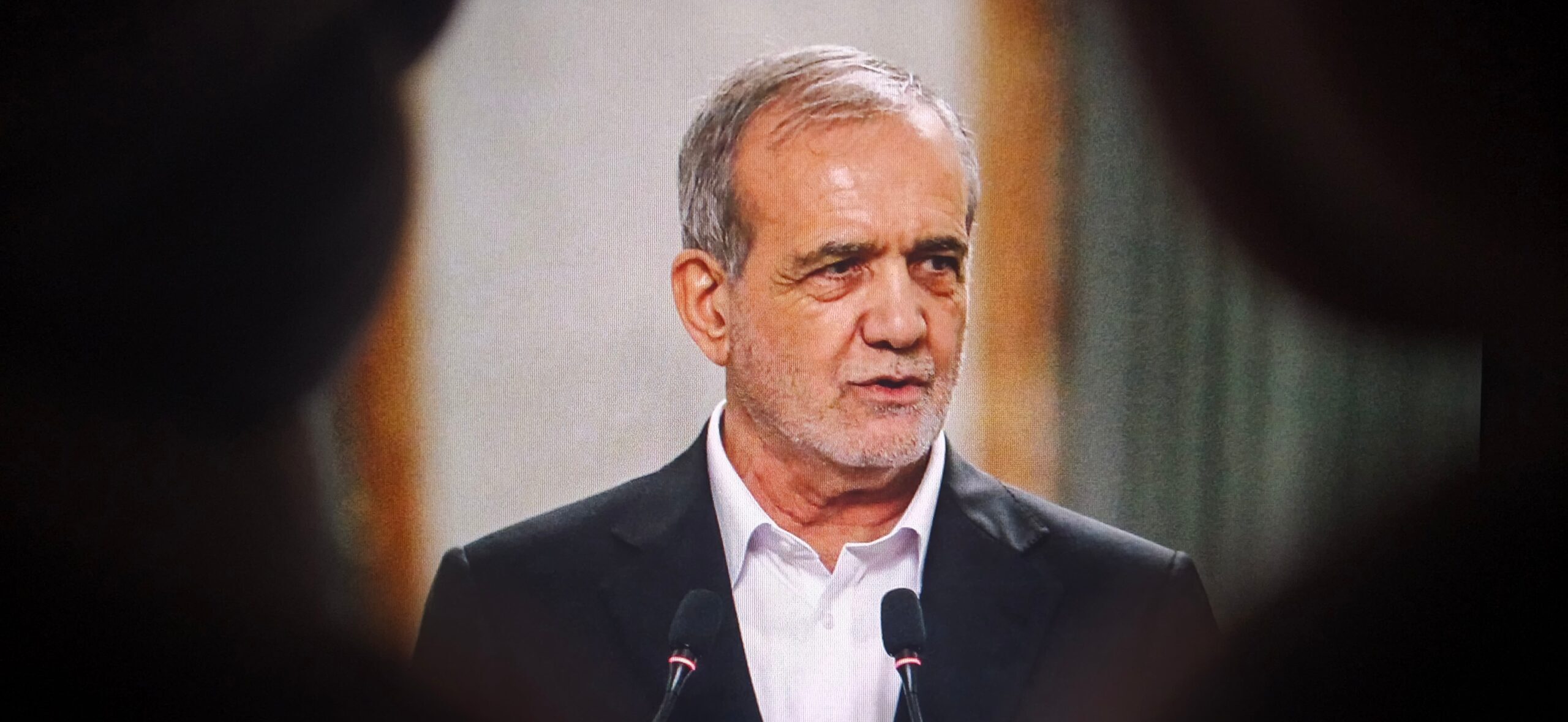
4+Iran, meanwhile, is reportedly urging the countries to pursue diplomacy rather than further military action. According to Dar, Tehran has proposed political engagement with the Houthis as an alternative to what he described as “kinetic action.” He said Iranian President Masoud Pezeshkian and Foreign Minister Abbas Araghchi had indicated that Tehran wants the confrontation resolved politically. The comments represent Pakistan’s account of Iran’s position rather than a formal announcement from Tehran.
 4+
4+Iran has long backed the Houthis, who have developed an increasingly sophisticated arsenal of ballistic missiles and attack drones and have repeatedly targeted Saudi Arabia, Israel and international shipping during periods of heightened regional conflict. The emergency Riyadh meeting will therefore be closely watched for signs that Saudi Arabia, Turkey and Pakistan are moving toward a more coordinated response — diplomatic, defensive or potentially military — as the Houthi threat again emerges as a major flashpoint in the wider regional confrontation involving Iran and its network of armed proxies.