


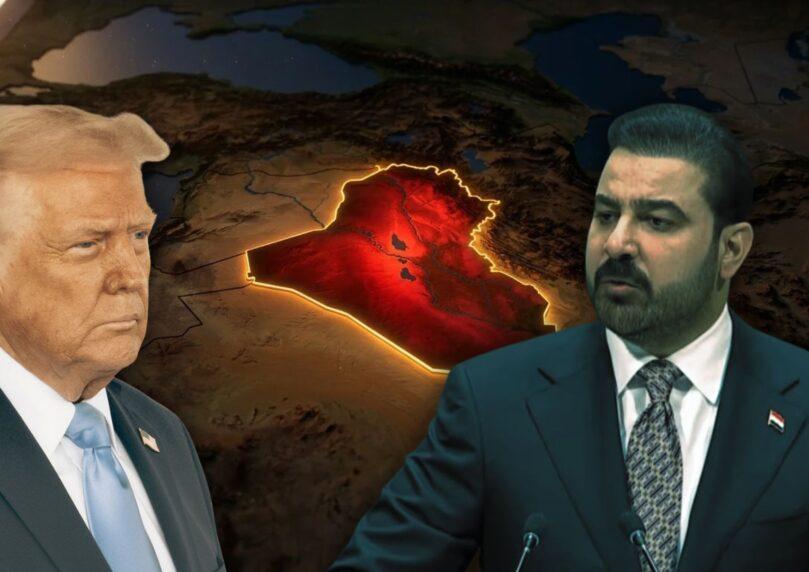

Street celebrations unseen in years erupted across Iraq on Tuesday as the United States concluded the total withdrawal of its forces from the country for the first time since 2014, leaving Iraq entirely to its own devices on national security. Amid the public festivities, Iranian-backed Shiite terror groups declared an outright “historic victory” over the U.S. The rapid drawdown raises a pivotal question: how did President Donald Trump allow this scenario to unfold?


 3+
3+Iraq entered a new political chapter at the end of April when young businessman Ali al-Zaidi replaced Mohammed Shia’ al-Sudani as prime minister. Trump, who consistently backed al-Zaidi throughout his political campaign, spotted an opening to wrest Iraq from Tehran’s grip.
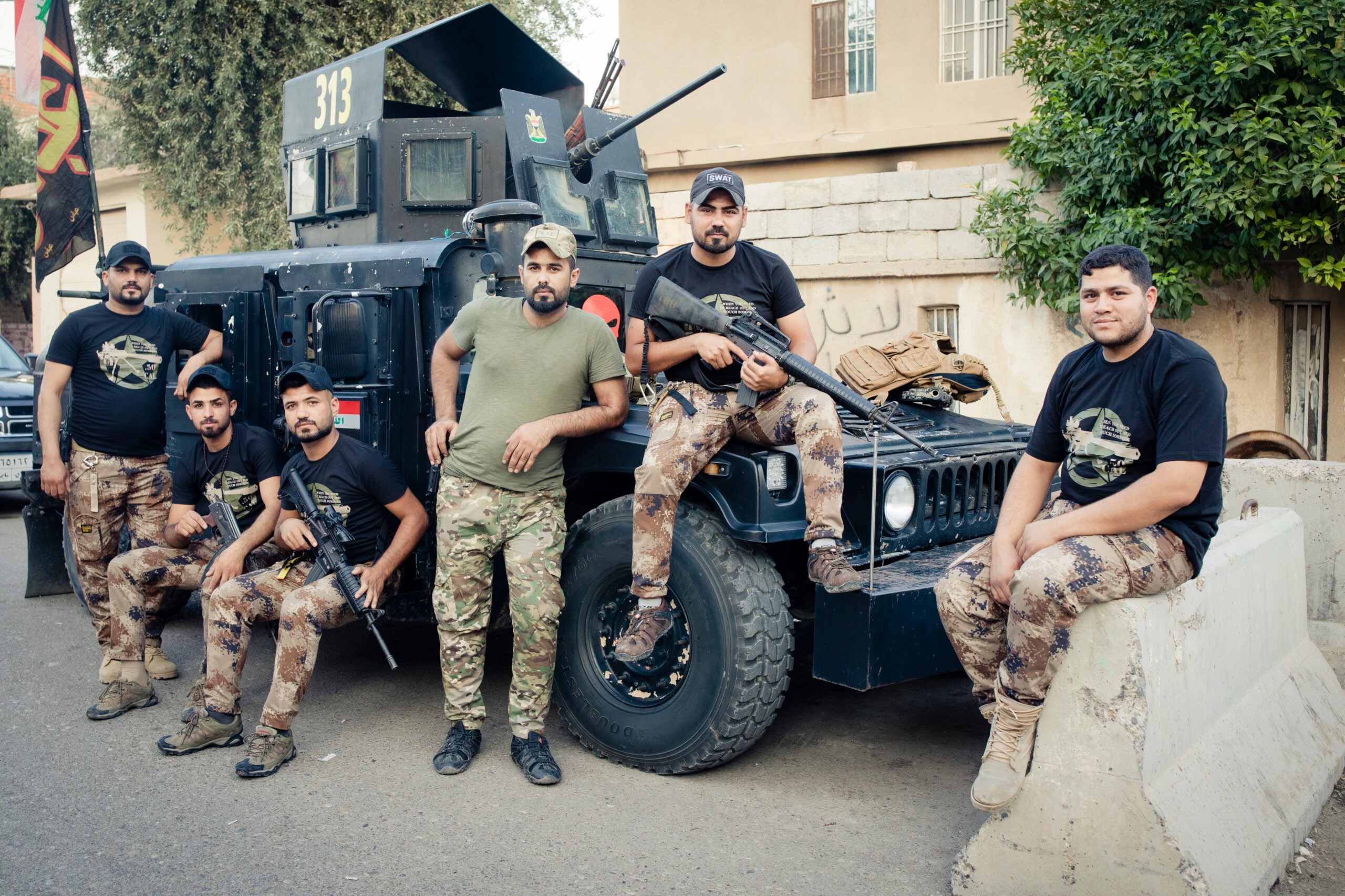
Ever since the fall of Saddam Hussein, ties between Iran and Iraq have steadily deepened. The rise of a Shiite-led governing coalition representing Iraq’s demographic majority after decades of Sunni Ba’athist rule brought Baghdad closer to its eastern neighbor—spawning dozens of heavily armed, Iranian-backed terror militias deployed across the nation.
 3+
3+Trump viewed al-Zaidi as his primary lever to sever—or at least substantially diminish—Iranian influence. Drawing on their shared backgrounds as successful businessmen, Trump engaged him in a transactional language both understood: money and investment. The equation appeared straightforward: al-Zaidi would systematically disarm the pro-Iranian militias, and in exchange, the United States would inject major economic investments to rebuild Iraq following years of crippling sanctions. On the ground, however, the militias balked at the terms, demanding the unconditional and total removal of U.S. troops—originally outlined during the Biden administration—before entertaining any disarmament. Even then, several factions outright refused ever to surrender their weapons.
A compromise was brokered to run both tracks simultaneously, setting a firm deadline for September 30, 2026—the exact target established two years before concluding the US-led international coalition mission. Iraq hoped to turn a new page after this date, but the militias actively obstructed the process. By early September, an Iraqi military spokesman conceded that there was no longer a binding deadline to disarm the country’s terror groups, directly contradicting the agreement.
 3+
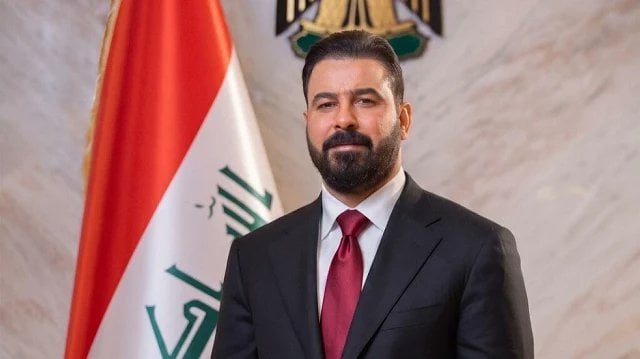
3+Just 11 days later, Prime Minister al-Zaidi met with U.S. Secretary of State Marco Rubio on the sidelines of the 81st UN General Assembly in New York, presenting a revised sovereign disarmament blueprint that delayed the collection of militia weapons until June 30, 2027—nine full months past the original deadline.
The operational reality is stark: for the next nine months, American troops will no longer be on Iraqi soil, while Iranian-aligned Shiite militias—which have repeatedly fired ballistic missiles and suicide drones toward Israel in recent years—will roam freely across the country without a U.S. deterrent presence.
 3+
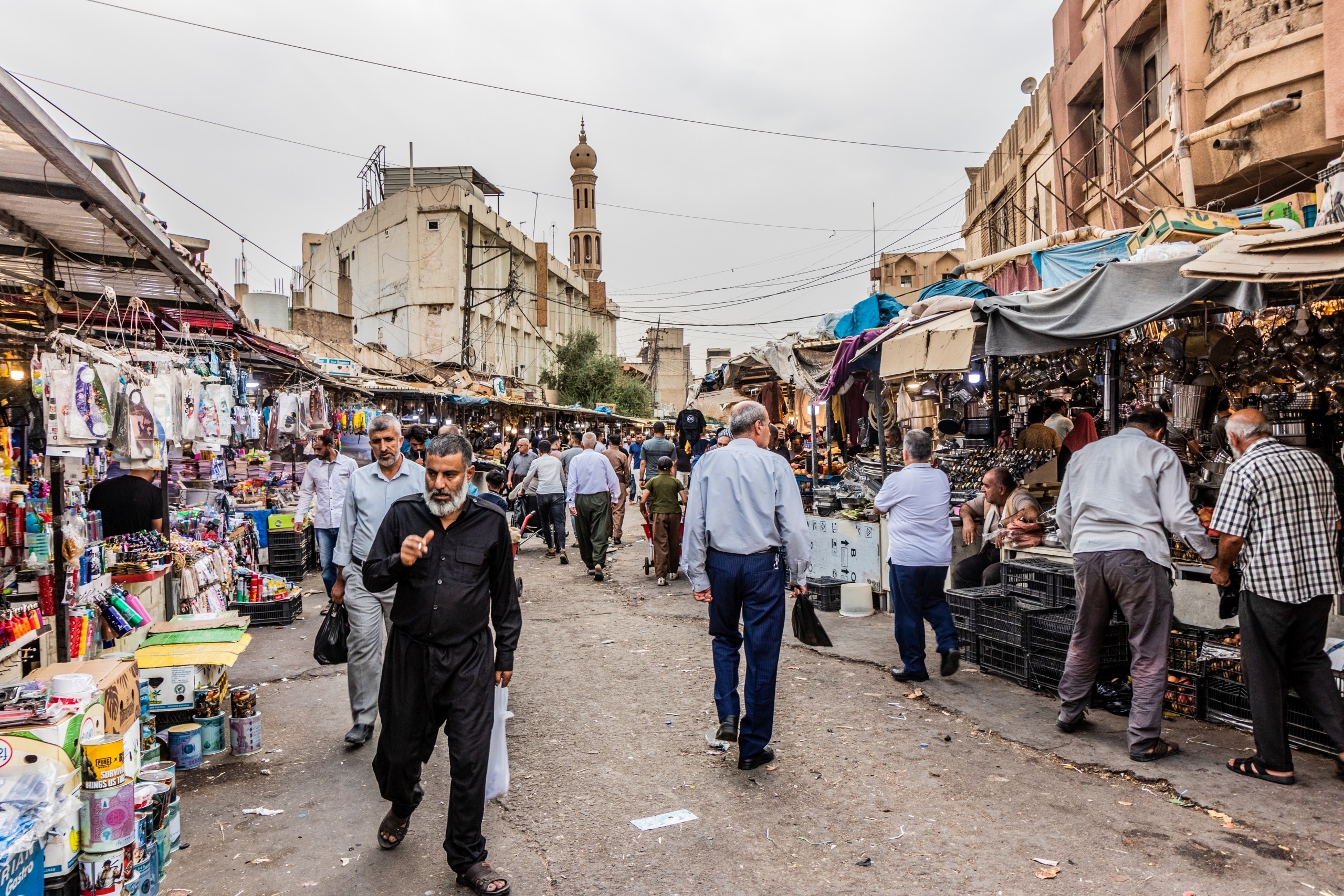
3+As during the initial rise of ISIS, the Kurds stand as the first victims of this withdrawal. Following the removal of U.S. air defense batteries from the Iraqi Kurdistan Region, Tehran recognized the Kurds as vulnerable targets, launching direct missile and drone barrages against them. Their security outlook threatens to deteriorate further as Shiite militias operate completely unhindered by American forces.
It remains unclear how President Trump sanctioned this outcome, particularly given that the previous American drawdown in 2011 directly incubated the rise of ISIS. However, not all U.S. and allied military footprints in Iraq may be known to the local government—a reality underscored this past May when revelations emerged that Israel had established a clandestine installation operating inside Iraqi territory.