


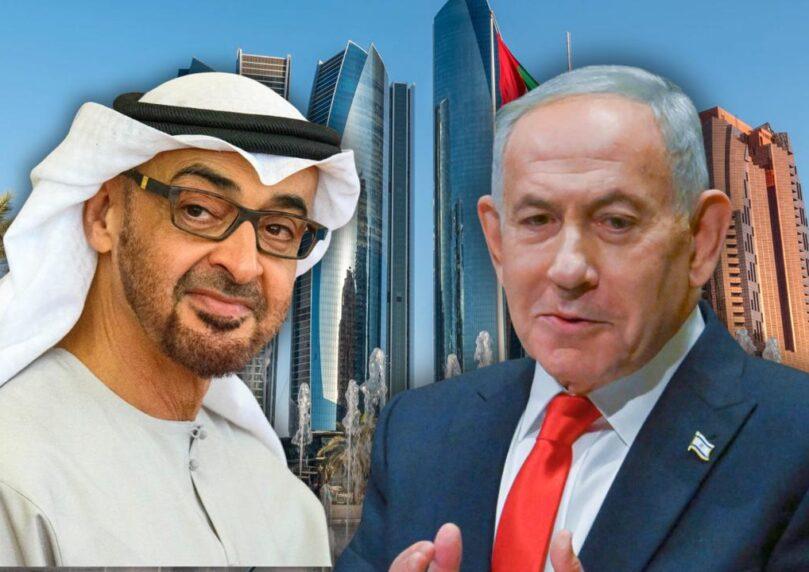

The Abu Dhabi meeting between Prime Minister Benjamin Netanyahu and UAE President Mohammed bin Zayed was far more than a bilateral summit. In the past 24 hours, Channel 14 has uncovered new details about the gathering, including that Netanyahu split the meeting into two parts: first a session with bin Zayed and representatives from both countries, followed by an expanded meeting with representatives from additional nations.
A senior UAE official confirmed to Channel 14 that representatives from ten countries participated in the meeting: Israel, the United Arab Emirates, Saudi Arabia, the United States, Morocco, Kuwait, Bahrain, Libya, Oman, and Egypt. We can now reveal new details from inside those discussions.

 2+
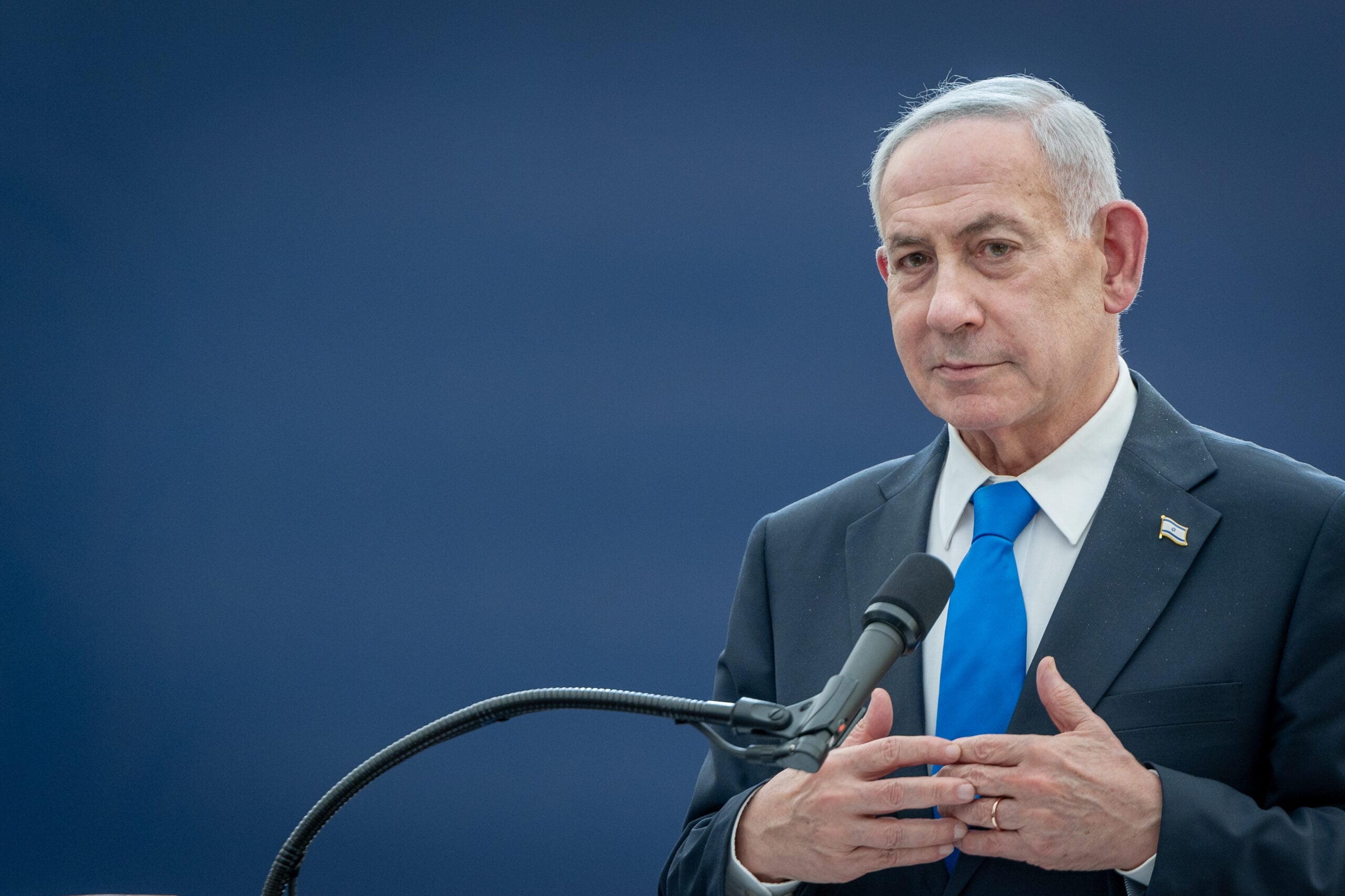
2+The summit focused on several key areas: deepening security and intelligence cooperation between Israel and the Emirates, building a regional framework to defend against shared threats, an action plan against Iran and the Houthis, intelligence and security assistance to Saudi Arabia, and the possibility of gradually building a new regional coalition. Among other things, Netanyahu presented to participants how sanctions and economic pressure have damaged the Iranian regime, and called on representatives of the countries present to ensure that money stops flowing through their territories to Tehran.

From there, the discussion moved to one of the region’s main vulnerabilities: energy. Participants discussed the possibility of an oil route bypassing the Strait of Hormuz in a scenario where Iran uses oil and gas as leverage, as well as preparations for a possible strike on desalination facilities and critical infrastructure in Gulf states.
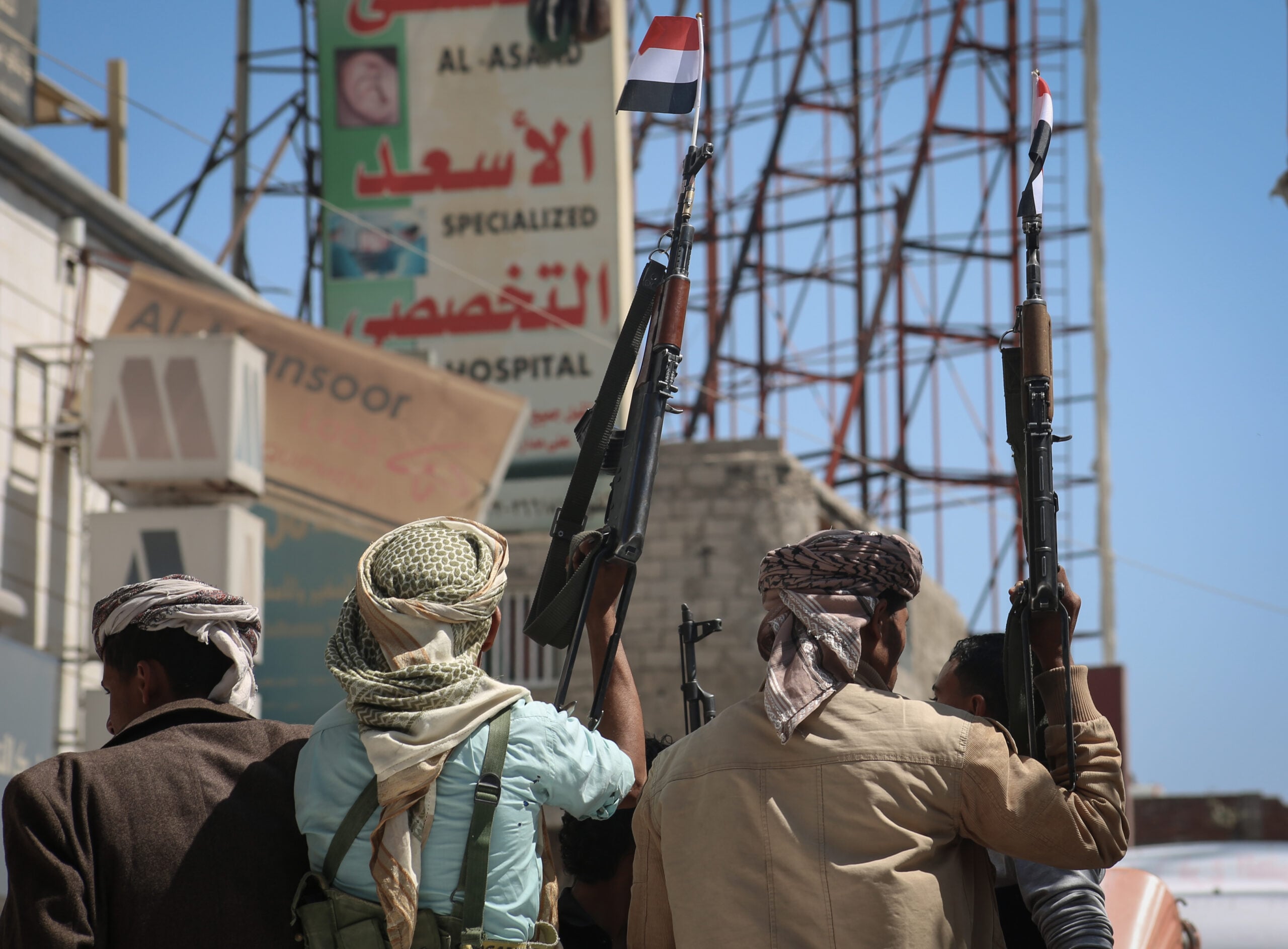
The war has already demonstrated how significant this threat is. Traffic through Hormuz has been disrupted, Saudi Arabia has been forced to seek alternative routes for oil exports, and the Red Sea route is also threatened by the Houthis and the war in Yemen. Therefore, the Houthis were also a central part of the discussion.
 2+
2+Still, a gap emerged in the room between Netanyahu and bin Zayed. Netanyahu wants to continue the campaign against Iran, while from bin Zayed’s perspective, continuing it depends on providing adequate security protection to Gulf states. According to our information, Saudi Arabia also requested Israeli assistance at the meeting. Netanyahu didn’t rule it out—but set conditions.
This connects to another development: normalization with Saudi Arabia is back on the table. Intelligence cooperation between Jerusalem and Riyadh is expanding in the face of the Houthi threat, which could push the political track forward again as well. In the background of all this is disappointment with America’s conduct. According to the Arab states, the United States cannot be relied upon in the long term, and therefore Israel is a more reliable partner for them.
 2+
2+For the regime, last night’s gathering is already drawing attention in Tehran. According to our information, threats were conveyed through intermediaries to countries that participated in contacts with Israel—and the Revolutionary Guards are on high alert.
There’s no doubt that the Iranian threat is accelerating dramatic processes for Israel that were once a dream.