


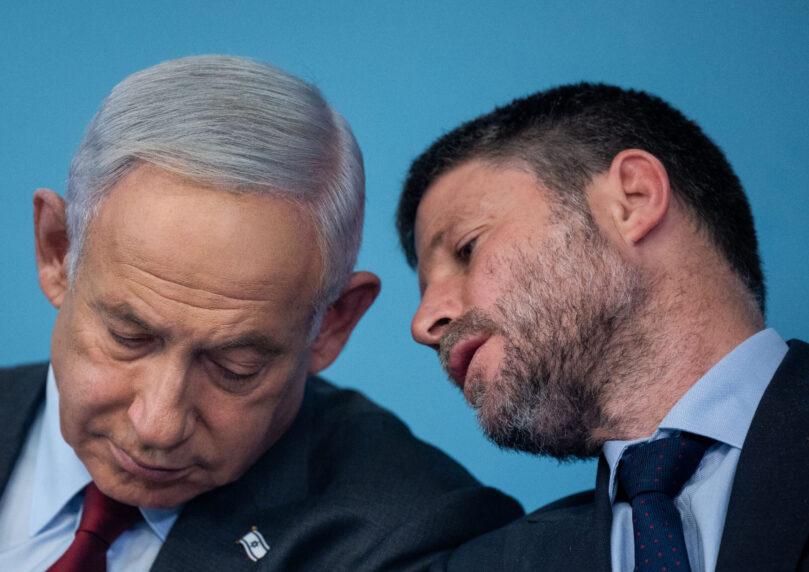

Likud’s election campaign under the slogan “Right or ‘Palestine'” seeks to focus the race on the question of establishing a ‘Palestinian’ state. But while the issue has become one of the central campaign slogans, recent years have seen a series of major moves in Judea and Samaria—many of them led by Religious Zionism chairman and Finance Minister Bezalel Smotrich.

 4+
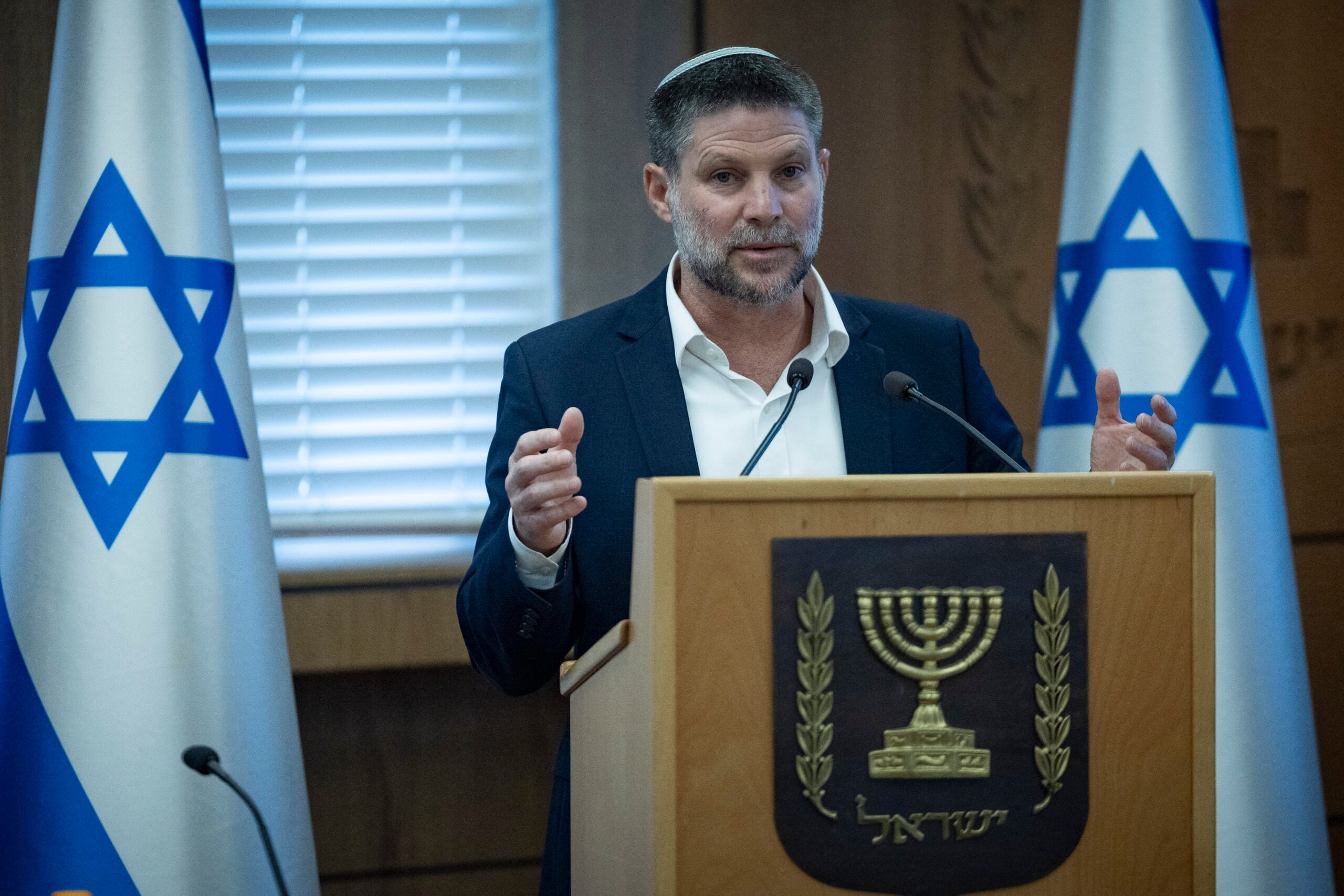
4+Since the government was formed, 104 communities in Judea and Samaria have been advanced and legalized, along with more than 160 farms. Throughout his term, Smotrich has presented expansion as one of the main tools for creating Israeli territorial continuity and preventing the possibility of establishing a ‘Palestinian’ state in the future.
E1: The Plan That Waited Decades
One of the most significant moves advanced during his tenure is approval of the E1 plan, between Jerusalem and Ma’ale Adumim. The plan includes about 3,400 housing units and was frozen for many years due to opposition and international pressure.
In August 2025, the plan received final approval from the planning committee. Smotrich explicitly presented the move as part of a policy designed to thwart the establishment of a ‘Palestinian’ state. Opponents of the plan also argue that it severely damages the possibility of creating territorial continuity for a future ‘Palestinian’ state. “The idea of a ‘Palestinian’ state is taken off the table not through slogans, but through actions,” Smotrich said after advancing the plan.
Tens of Thousands of Housing Units and a System Change
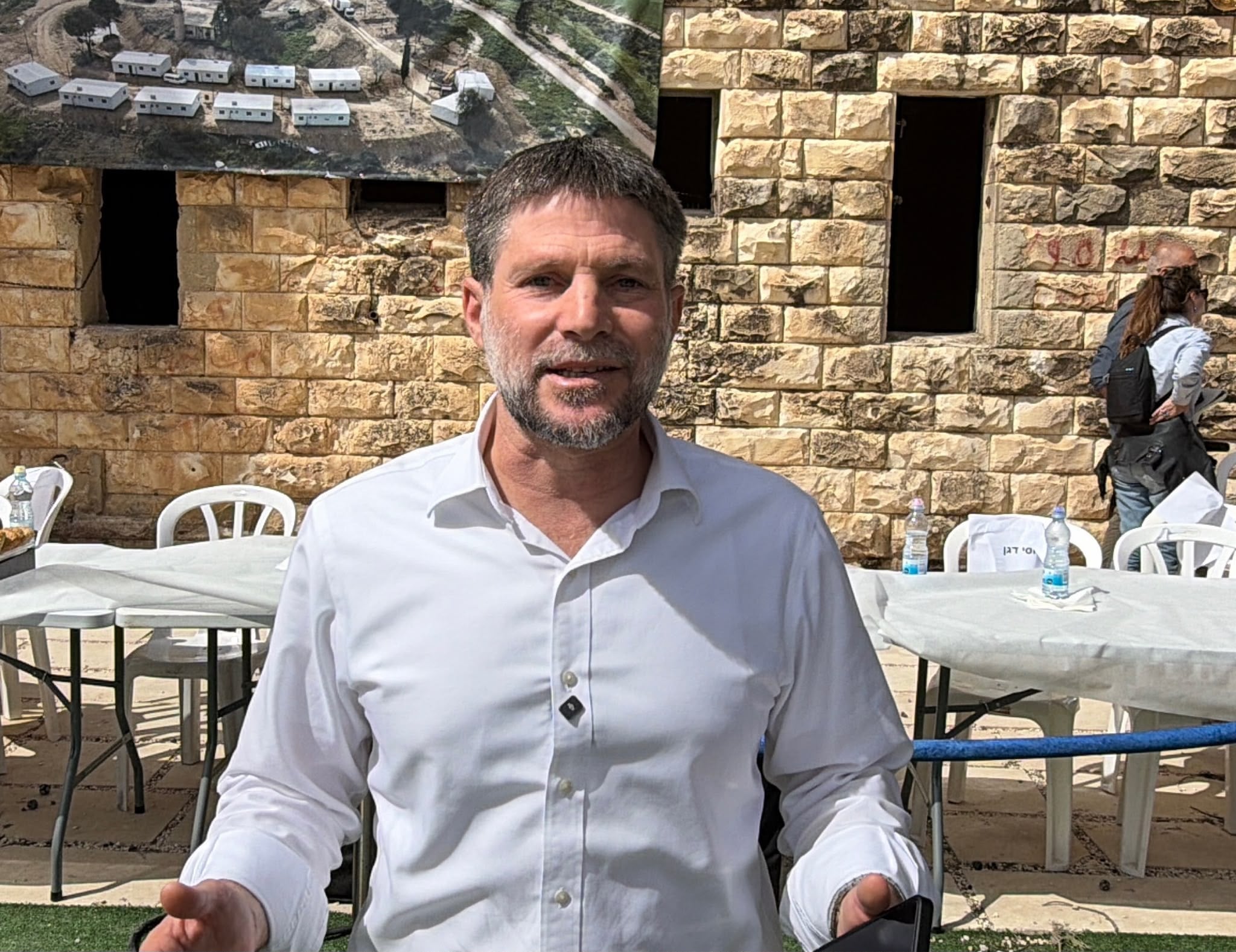
The change wasn’t limited to establishing new communities. Since Smotrich took office, close to 60,000 housing units have been advanced in Judea and Samaria. For comparison, in the decade between 2013 and his entry into office, 56,185 housing units were approved. In other words, in just about three years, the volume of approvals reached a number higher than what was recorded throughout the preceding decade.
Alongside the construction volume, the working method also changed. In June 2023, the government changed the mechanism for approving construction plans in communities and eliminated the need for political-level approval at each stage of advancing a plan.
 4+
4+Subsequently, the Supreme Planning Council began meeting far more frequently than before—sometimes every two weeks and even weekly—instead of a limited number of concentrated meetings per year. This made the process of advancing construction in Judea and Samaria more continuous and less dependent on specific political approvals.
Billions for Roads in Judea and Samaria
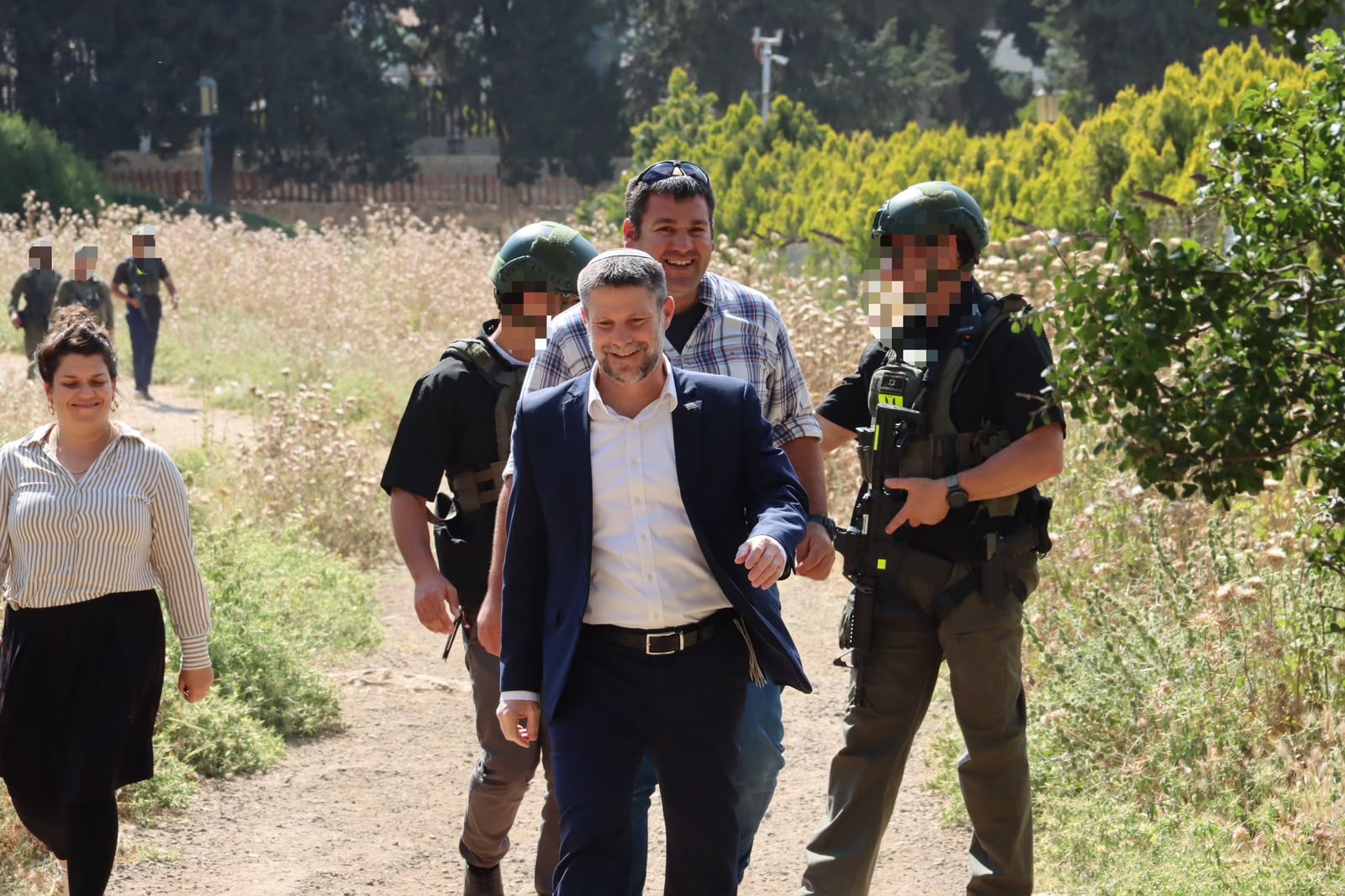
Another significant change was recorded in infrastructure. Smotrich advanced a plan totaling about 7 billion shekels ($2.3B) over five years for roads in Judea and Samaria. Part of the road budgets were incorporated into the baseline budget for the first time, a step that enables long-term planning of transportation infrastructure in the area. In addition, a budget framework of more than a billion shekels was approved for paving roads to the new communities established during the term.
 4+
4+Alongside the roads, 61 million shekels were invested in improving cellular reception in Judea and Samaria. In the first stage, 22 antenna sites were established under state leadership, and in the second stage 28 additional sites, with another stage in staff work.
State Lands, Enforcement, and Farms
The land sector also saw significant acceleration. From Oslo until Smotrich took office, about 60,000 dunams were recognized as state land. During his roughly three years in office, more than 30,000 additional dunams were recognized. Added to this is the establishment of more than 160 farms, holding a cumulative area of about a million dunams.
 4+
4+At the same time, enforcement against illegal ‘Palestinian’ construction in Area C was increased. The scope of enforcement grew significantly compared to previous years, and 2025 was recorded as a record year for demolitions of illegal construction in the area.
And What About Money to the ‘Palestinian’ Authority?
Another significant front is relations with the PA. For many months, Smotrich, within his authority as finance minister, withheld transferring funds to the PA. The decision was renewed monthly, and cumulatively involves billions of shekels.
Throughout the years, Smotrich has presented economic policy toward the PA as part of the fight against the move to establish a ‘Palestinian’ state and as a response to its activity against Israel in the international arena.
 4+
4+Alongside activity in Judea and Samaria, Religious Zionism is also advancing a plan for Jewish communities in the Negev and Galilee. Under the plan, community nuclei have begun to take shape that are supposed to be established on the ground.
In the civilian sphere as well, steps were advanced during the term to narrow the gap between Judea and Samaria residents and residents within the Green Line, including application of tracks parallel to Tama 38 and evacuation-reconstruction.
Between the Slogan and Actions on the Ground
The “Right or ‘Palestine'” campaign is expected to become one of Likud’s central messages in the election. But the battle over the future of Judea and Samaria and the possibility of establishing a ‘Palestinian’ state has also been waged in recent years far from billboards and campaign videos.

Establishing and legalizing communities, tens of thousands of housing units, E1, declaring tens of thousands of dunams as state land, changing planning mechanisms, and investing billions in infrastructure—all of these actually changed the reality in Judea and Samaria during the term.
A significant portion of these moves was led by Smotrich, who received significant powers related to Judea and Samaria and the Civil Administration when the government was formed. From his perspective, at least, the message that Likud is now presenting in its election campaign has already been translated during the term into policy and steps on the ground.