


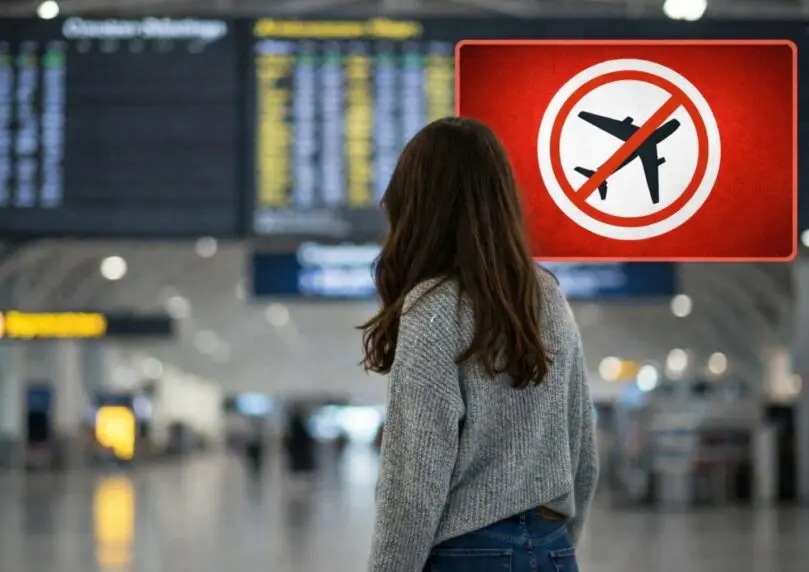
In a much-ridiculed and self-defeating move, the Netherlands is tightening procedures for importing products originating from certain areas in Judea and Samaria and East Jerusalem, and is expanding the list of areas subject to restrictions. Among other things, the guidelines include areas like Modi’in-Maccabim-Re’ut, where logistics centers operate and market products that also reach overseas markets. The implication for Israelis is that the restrictions no longer apply only to importers and trading companies, but may also be relevant to products inside personal luggage.


 1+
1+So if you’re planning a flight to the Netherlands, before you pack a bottle of wine, food product, cosmetics or gift you bought in Israel, there are a few things you need to know: what’s prohibited, whether there’s an exemption for personal use items, what happens if the product was purchased before the restrictions took effect, and what you should do if you’re simply not sure of the product’s origin.
Not a Ban on All Israeli Products
The first important point to clarify is that the restrictions don’t categorically ban bringing in products from Israel. According to Dutch customs guidelines, the ban refers to products obtained or produced, in whole or in part, in “settlements” subject to the restrictions. So the mere fact that a product was purchased in Israel isn’t enough to determine whether it’s allowed into the Netherlands—you also need to check its origin.
Your Personal Luggage Is Included Too
The rules aren’t just for shipping containers, importers or trading companies. Even a private traveler arriving in the Netherlands with a product in their personal luggage needs to take the restrictions into account. In other words, if you bought a product for yourself, brought it as a souvenir or plan to give it as a gift to hosts in the Netherlands, personal use doesn’t automatically create an exemption from the ban.
What About Wine, Food or Cosmetics?
The restrictions don’t apply to just one type of product. So before packing a bottle of wine, food product, dates, olive oil, almonds, cosmetics or another item, check its origin. If the product itself or part of it originates from an area subject to the ban, it may be prohibited from entry to the Netherlands, even if it’s a small item in personal luggage.
Even Part of the Product Can Be Significant
Another point worth knowing is that the inspection isn’t limited only to products whose entire production process occurred in the relevant area. According to the guidelines, the ban can also apply when the product was obtained or produced in part in an area subject to restrictions. So in a case where the product was packaged or completed elsewhere, but part of it originates from the relevant area, you need to check its origin before traveling.
Did You Buy the Product Before the Ban Took Effect?
The purchase date doesn’t grant an exemption either. If you bought a product before September 22, 2026, but you’re entering the Netherlands with it after the arrangement took effect, the restrictions may still apply to it. Simply put, it’s not enough to look at the date on the receipt—you need to check the rules in effect when the product enters the Netherlands.
What If You’re Arriving Via Another European Country?
Even a connecting flight or travel through another EU country doesn’t bypass the restrictions. A traveler entering the Netherlands after being in another European country still needs to comply with Dutch entry rules. So even if you landed first in Germany, France or another country and continued from there to the Netherlands, check the origin of the products you’re carrying in advance.
 1+
1+How Can You Know a Product’s Origin?
Dutch customs recommends checking the information on the product or packaging, and keeping documents that can help identify its origin. A receipt, invoice, label, original packaging or document from the manufacturer or store can be useful in case of inspection. When a product’s origin isn’t clear, you can contact the seller or manufacturer and request additional information before the flight.
What If the Product Is Marked Only With a City Name?
Here the issue can be more complicated for Israeli travelers. It’s not always clear at first glance whether an address on packaging is the production location, packaging location or address of a logistics center. So if an address or marking appears on the product that raises doubt about its origin, don’t rely only on the city name or on the fact that the product was sold in Israel. It’s recommended to check the product’s origin with the manufacturer or distributor before the flight.
What Will Happen If Customs Finds a Prohibited Product?
Dutch customs is authorized to inspect luggage and request information about the origin of products inside it. If a product subject to the ban is found, customs can confiscate it. In such cases a report may also be filed, and further handling depends on the circumstances of the case and the decision of Dutch authorities.
So What Should You Do Before the Flight?
The simplest way to avoid a problem is to check in advance the origin of products you plan to take with you. If you don’t have a clear way to verify where the product came from, especially when it’s a product that could be included in the restrictions, it’s better to leave it at home and not take an unnecessary risk at the border crossing.
Most Important for Israeli Travelers
The fact that it’s a product you bought yourself, in small quantity, for personal use or as a gift isn’t enough to exempt it from the rules. Before flying to the Netherlands, check the product’s origin, keep the packaging and relevant documents, and in case of doubt—clarify in advance with Dutch customs. That way you can arrive at the airport knowing what’s in your suitcase and what could cause a problem entering the country.