


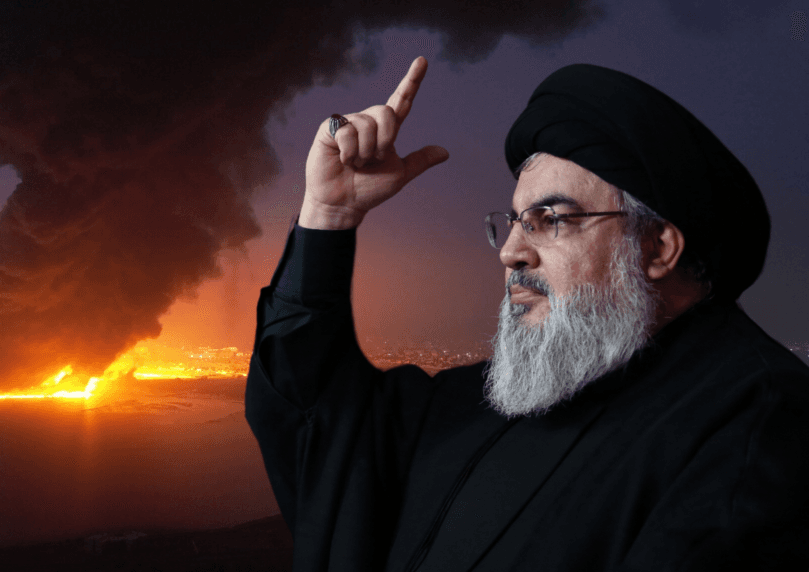

Exactly two years ago, at 6:26 p.m., the ground in Dahieh shook. Dozens of bombs weighing 80 tons were dropped on Hezbollah’s headquarters. The bunker collapsed, and inside, Hassan Nasrallah died—the jihadist who led the terror group for decades, dictated Lebanon’s agenda, influenced the regional order, and became a revered figure among Shiites in Lebanon and beyond. Lebanon is marking the anniversary with mass ceremonies across the country, with the main event beginning today at noon in Beirut. A major ceremony was already held yesterday at the site where Nasrallah was killed.

 1+
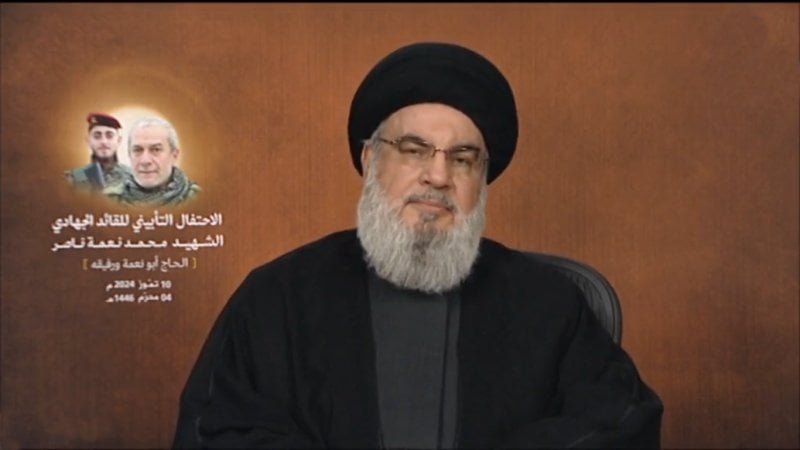
1+Nasrallah’s killing marked the beginning of Hezbollah’s decline. His successor, Naim Qassem—a colorless figure lacking charisma—has failed to fill his shoes. Since the assassination, unprecedented criticism of Hezbollah has emerged in Lebanese discourse. Israel controls much of southern Lebanon, and Nasrallah’s promises have proven false—he failed to stop the IDF.
We spoke with M., a Lebanese citizen opposed to Hezbollah whose name is being withheld. M. addressed Nasrallah’s famous 2000 speech in which he declared Israel was “weaker than a spider’s web”: “That statement collapsed. What turned out to be weaker than a spider’s web was the big bubble called ‘Hezbollah’ that exploded and disappeared.”
 1+
1+Mohammad Mahdi, one of Nasrallah’s sons, shared this week how Nasrallah said goodbye to his wife about six months before he was killed: “Mom asked him if we would see him again. His honor answered her at that moment, no. Here we are parting. It was clear to him that he would fall as a martyr.”
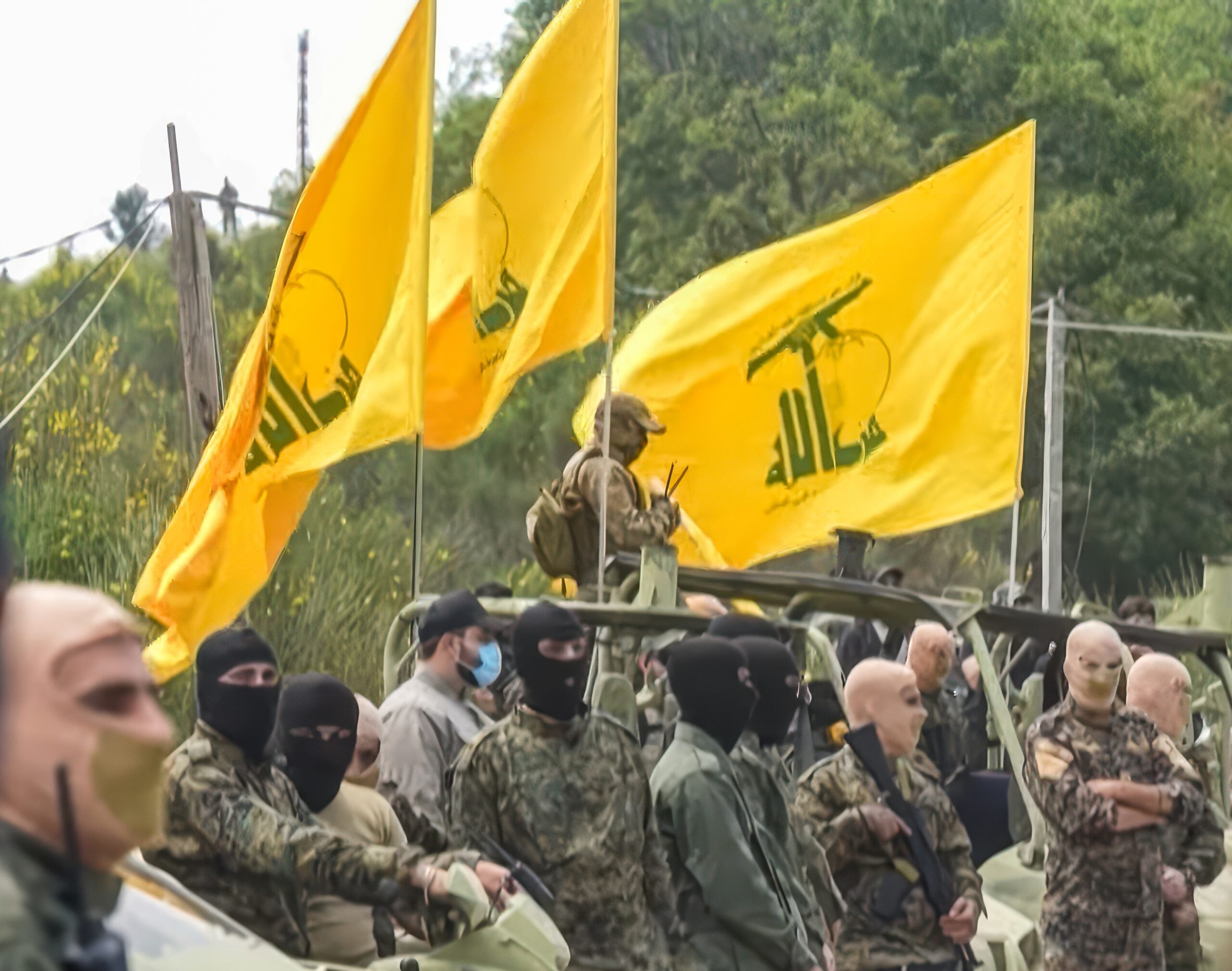
Hezbollah is still in the field and still trying to recover, but since Nasrallah’s death, it has been dealing with an enormous void that it still hasn’t managed to fill. And Lebanon is already a different country without him.