


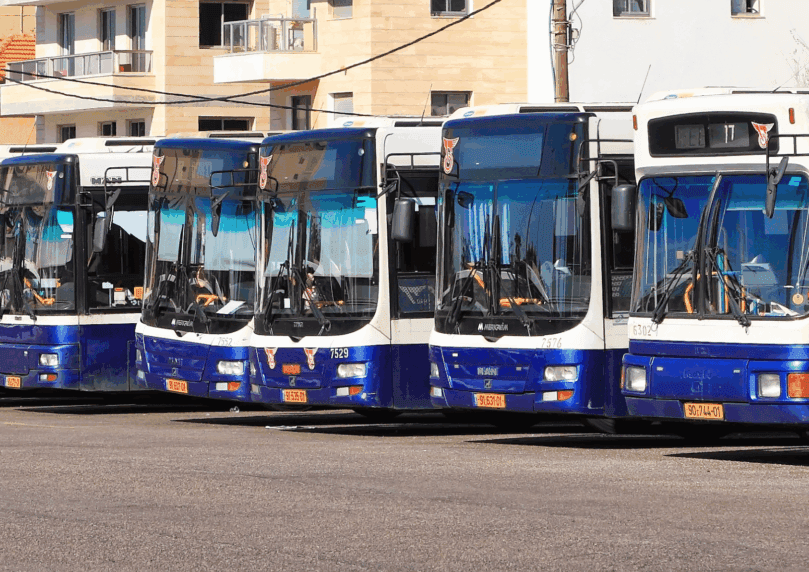

Public transportation is still struggling to become the default choice for Israelis. Data from the Central Bureau of Statistics’ 2025 Social Survey shows that half of Israelis aged 20 and over didn’t ride a bus at all during the 12 months before the interview. Even among those who did use buses, satisfaction isn’t high across all metrics—particularly when it comes to route frequency and the ability to reach destinations in reasonable time.

 2+
2+In total, 50% of those aged 20 and over—about 3.2 million people—rode public buses during the year before the survey. The share of women who used buses was slightly higher at 53%, compared to 47% among men. The age group with the highest usage was 20–24-year-olds, with 73% having ridden a bus during the 12 months before the interview.
But compared to the Social Survey data from a decade ago, the trend is actually reversed. In 2015, 57% of those aged 20 and over reported riding a bus, compared to just 50% in 2025. Frequency of use also declined, meaning buses are struggling to serve as regular transportation for a large portion of the public—not just a one-off solution for trips.
15% of those aged 20 and over ride buses daily or almost daily, 13% ride once or twice a week, and 18% use them twice a month or less. Another 5% ride buses at irregular intervals. Alongside these figures, half the adult population didn’t use buses at all during the 12 months before the interview.
Only a Third Satisfied With Route Frequency
One of the most striking findings in the survey concerns intercity route frequency. Only 31% of those aged 20 and over are satisfied with the frequency of intercity bus routes in their town of residence. In major cities, significant gaps emerged: satisfaction rates ranged from 29% in Tel Aviv-Jaffa to 50% in Bnei Brak. Compared to the previous decade, satisfaction with route frequency also dropped.
The overall assessment of bus performance is also mixed. 52% of the public rate bus performance in Israel positively, giving it a “good” or “very good” score, compared to 31% who rate it negatively. Another 17% couldn’t assess bus performance. The Jerusalem and Haifa districts showed more positive assessments compared to other regions in Israel.
 2+
2+The Stop Is Close, But You Don’t Always Get There on Time
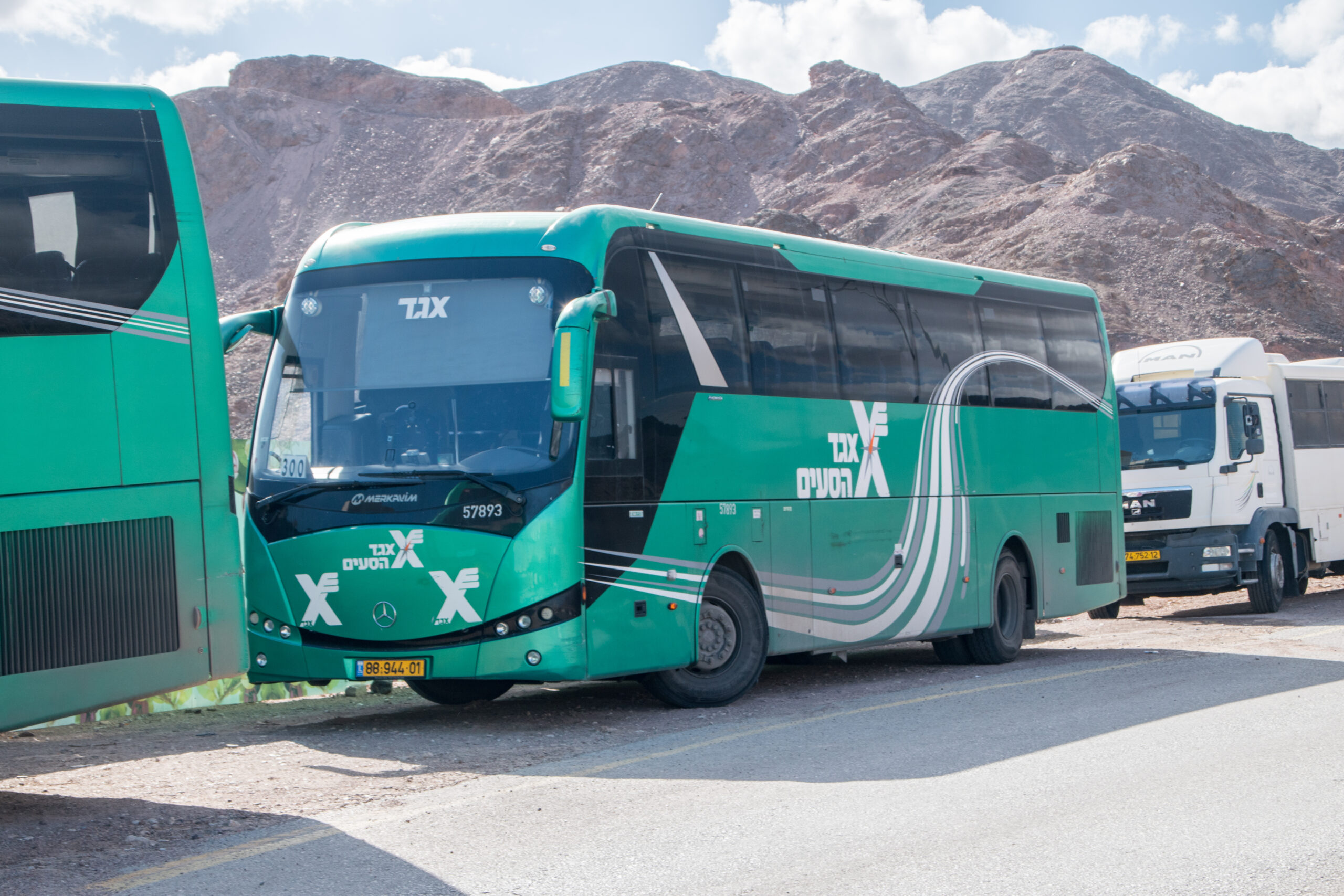
When looking only at those who used buses in the past year, a more positive picture emerges on some metrics. 82% of riders are satisfied with the proximity of the bus stop to their home, with the Tel Aviv district reaching 89%. In the Northern district, however, 75% are satisfied with stop proximity—the lowest rate measured among districts.
Regarding bus maintenance, most riders are satisfied. 71% of riders are satisfied with cleanliness, ventilation, and comfort on buses, though a quarter still aren’t satisfied. In major cities, satisfaction on this issue ranged from 64% in Ashdod to 76% in Rishon Lezion.
But when it comes to the question that directly affects daily life—how long it takes to reach your destination—the picture is less positive. Only 56% of riders agreed with the statement: “Usually, I can reach my destination from my place of residence by public transportation in reasonable time.” This means nearly half of riders aren’t convinced that public transportation allows them to reach their destination within reasonable time.
 2+
2+On Trains, a Different Picture
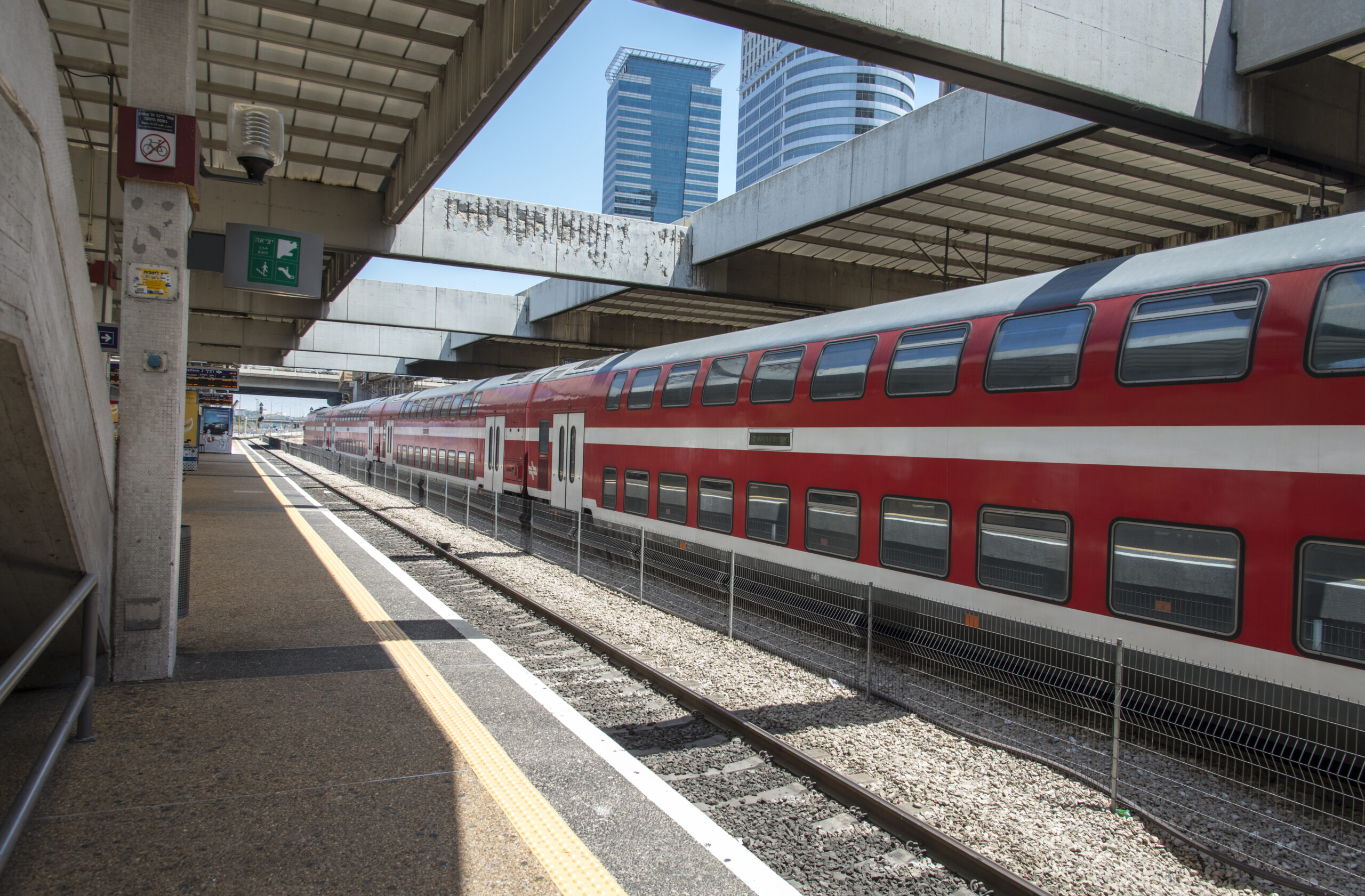
Israel Railways presents a markedly different picture. 44% of those aged 20 and over—about 2.8 million people—rode trains during the 12 months before the interview, at similar rates among women and men. When examining public assessment of trains, 66% of those aged 20 and over rate their performance positively.
The gap widens when looking only at those who actually used trains. Among Israel Railways riders in the past year, 86% rate its performance positively. This creates a picture where trains enjoy significantly higher trust, while buses still face criticism—mainly around route frequency and the ability to reach destinations in reasonable time.
Ultimately, the CBS data points to a significant gap between Israel’s two main public transportation modes. Buses still serve millions of Israelis, but usage rates have dropped over the past decade, and only about a third of the public is satisfied with intercity route frequency. Trains, by contrast, enjoy much higher positive assessment—especially among those who actually use them.