


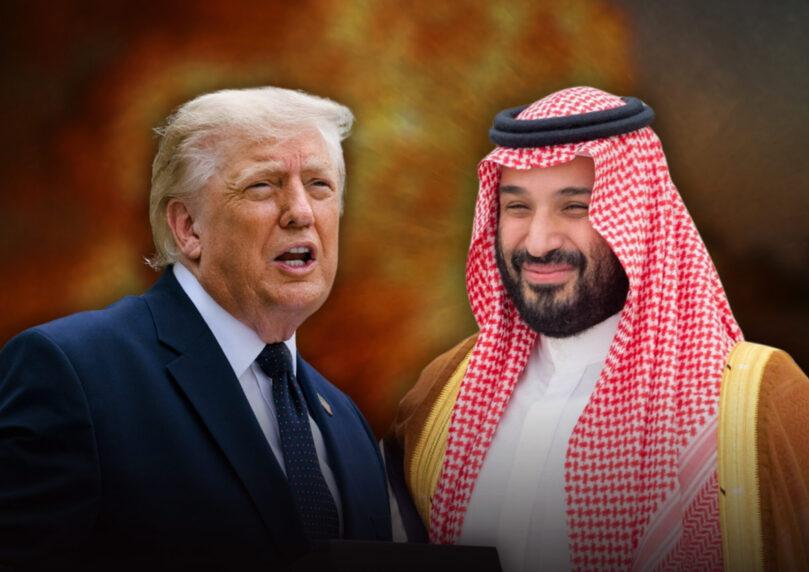

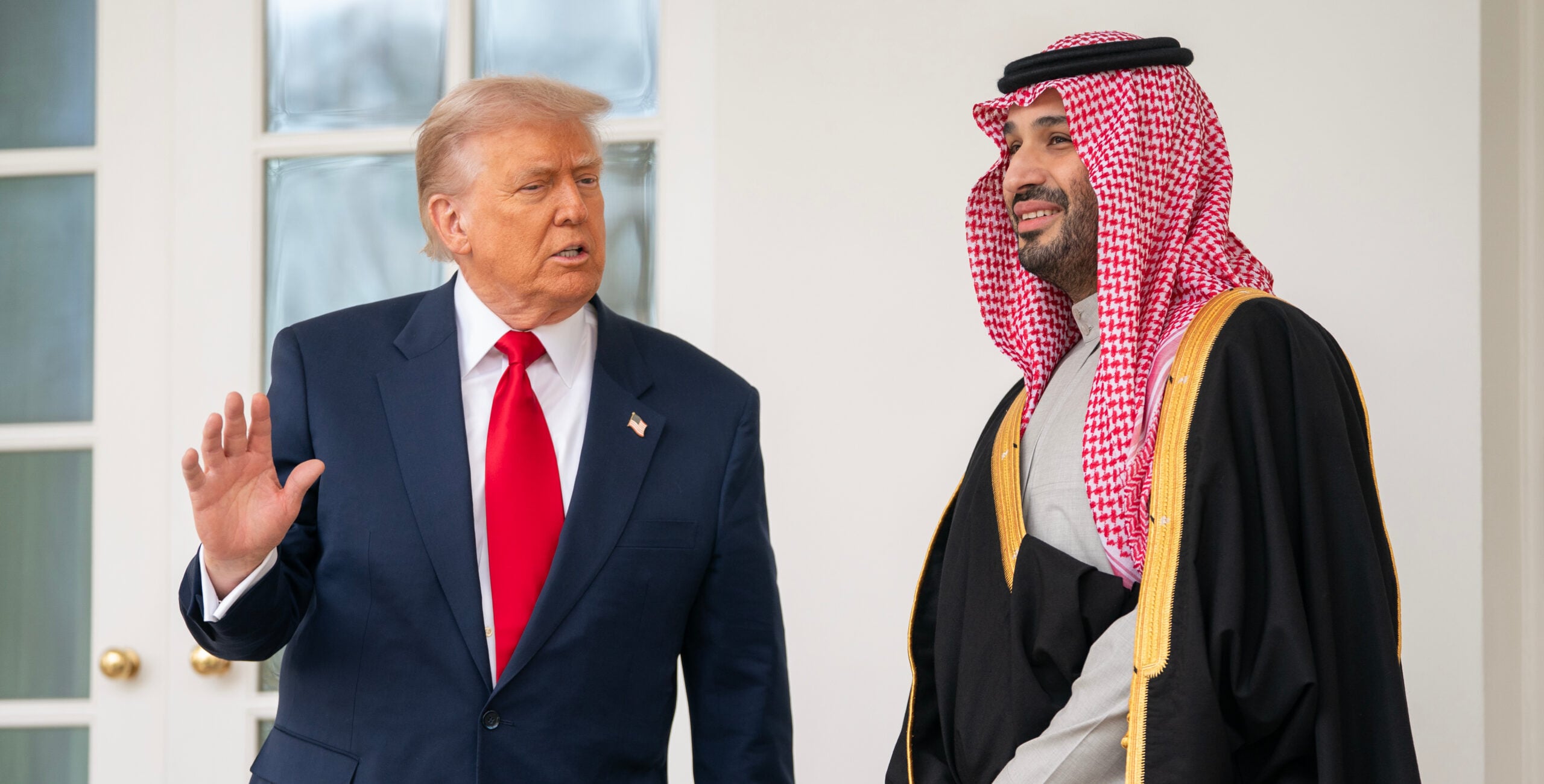
President Donald Trump made a dramatic move linking the nuclear future of the Middle East directly to expanding the Abraham Accords. Trump formally submitted to Congress the historic 30-year nuclear agreement signed with Saudi Arabia, but made clear the entire deal hinges on an unequivocal ultimatum: the Kingdom must normalize relations with Israel for the deal to go forward—according to a report published overnight Tuesday into Wednesday in The Wall Street Journal.


 2+
2+The president’s move is designed to force Riyadh to make a historic decision and return to the peace track by using unprecedented technological cooperation as a bargaining chip. The new agreement would grant American companies exclusivity and a central role in developing Saudi Arabia’s nuclear infrastructure, while blocking attempts by foreign powers like China and Russia to dominate this strategic market.
But the deal is sparking political and security uproar in Washington over a particularly controversial clause that allows potential uranium enrichment on Saudi soil. This marks a dramatic shift in American policy, as the United States has avoided for decades allowing Middle Eastern countries to possess such capabilities for fear of triggering a regional nuclear arms race. Under the plan’s details, both sides will conduct a two-year in-depth study examining the commercial viability of establishing an American enrichment facility in the Kingdom, under strict oversight ensuring that sensitive technology won’t be transferred to Saudi hands and the program will remain for peaceful purposes only.
 2+
2+The Saudis for their part view civilian nuclear power as a vital economic and energy need for the Kingdom’s continued growth. Riyadh wants to exploit uranium deposits found on its territory to supply local electricity and energy needs, thereby “freeing up” a large portion of its oil production for export abroad—a move expected to significantly increase its revenues. Despite the clear economic interest, the political condition Trump imposed has become the main obstacle to implementation.
Trump added the normalization requirement only after the nuclear agreement had already been formulated and signed, and he refuses to back down from it. An administration official confirmed that the president’s position remains unchanged: the nuclear agreement won’t advance without Saudi Arabia joining the Abraham Accords and establishing open relations with Israel. Now, with the agreement’s submission to Congress, months of intense debates among lawmakers are expected, but legally they’ll have a very hard time blocking the move.
 2+
2+To block the agreement, Congress would need a special two-thirds majority to override a potential presidential veto by Trump. While Saudi Arabia was close to normalization during the Biden administration, the process froze completely following Hamas’s October 7 massacre and the war in Gaza. Now, Trump is trying to use the nuclear agreement as a final pressure lever to bring the Kingdom back to the negotiating table with Israel, while ignoring criticism from oversight organizations warning that uranium enrichment on Saudi soil—even under American management—is a dangerous precedent that could change the security balance in the Middle East forever.