


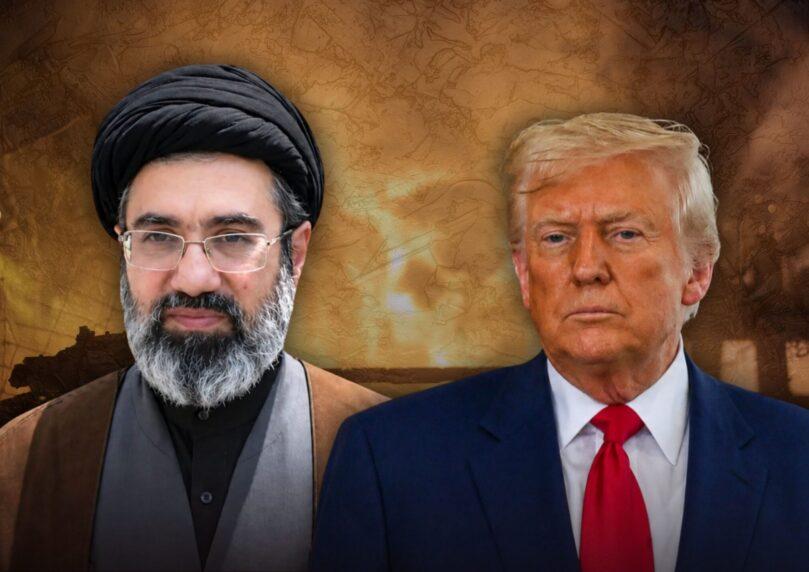

Tehran formally responded today (Tuesday) to a new American proposal delivered through Pakistani mediation, setting a series of tough conditions for resolving the standoff over the Strait of Hormuz, according to Iran’s Tasnim news agency, which is affiliated with the Revolutionary Guards.

 2+
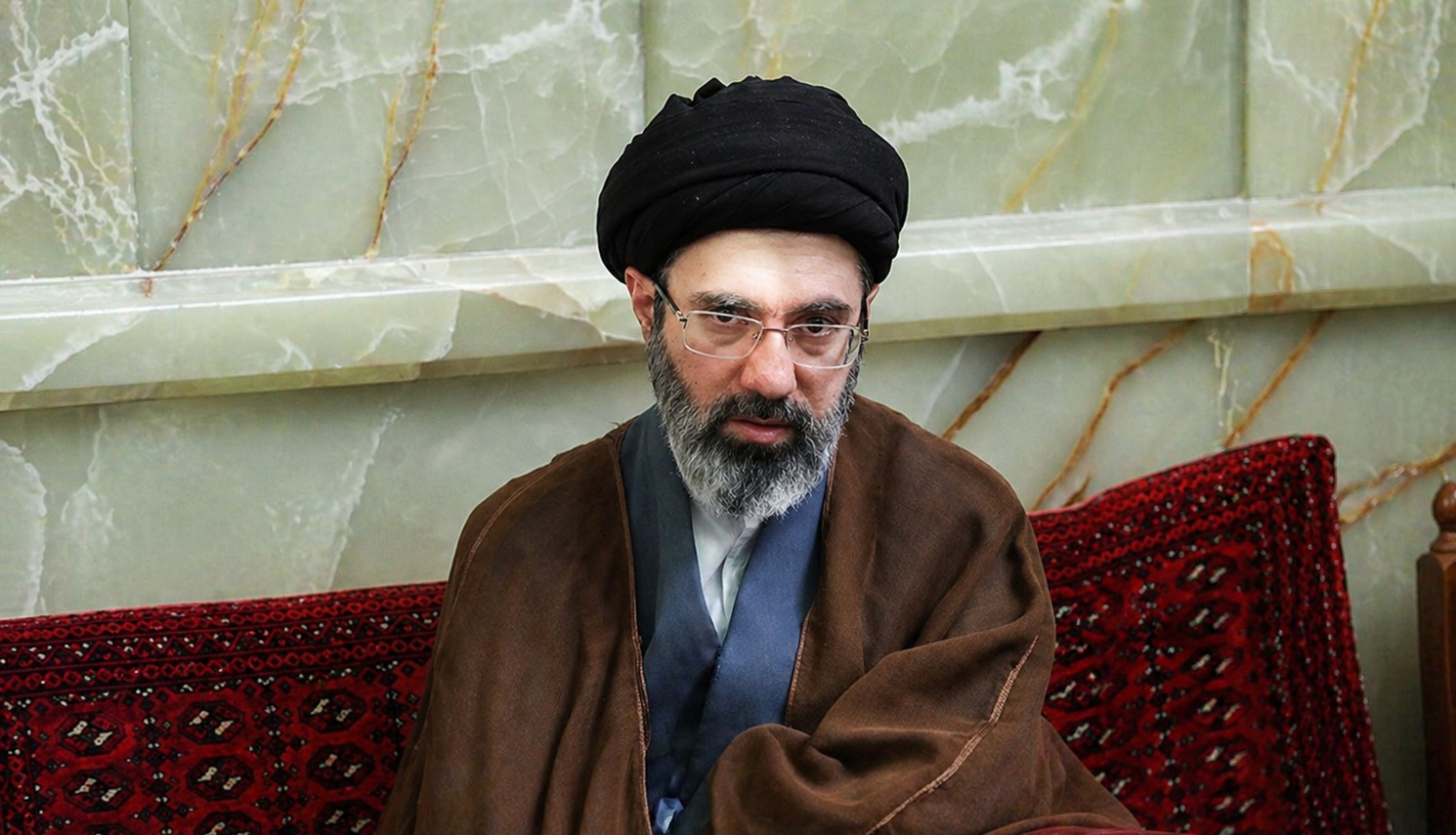
2+A source close to Iran’s negotiating team clarified that contrary to earlier claims, Pakistan’s army chief, Field Marshal Asim Munir, did not carry threats or warnings from the United States. Instead, the envoy worked to open space for fresh negotiations, serving as a channel to relay Tehran’s detailed demands to the American side. The central condition Iran set in response to the proposal is a full U.S. return to the memorandum of understanding known as the “Islamabad Agreement” and complete implementation of all its provisions, with special emphasis on Article 5, which deals with security arrangements and Iran’s maritime movement in the Strait of Hormuz.
 2+
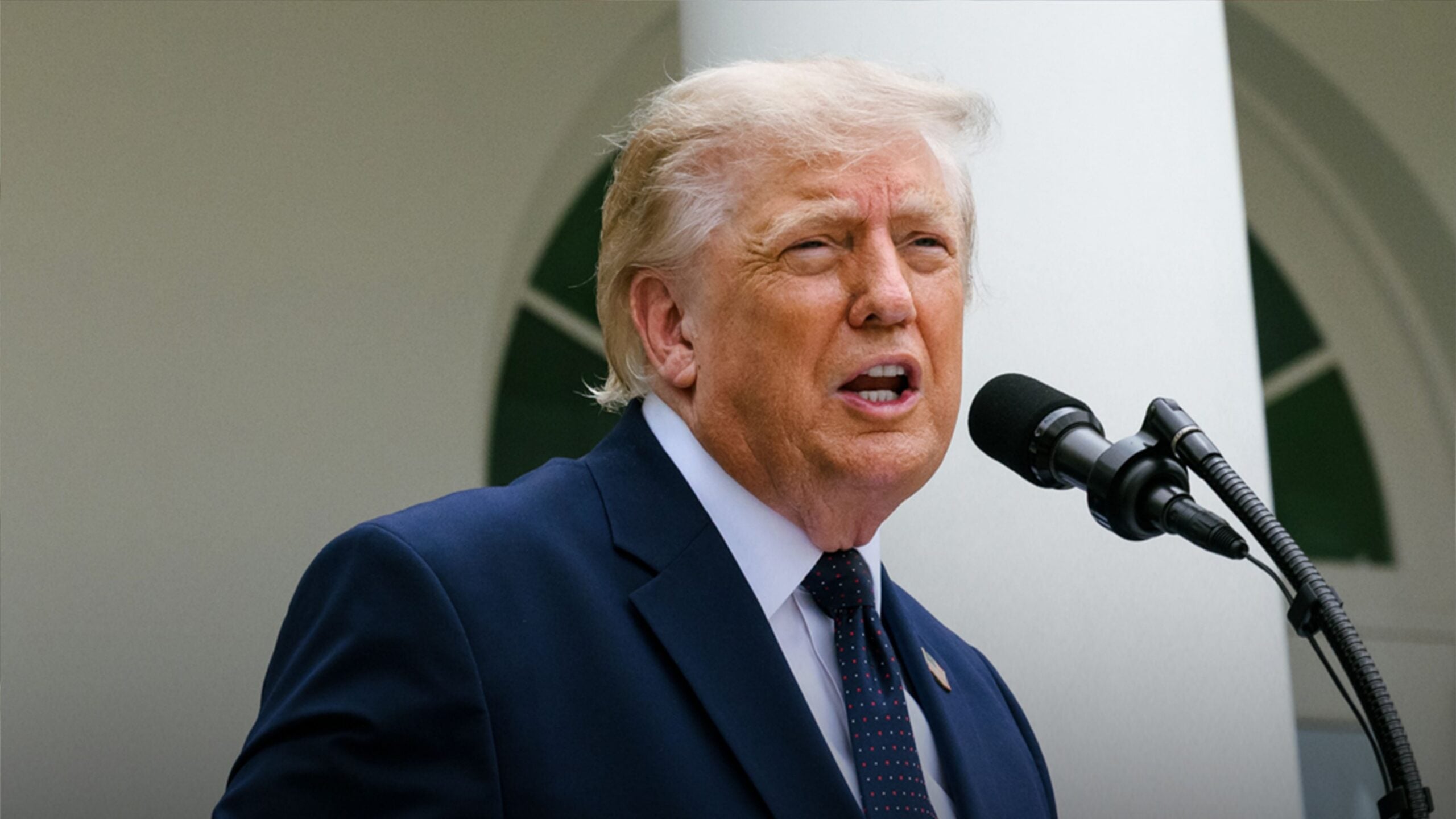
2+This development follows the dramatic visit of Pakistan’s army chief, Field Marshal Asim Munir, to Tehran last Sunday, where he served as the main intermediary between the Trump administration and Iranian leadership. According to earlier reports, the move was arranged after a phone call between Munir and President Donald Trump—alongside significant signals from Washington about wanting to bring stability to the region, including preparations to return diplomats to Middle Eastern embassies evacuated during the war.
While the United States proposed a framework including gradual removal of the naval blockade and sanctions relief in exchange for reopening the Strait of Hormuz, the Iranians are digging in and demanding full American commitment to previous agreements and a change in the White House’s “threatening behavior.”
 2+
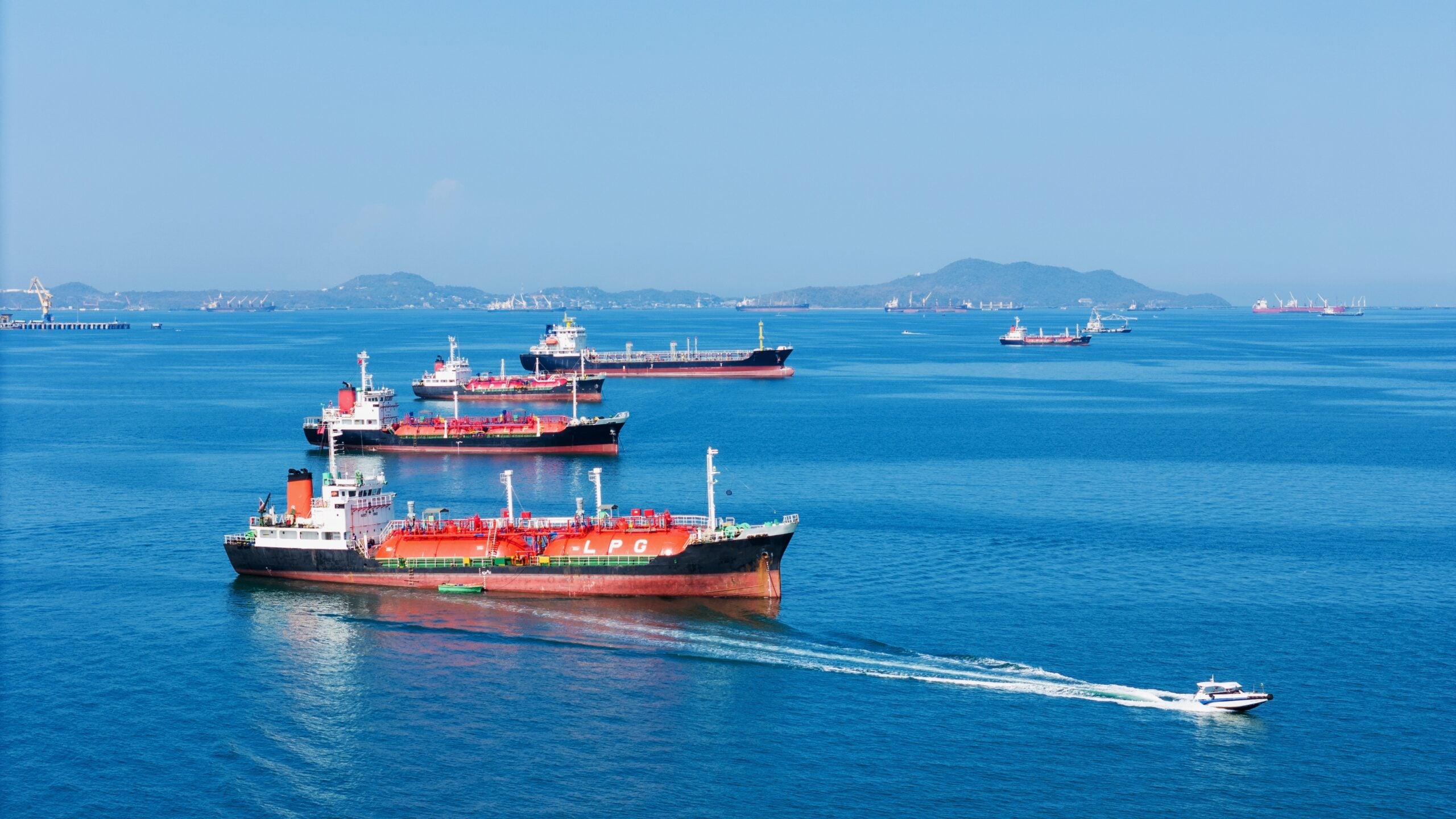
2+Diplomatic tensions are rising given that direct talks between the sides over extending the ceasefire have collapsed, leading Trump to threaten new economic sanctions alongside compromise proposals. Iran’s Supreme National Security Council Secretary, Mohsen Rezaei, warned that continued “economic warfare” will not go unanswered, making clear that global energy export security remains under threat as long as the blockade continues. Now, after Iran’s conditions have been clearly conveyed to the Pakistani mediator, all eyes are on Washington’s response and next week’s Shanghai summit in Kyrgyzstan, where a meeting between Iran’s president and Pakistan’s prime minister could determine whether the region is heading toward a deal that would reopen the world’s oil artery—or toward renewed explosion.