


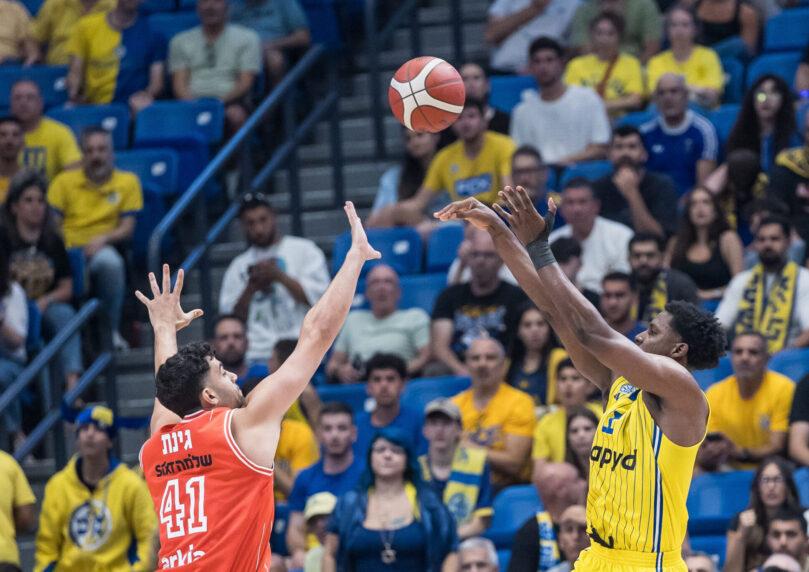

Israeli basketball fans are furious after EuroLeague management announced Monday the launch of a new Super Cup tournament in Dubai and Abu Dhabi, set to take place before the start of the season in September. Despite hundreds of Iranian missiles having been fired toward the UAE, European basketball officials decided that games can be held there, including a lucrative preseason tournament expected to generate significant revenue for those involved.
מישהו במכבי ת״א, שיושבת בדירקטוריון של היורוליג , יכול בבקשה להסביר איך מדינה שירו עליה 1700 טילים ב 2026 (ואין לה מרחב מוגן או זמן התראה של יותר מ2 דק) מארחת את הסופרקאפ של היורוליג, בעוד מדינה שירו עליה 650 טילים בערך (עם 10 דק התראה ומרחבים מוגנים) לא מארחת שום משחק? https://t.co/pVFY4hz327
— Arik Shtilman (@ashtilman) August 24, 2026
Meanwhile, fans in Israel are asking why games can be played in the Emirates while Israeli teams are still unable to host EuroLeague games at home—particularly when they argue that the security situation in Israel is comparable, if not better. Just last week, sirens sounded in the UAE following missile fire from Yemen.
One furious fan wrote online: “Today EuroLeague announced that basketball is returning to Dubai, which was being bombarded until a month ago—with another isolated siren last week—plus a new corrupt tournament, while Israel still can’t host.”He warned that unless Maccabi Tel Aviv and Hapoel Tel Aviv push back, Israeli teams could face yet another season away from home.
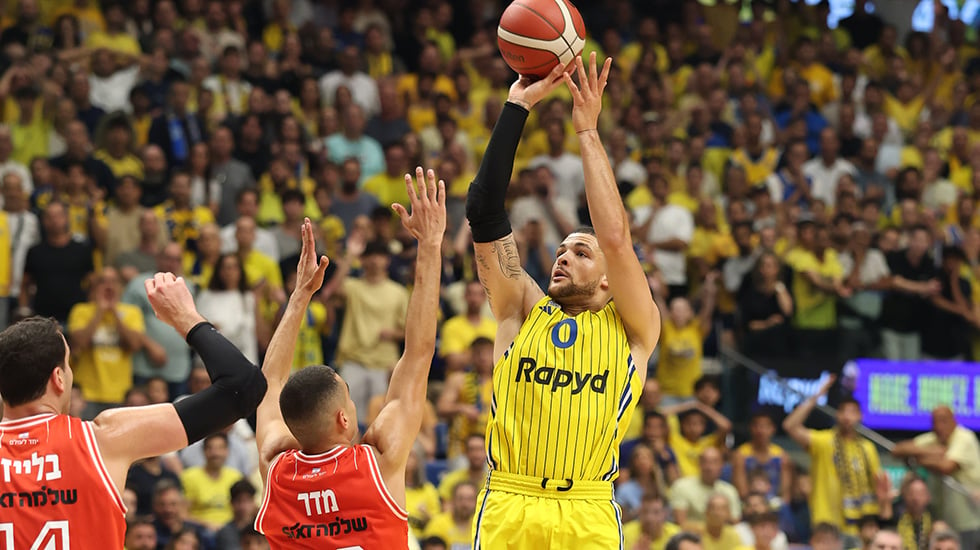 Photo: Courtesy of Maccabi Rapyd Tel Aviv
Arik Shtilman, who has been campaigning against Maccabi Tel Aviv’s management over ownership of the club, also blasted the decision and drew a stark comparison. “Can someone at Maccabi Tel Aviv, which sits on the EuroLeague board, please explain how a country that had 1,700 missiles fired at it in 2026—and has no protected spaces or more than two minutes of warning—hosts the EuroLeague Super Cup, while a country that had roughly 650 missiles fired at it—with 10 minutes’ warning and protected spaces—doesn’t host a single game?” he wrote.
Despite the mounting criticism, the Israeli clubs competing in the EuroLeague have so far declined to publicly challenge the decision. Maccabi Tel Aviv and Hapoel Tel Aviv told C14: “No comment.” Hapoel Jerusalem has not yet responded, and its response will be published when received.