


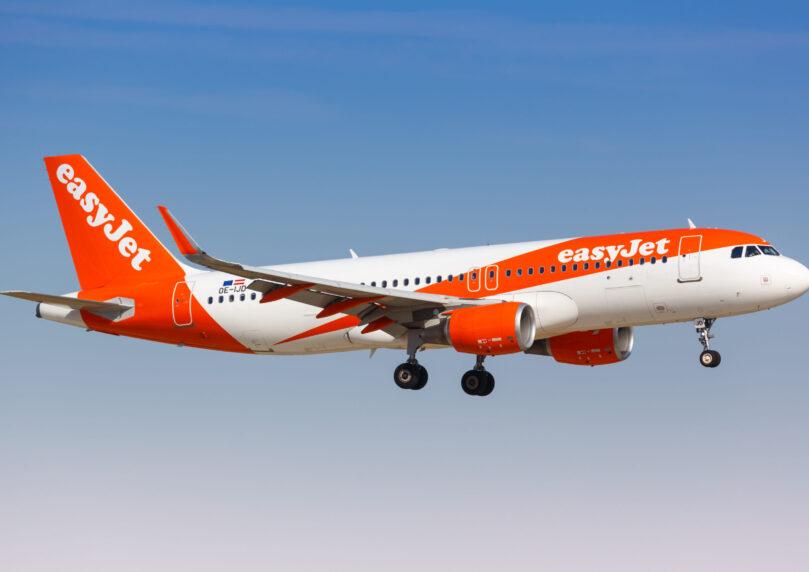

EasyJet, which had postponed its return to Israel from summer to fall, is now changing course again. The low-cost carrier announced it has no plans to resume operations in Israel until the security situation stabilizes. That means Israeli travelers will have to continue managing without one of the major low-cost airlines that operated here in recent years.
Competition on airfares is felt most acutely when flight supply shrinks. In recent years, the two major low-cost carriers operating routes to Israel were EasyJet and Ryanair. Ryanair stood out especially for its rock-bottom prices—in some cases offering flights for just €5—and captured a significant share of passenger traffic to and from Israel.
The absence of these carriers from the Israeli market since the war continues to impact competition levels. Even Wizz Air, considered one of the main low-cost players in Israel, now operates without some of the competition it previously faced from other carriers on the same routes. As a result, it only occasionally offers the deeply discounted fares we’d grown accustomed to from low-cost airlines.
Currently, Ryanair has no plans to return to Israel, partly due to political opposition to Israel. Meanwhile, EasyJet’s return keeps getting pushed further out. After the carrier postponed its return from summer to fall, it’s now making clear it has no intention of coming back at this stage until security conditions allow.
The absence of low-cost carriers reduces competition on airfares. When fewer airlines offer flights to the same destinations, travelers have fewer options to compare, and prices can rise. For Israelis, who’ve already dealt with a significant spike in airfares over the past year, fewer budget carriers in the market means fewer opportunities to fly at low prices.