



Kite terror has returned to haunt Israeli communities along the Gaza Envelope, but the real issue extends far beyond the airborne devices themselves. A consistent, unyielding equation governs all confrontations with our adversaries: in every arena where we project hesitation, paralysis, or weakness, we take a direct hit.


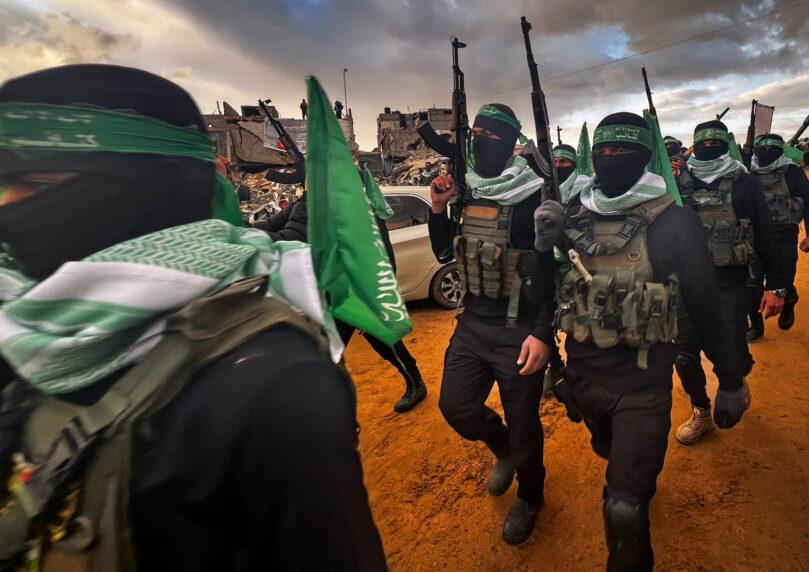
The primary question the Defense Minister and top IDF brass must confront is how Israeli policy has operated in the Gaza Strip over the past month. Public discourse has focused extensively on self-imposed constraints—restricting targeted strikes, limiting offensive fire, and tightening rules of engagement. From Hamas’s operational vantage point, the takeaway is unmistakable: Israel has slipped back into complacency. Once the terror group detects that signal, systematic harassment resumes. Today it manifests as incendiary kites, but security leaders cannot afford to dismiss this as merely another isolated nuisance. Intelligence warnings regarding Gaza remain acute. Defense officials must urgently treat these kites as a tactical smokescreen—designed to fixate Israeli attention on low-tech distractions while terror factions prepare far more severe operations.

Ultimately, the challenge is not simply neutralizing each incoming kite in midair, but changing what Hamas calculates from Israel’s posture. The moment the enemy perceives hesitation, they will ruthlessly exploit it.