


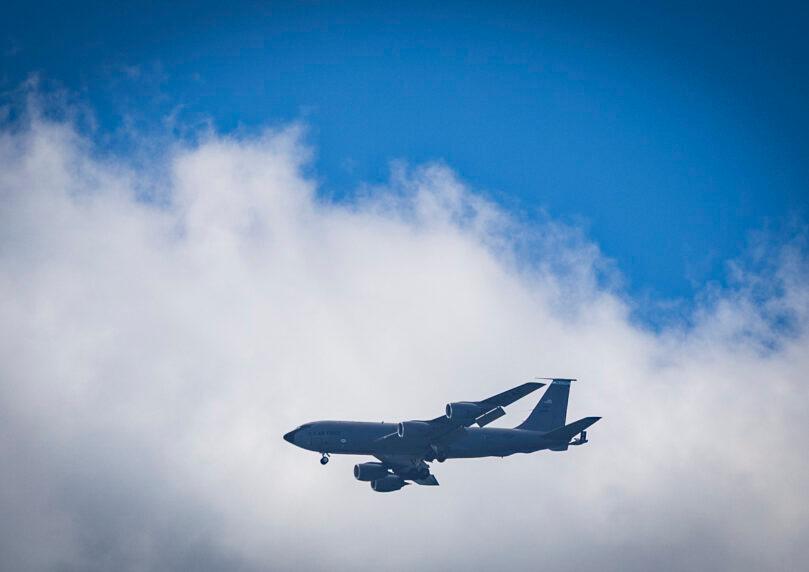

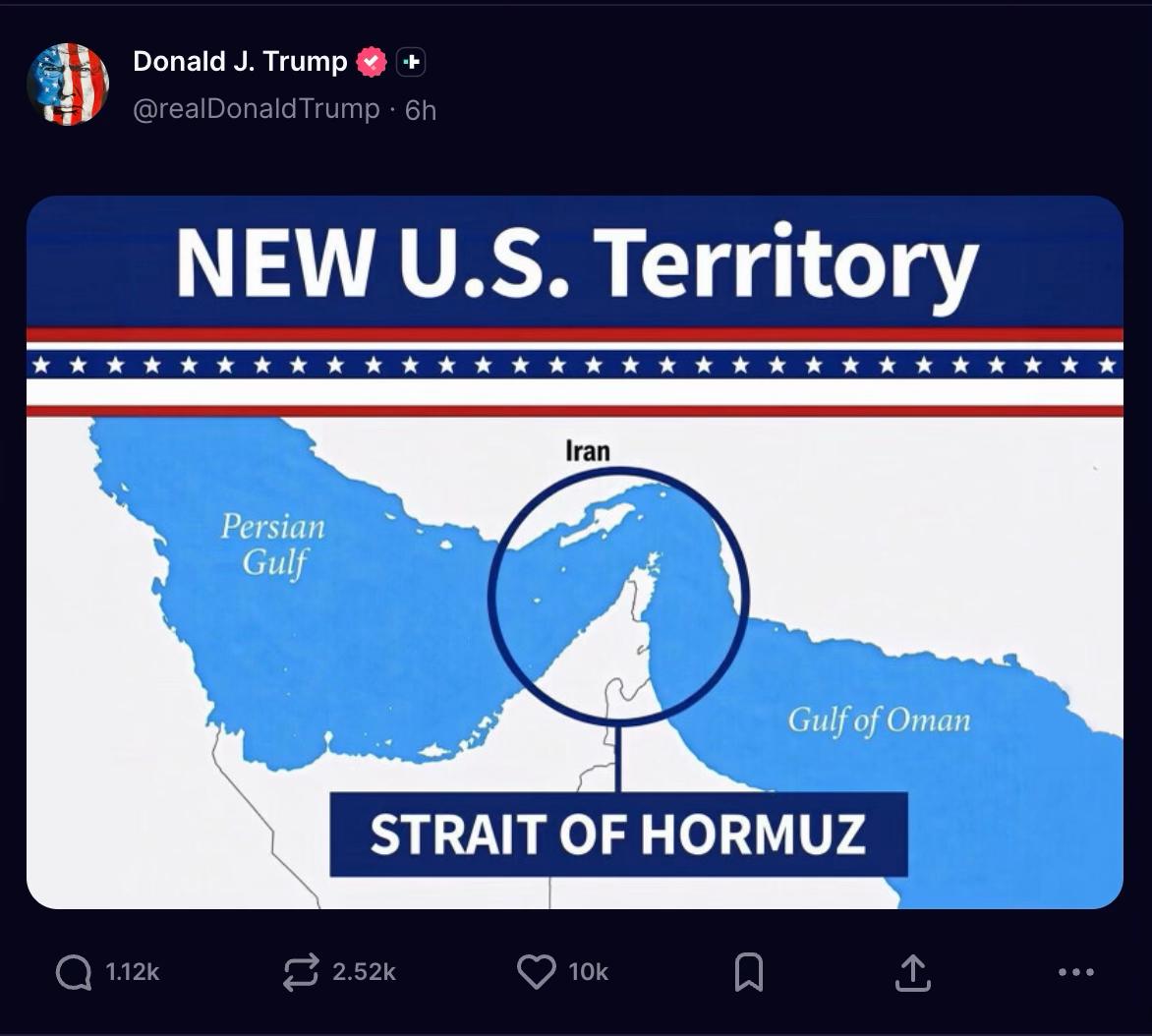
Bulgaria announced Saturday that two American refueling planes stationed on its territory have been moved to another location, days after reports that Iran is considering attacks on U.S. assets in southeastern Europe in the event of renewed escalation with the United States. Meanwhile, Tehran has escalated threats against countries that cooperate with the economic blockade led by the Trump administration, which overnight posted an image of the Strait of Hormuz and “declared” it American territory.

 2+
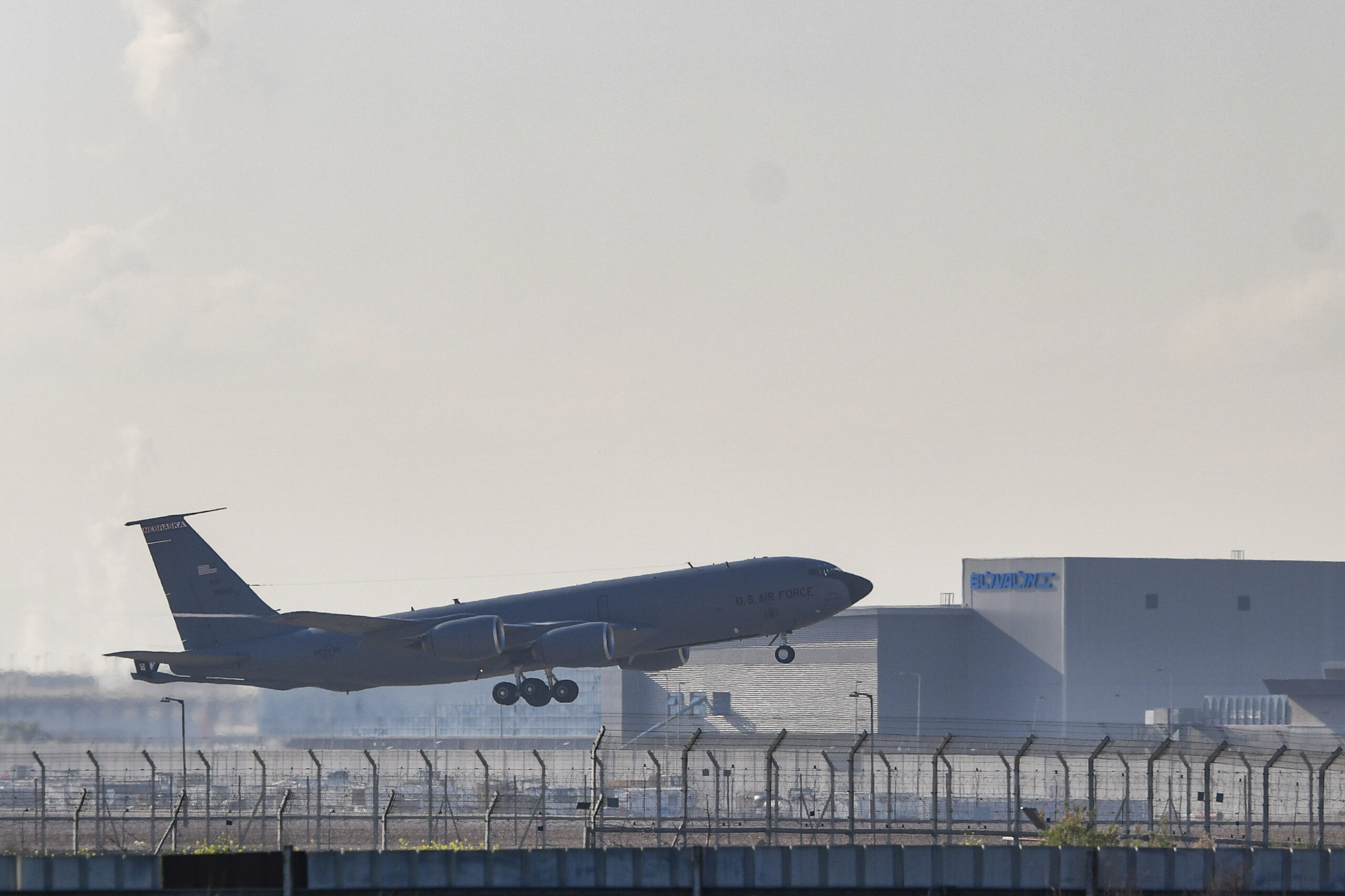
2+Bulgarian Defense Minister Dimitar Stoyanov announced that the two KC-135 refueling aircraft, which were stationed at Bezmer Air Base in the country’s southeast, left Bulgaria and were transferred to an undisclosed location. According to him, Sofia had no information about a direct threat to its national security, and the move was coordinated with the United States. The deployment of the planes in Bulgaria sparked outrage in Iran over the past month, which claimed that the presence of American military aircraft on the country’s territory made it complicit in “aggression.” Bulgaria rejected the claims and clarified that the planes were used only for training missions in allied airspace, not for strikes against Iran.
 2+
2+The Bulgarian announcement comes against the backdrop of a Financial Times report that Iran is considering attacking U.S. assets in southeastern Europe in case of renewed confrontation with Washington. The report cited Bulgaria and Cyprus as possible targets. Meanwhile, Iran continues to issue threatening messages amid the American plan to intensify economic pressure on the regime. Mohsen Rezaei, secretary of Iran’s Supreme National Security Council, warned that Tehran will strike the “interests” of countries that assist the United States as part of the economic blockade.
 2+
2+“Iran will not surrender even under American economic blockade,” Rezaei said. “If Trump takes new aggressive steps, we will respond forcefully. If neighboring countries cooperate with the Americans in the economic war, we will attack their interests.” The threat comes as the Trump administration is preparing, according to reports, to announce new economic measures against Iran, including the possibility of secondary sanctions against countries that continue to maintain trade relations with Tehran. The American goal is to deepen the economic isolation of the Islamic Republic, after heavy pressure has already been placed on its oil exports. Alongside the threats, senior Iranian regime officials continue to claim that the country has not been significantly damaged by recent attacks. Iranian Chief of Staff Ali Abdollahi appeared in footage from what was described on Iranian television as an underground facility for producing ballistic missiles, claiming that Iran is manufacturing weapons “of better quality and in greater quantity.”
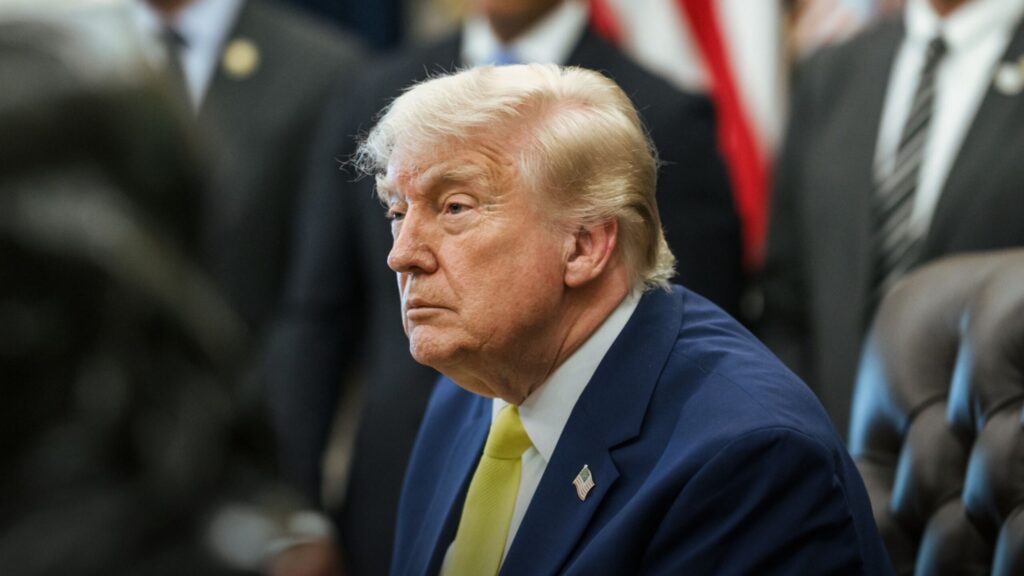
Meanwhile, Iranian President Masoud Pezeshkian called to end the war “when the world recognizes our victory,” but at the same time senior regime officials continue to present a tough line against the United States and its allies. In Washington, President Donald Trump addressed contacts with Iran and said that Tehran “very much wants to make a deal,” but according to him “they are not ready to make the right deal.” In doing so, he signaled that despite diplomatic efforts, the gaps between the sides are still far from closing.